

ILO and EU Launch Training Programme to Empower Youth on Sabah Oil Palm Plantations
Titled the “Training Partnership to Enhance Core Skills and Basic Entrepreneurship Skills of Young Workers on Oil Palm Plantations in Sabah," the programme targets youth aged 15–24.
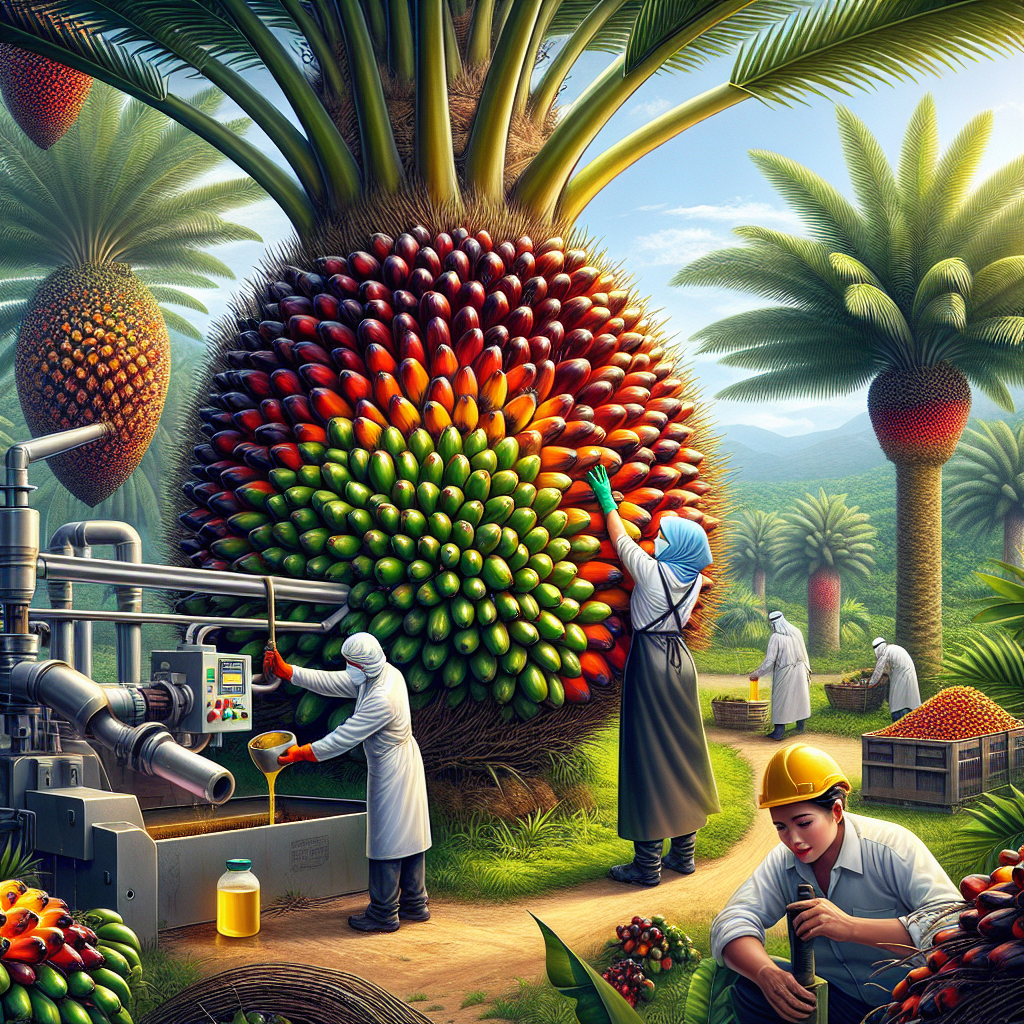
The International Labour Organization (ILO), in collaboration with the Sabah Skills & Technology Centre (SSTC) and supported by the European Union (EU), has introduced a transformative training programme aimed at improving education and skills for children and youth on oil palm plantations in Sabah. The initiative, launched in Tawau on December 10, 2024, seeks to address entrenched challenges in education access and workforce readiness among local and migrant communities.
Titled the "Training Partnership to Enhance Core Skills and Basic Entrepreneurship Skills of Young Workers on Oil Palm Plantations in Sabah," the programme targets youth aged 15–24. It provides training in core competencies, occupational health and safety, and entrepreneurship, alongside strengthening the capacity of Community Learning Centres (CLCs).
"This initiative aligns with the Sabah government's efforts to build a skilled workforce that can drive regional economic growth," said Datuk Hanafiah Kassim, Permanent Secretary of Sabah's Ministry of Science, Technology & Innovation, during the launch ceremony.
Key components of the programme include:
- Core Skills Development: Training modules designed to enhance participants' employability and productivity within and beyond the plantation sector.
- Entrepreneurship Training: Equipping youth with knowledge to explore self-employment opportunities.
- Occupational Health and Safety: Educating workers on safe practices to reduce workplace risks.
The initiative also emphasizes inclusivity, with a mandate that at least 50% of participants in training modules be female.
Promoting Gender Equality and Inclusivity
"Gender equality is a universal human right and a key priority for the EU," said Dr Audrey-Anne Rochelemagne, Cooperation Team Leader at the EU Delegation. "The programme's focus on female participation demonstrates a strong commitment to ensuring inclusivity in skills development."
By prioritizing female participation, the initiative seeks to break gender barriers, empower women, and contribute to economic growth in plantation communities.
Reducing Child Labour and Expanding Opportunities
Panudda Boonpala, ILO Deputy Regional Director for Asia and the Pacific, stressed the programme's role in addressing child labour. "We hope this programme will encourage plantation workers to enroll their children in Community Learning Centres supported by plantation companies and the Indonesian Consulate in Tawau. By raising awareness of opportunities beyond plantations, we aim to reduce the prevalence of child labour in the sector and promote a brighter future for the next generation."
Part of a Broader Initiative
The training programme is a core element of the broader initiative, "Promoting Socio-economic Inclusion Through Enhanced Access to Education for Children and Training Opportunities for Young Workers on Plantations in Sabah." Jointly implemented by the ILO and UNICEF and funded by the EU, the programme seeks to safeguard the rights of children and young workers while improving access to education and skills essential for their integration into society.
Additional elements of the broader initiative include:
- Community Engagement: Raising awareness among families about the importance of education and skills training.
- Enhanced Learning Infrastructure: Upgrading and expanding Community Learning Centres to serve more children effectively.
- Stakeholder Collaboration: Partnering with plantation companies and government agencies to ensure sustainable impact.
Significant Step Toward Economic Inclusion
The programme represents a major stride in addressing the challenges faced by children and youth in plantation communities. By equipping participants with education and skills, the initiative aims to empower them to thrive in a rapidly changing economy, reducing their dependency on plantation work and creating pathways to better livelihoods.
"This initiative underscores our shared commitment to building a more inclusive and equitable future for all," said Natalie Fung, Director of Sabah Skills & Technology Centre.
Key Takeaways:
- The training programme targets youth aged 15–24 on Sabah oil palm plantations, with a focus on core skills, entrepreneurship, and health and safety.
- Gender equality is a central value, with 50% female participation required in all training modules.
- The initiative aims to reduce child labour and enhance socio-economic opportunities for youth and their families.
- Supported by the EU, ILO, and UNICEF, the programme is part of broader efforts to promote education and skills development in Sabah's plantation communities.
By addressing systemic challenges and creating opportunities for growth, this programme sets the stage for long-term socio-economic inclusion and prosperity in Sabah.


 Google News