

Germany's Political Puzzle: Coalition Talks and Economic Challenges
Germany's recent elections have resulted in the far-right AfD and the Left Party securing a third of parliamentary seats, challenging economic reforms. Political leaders face negotiations to form a conservative-led coalition while grappling with the contentious debt brake, defense spending, and economic pressures from international partners.
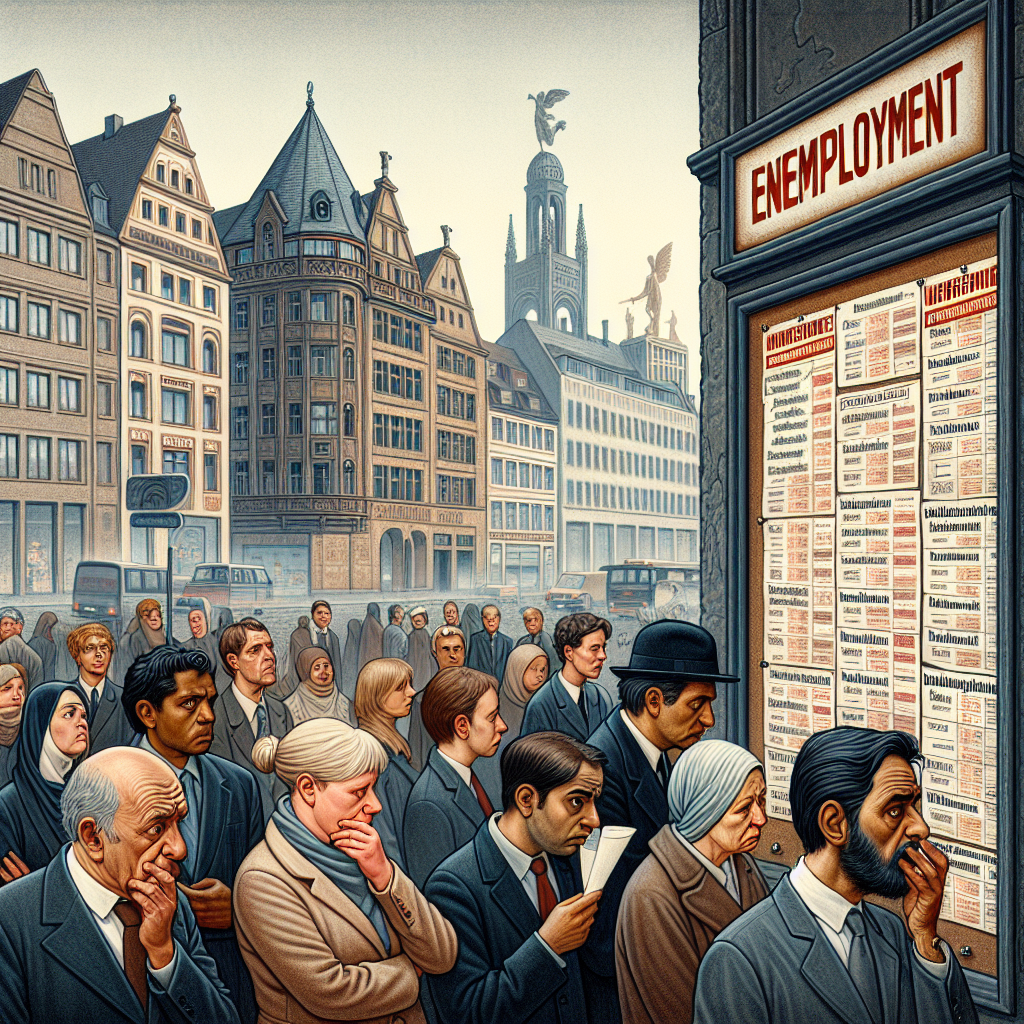
In Germany's political landscape, the recent elections have shifted power dynamics as the far-right Alternative for Germany (AfD) and the Left Party claimed a third of parliamentary seats. Their combined influence could thwart efforts to modify Germany's strict debt brake policy, a mechanism criticized for restricting economic growth.
The business sector eagerly awaits a swift formation of a new government, urging action to alleviate high costs and external competition. Investors are optimistic about a conservative-led coalition, yet wary of complex negotiations concerning economic policy and defense spending.
With the looming possibility of strained relations with NATO allies over military aid to Ukraine, political leaders, including likely next chancellor Friedrich Merz, are under pressure to build consensus. As negotiations progress, the future of Germany's fiscal policies and its economic standing in Europe hangs in the balance.
ALSO READ
-
AfDB and Germany Join Forces to Connect Africa Through Better Rail
-
Indian Unions Push for Fair Recruitment and Rights for Care Workers in Germany
-
Bangkok to Unite Development Banks With $23 Trillion for Sustainable Growth Push
-
AfDB and France Build €2.4 Billion Partnership for Jobs and Growth
-
Reclaiming National Pride: Klopp’s Call for 'Positive Patriotism'


 Google News