

Fed Faces High-Wire Act Amidst Tariff Tension and Economic Uncertainty
Business leaders are navigating a complex economic landscape as the U.S. Federal Reserve balances the risks of inflation and slowing growth. Surveys indicate cautious optimism, as tariff impacts and trade policy uncertainties complicate monetary decisions, leaving room for potential stagflation amidst current economic volatility.
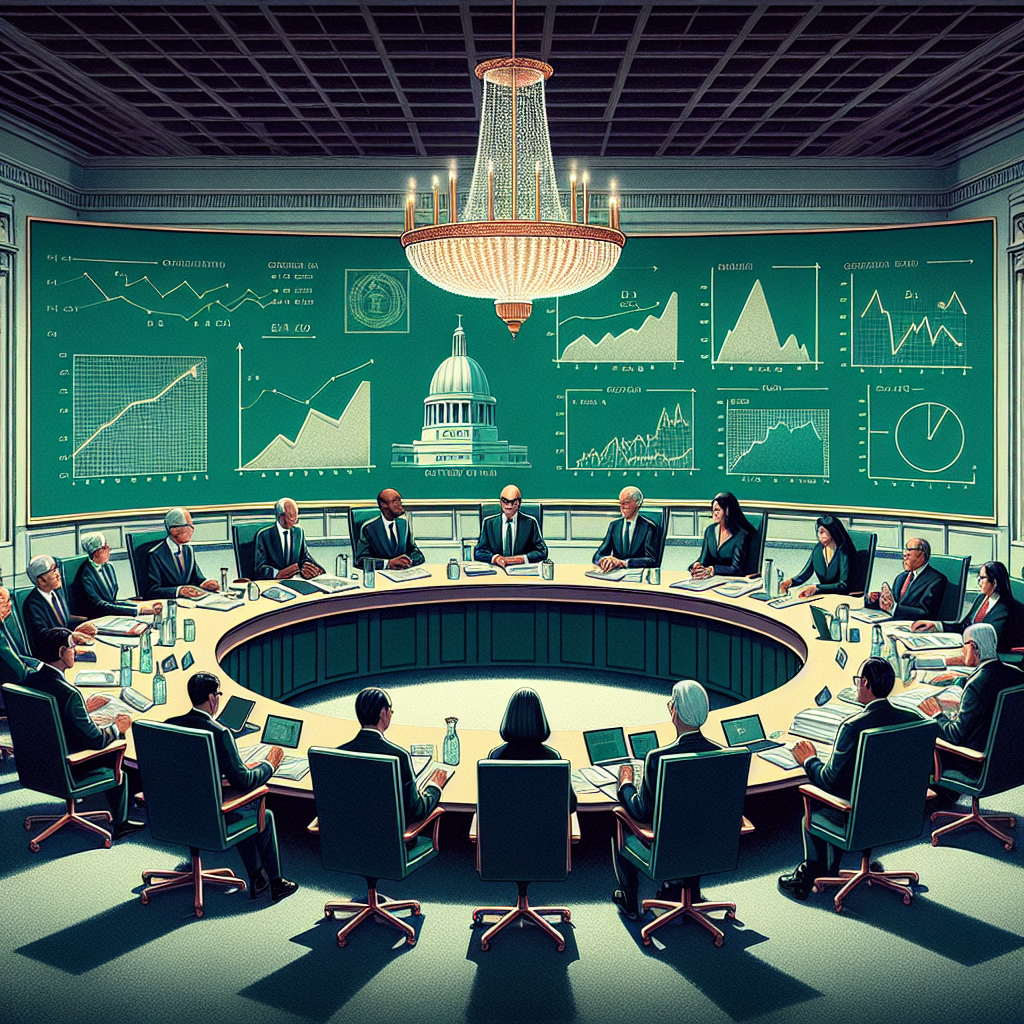
The U.S. Federal Reserve finds itself at a crossroads, deciding between the risks of inflation and economic stagnation as it contemplates future interest rate cuts. This dilemma emerges from a backdrop of global trade tensions and heightened economic uncertainty.
Recent surveys of chief financial officers and global executives reveal a pervasive expectation of prolonged tensions. They illustrate an environment where anticipated price increases coincide with weaker revenue projections, prompting a delicate balancing act for monetary policymakers amid President Trump's calls for swift rate reductions.
The ongoing tariff disputes have triggered significant supply chain disruptions, contributing to a complex economic outlook. Analysts express concerns of potential stagflation, with experts forecasting higher inflation and sluggish growth. Fed officials are paying close attention to the unfolding dynamics, as businesses remain cautious in their economic expectations.
ALSO READ
-
Seychelles Growth Set to Slow to 1% as Tourism Feels the Middle East Conflict’s Impact
-
ADB Approves $1.5 Billion to Protect Philippines From Conflict-Driven Price Hikes
-
Malawi’s Fragile Recovery Faces Jobs Test; Debt and State Firms Strain Economy
-
Asia’s Growth Slows to 5% as Energy Shocks and El Niño Put Regional Recovery at Risk
-
Asian Stocks Surge Amid Global Inflation Concerns


 Google News