

Never Get a Delayed iGaming Withdrawal Again (With Insider Tips)

Delayed withdrawals are the number one frustration for online Gaming players. What most don't realize is that in the majority of cases, those delays aren't the result of shady operators or malicious intent. Instead, they're triggered by avoidable missteps and system bottlenecks that catch out anyone who doesn't know the rules of the game.
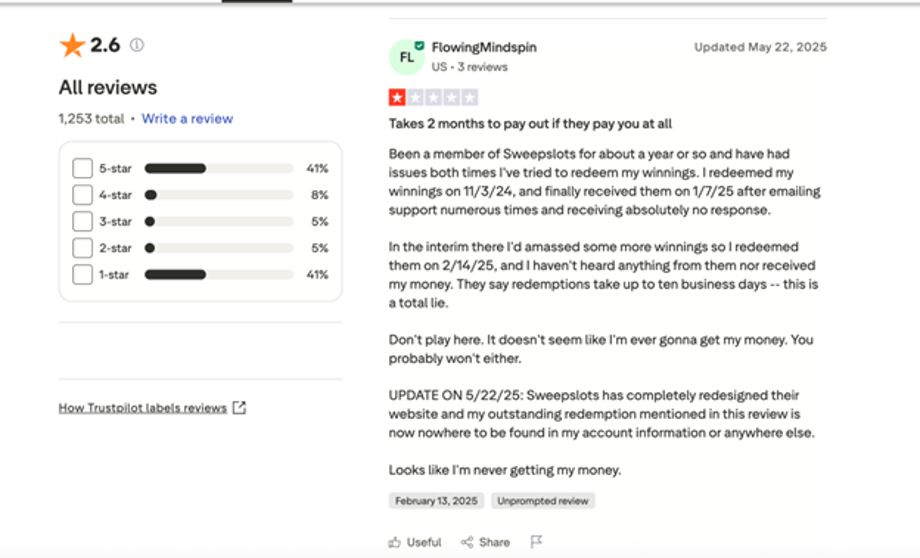
After speaking with industry insiders and reviewing hundreds of withdrawal disputes on Trustpilot and Reddit, one clear pattern emerges: players who understand how the system works almost never face delays. iGaming, for their part, actually want to pay players quickly. Slow payouts cost them money in customer service hours, damage their reputation, and can even attract unwanted attention from regulators. The sticking points are usually compliance checks, payment processor restrictions, and verification requirements—obstacles that well-prepared players can sidestep entirely.
Mark Taylor, an iGaming industry analyst with more than a decade of experience tracking payout trends, sums it up this way:
"Ninety percent of withdrawal delays stem from players not understanding how iGaming payment systems actually work. The operators who consistently deliver fast payouts aren't necessarily more generous—they've just built systems that guide players away from common delay triggers."
The Verification Trap: Front-Load Your Documentation
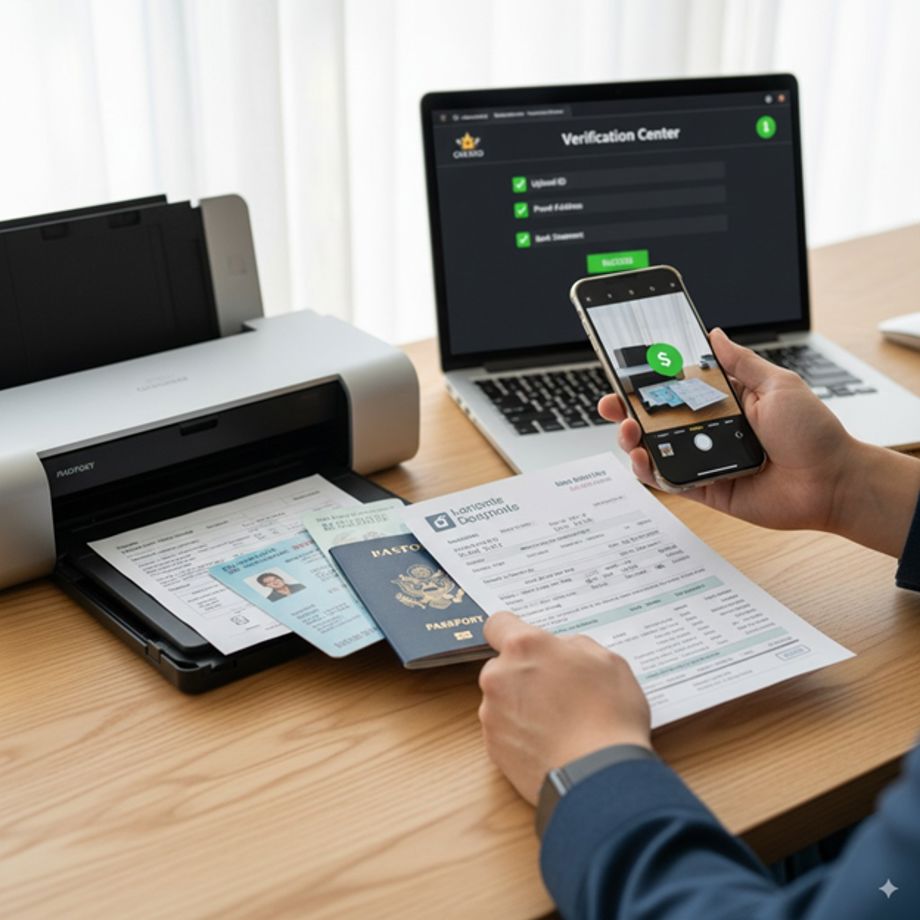
The single most common cause of withdrawal delays is incomplete verification. Many iGaming won't release winnings over $2,000–$5,000 until they've received proof of identity, but smart players don't wait until cash-out time to send their documents. They upload them as soon as they register.
Doing so removes the biggest bottleneck right away. Instead of a manual review holding up your payout, your account is already flagged as "verified," meaning your request can pass through automatically. The difference here can be measured not in days, but in weeks.
It's not just about sending documents—it's about how you send them. iGaming reject ID checks for surprisingly technical reasons:
- All four corners of a document must be visible.
- Shadows or glare will get a photo rejected.
- Bank statements need to show recent transactions (usually within 30 days).
- Utility bills must be photographs, not screenshots or PDFs.
As Taylor explains:
"Players submit blurry phone photos and wonder why verification takes a week. Meanwhile, players who send crisp scans with everything required get approved in 24 hours. It's not favoritism—it's just about meeting the standards."
Payment Method Matching: The Unwritten Rule
Here's a rule most players only learn the hard way: iGaming usually have to send your withdrawal back through the same method you used to deposit. This is an anti-money laundering safeguard, and breaking the pattern almost always triggers manual review.
That means if you deposit with a credit card but later try to cash out via bank transfer, expect a delay. The simplest fix is to decide your preferred withdrawal method before you make your very first deposit.
- Prefer instant e-wallet withdrawals? Deposit with that same e-wallet.
- Want your winnings sent by bank wire? Start with a bank transfer deposit.
Credit cards in particular cause problems because most can't accept payouts. Debit cards linked to checking accounts, on the other hand, work far more smoothly.
Timing Your Withdrawals: Business Hours Matter
Another overlooked detail: iGaming don't process payouts 24/7. Their finance teams work standard office hours—usually Monday through Friday, 9 a.m. to 6 p.m. in the iGaming's licensing jurisdiction. Submit a withdrawal on Friday night, and it probably won't even be looked at until Monday morning.
That's why timing matters. Players who request withdrawals mid-week, during business hours, often get their money days faster than those who hit the button on a weekend.
Also keep in mind: it's not your local timezone that counts. A iGaming licensed in Malta, for example, follows Malta's business hours. Knowing this in advance helps you avoid unnecessary waiting.
VIP Programs: The Express Lane
If you've ever wondered why some players get lightning-fast payouts while others wait, VIP programs are often the answer. High-tier loyalty members usually enjoy permanent verification status, higher limits, and direct lines to account managers—all of which streamline payouts.
You don't necessarily have to lose a fortune to get there. Many programs measure total wagering volume, not just losses. For consistent players, the VIP upgrade often pays for itself in faster withdrawals and fewer headaches.
Currency Selection: An Overlooked Speed Factor
Not all currencies move at the same pace. At multi-currency iGaming, withdrawals in USD or EUR usually clear faster because those currencies move through established, high-volume banking channels. Lesser-used currencies, or even some cryptocurrencies, can get stuck in manual processing despite flashy "instant payout" claims.
The fix is simple: if speed matters most, stick with major currencies from the start.
Withdrawal Limits: Stay Within the Lines
Every iGaming has withdrawal limits—daily, weekly, or monthly caps set to manage cash flow and meet reporting obligations. Going over those limits, even once, often triggers manual reviews that delay payouts.
A smarter move is to break large winnings into smaller chunks that fit comfortably under the automated thresholds. In practice, this often gets you your money faster overall than requesting a single lump sum.
Taylor points out that dedicated resources, like the instant withdrawals guide by CasinoWhizz, can be useful for comparing how different iGaming structure these limits.
The Payment Processor Variable
IGaming themselves aren't always the bottleneck—the payment networks they rely on can be.
- E-wallets like Skrill and Neteller: usually same-day processing.
- Traditional bank transfers: still take 3–5 business days.
- Cryptocurrencies: fast in theory, but often capped or manually reviewed.
Larger, established iGaming usually work with several processors at once, giving them a fallback if one has issues. Smaller or newer operators that depend on a single processor may leave every player stuck if that processor goes down.
Spotting Red Flags Before You Deposit
Some iGaming are simply more likely to delay payouts, no matter how careful you are. There are a few signs to look for:
- Bad reviews when you search for the iGaming online
- Customer service that gives vague, scripted answers when you ask about withdrawals
- Terms and conditions that are unclear or contradictory around payment policies
If any of those boxes are ticked, think twice before depositing.
The Bonus Trap: When "Free Money" Isn't Free
Bonuses are one of the most common ways players accidentally lock up their winnings. Wagering requirements can keep funds tied up for weeks, sometimes months.
Serious players often decline bonuses altogether, or stick to iGaming that separate bonus funds from cash deposits. That way, you can withdraw real winnings immediately without battling through rollover requirements.
And remember: not all games contribute equally. Slots usually count 100% toward clearing bonuses, while table games may only count 10–20%, but this differs from iGaming to iGaming, so make sure you do your homework on the terms.
Security Features That Can Backfire
Two-factor authentication, device checks, and IP monitoring are meant to protect you—but they can also slow down withdrawals if you're not prepared. Suddenly logging in from a new country or device might trigger a security hold.
The fix is consistency. Use the same devices and internet connections when possible, and configure your security settings before requesting a big payout.
Building Relationships with Operators
Even outside official VIP programs, long-time players often get smoother treatment simply because they're known. Consistent communication with support staff builds familiarity, and when something goes wrong, that familiarity can get your issue escalated more quickly.
Pro tip: keep records of your chats or email exchanges. Having a screenshot of what was promised can speed up problem resolution.
Technical Infrastructure: The Invisible Factor
Sometimes delays are nobody's fault. System maintenance, software updates, or unexpected glitches can temporarily freeze payments. These usually happen during off-peak hours—often late Sunday night or early Monday morning. Submitting a withdrawal during these windows increases the odds of getting stuck.
Cryptocurrencies: A Double-Edged Sword
Crypto withdrawals sound like the perfect solution—instant, decentralized, hassle-free. In practice, it depends on the operator. Some iGaming manually approve crypto payouts. Others use hot wallets for instant payments but with lower limits.
On top of that, network congestion plays a role. A Bitcoin transfer can be near-instant one day and take hours the next. Lighter-weight coins like Ethereum or Litecoin usually move faster.
Advanced Strategies for Guaranteed Speed
Experienced players take things one step further:
- Multi-iGaming strategy: Keeping accounts at several iGaming ensures options if one operator slows down.
- Withdrawal testing: Try cashing out small amounts before making big deposits.
- Regulatory calendar awareness: Be aware of public holidays in licensing countries, which can pause banking and regulatory processes.
The Bottom Line
Most withdrawal delays aren't random at all—they're predictable. The players who never run into problems aren't lucky; they're informed. They know to verify early, match their deposit and withdrawal methods, respect limits, and time their requests strategically.
As Taylor puts it:
"The players who never experience withdrawal delays aren't lucky—they're informed. They've taken time to understand how payment systems work and structured their play accordingly. It's not complicated, but it does require attention to details that most players ignore."
Treat withdrawal preparation with the same seriousness as game choice or bankroll management. Do that, and you'll rarely have to worry about your winnings being held up again.
(Disclaimer: Devdiscourse's journalists were not involved in the production of this article. The facts and opinions appearing in the article do not reflect the views of Devdiscourse and Devdiscourse does not claim any responsibility for the same.)


 Google News