

Inflation Surge Challenges Fed's Rate Cut Strategy
U.S. consumer prices saw a significant rise in August, driven by housing and food costs, while a surge in jobless claims supports the Federal Reserve's impending interest rate cut. The inflation hike, the steepest since January, stems partly from tariffs and poses a risk of stagflation concerns.
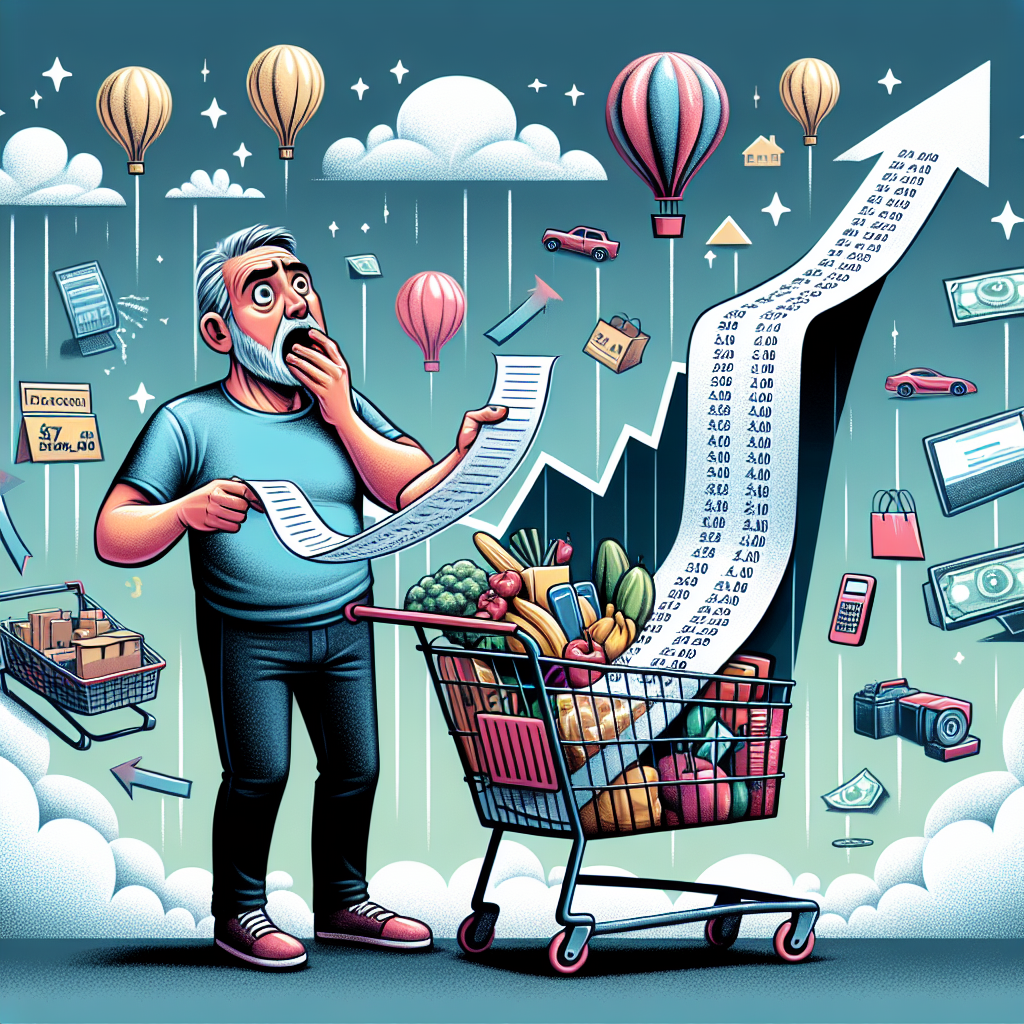
In August, U.S. consumer prices increased at the fastest rate in seven months, fueled by rising housing and food costs. This development coincides with a surge in initial unemployment applications, which is expected to prompt the Federal Reserve to lower interest rates at its upcoming meeting.
The Consumer Price Index (CPI) soared by a significant margin, marking the largest year-on-year inflation increase since January, according to the Department of Labor. This rise in inflation, alongside deteriorating labor market conditions, could stoke fears of stagflation—a potential dual scenario of stagnating economic growth and rising prices.
Economists attribute the inflation hike partly to President Trump's tariffs, which have led businesses to deplete their inventories, ultimately passing on higher costs to consumers. Despite the elevated CPI figures, Federal Reserve officials appear committed to their anticipated rate cut in response to prevailing economic challenges.


 Google News