

EIB Study: Expanding Europe’s Bio-Based Industries Key to Green Growth and Autonomy
The report argues that Europe’s strong research and development base, skilled workforce, and abundant renewable feedstock position it to become a global leader in sustainable bio-based industries.
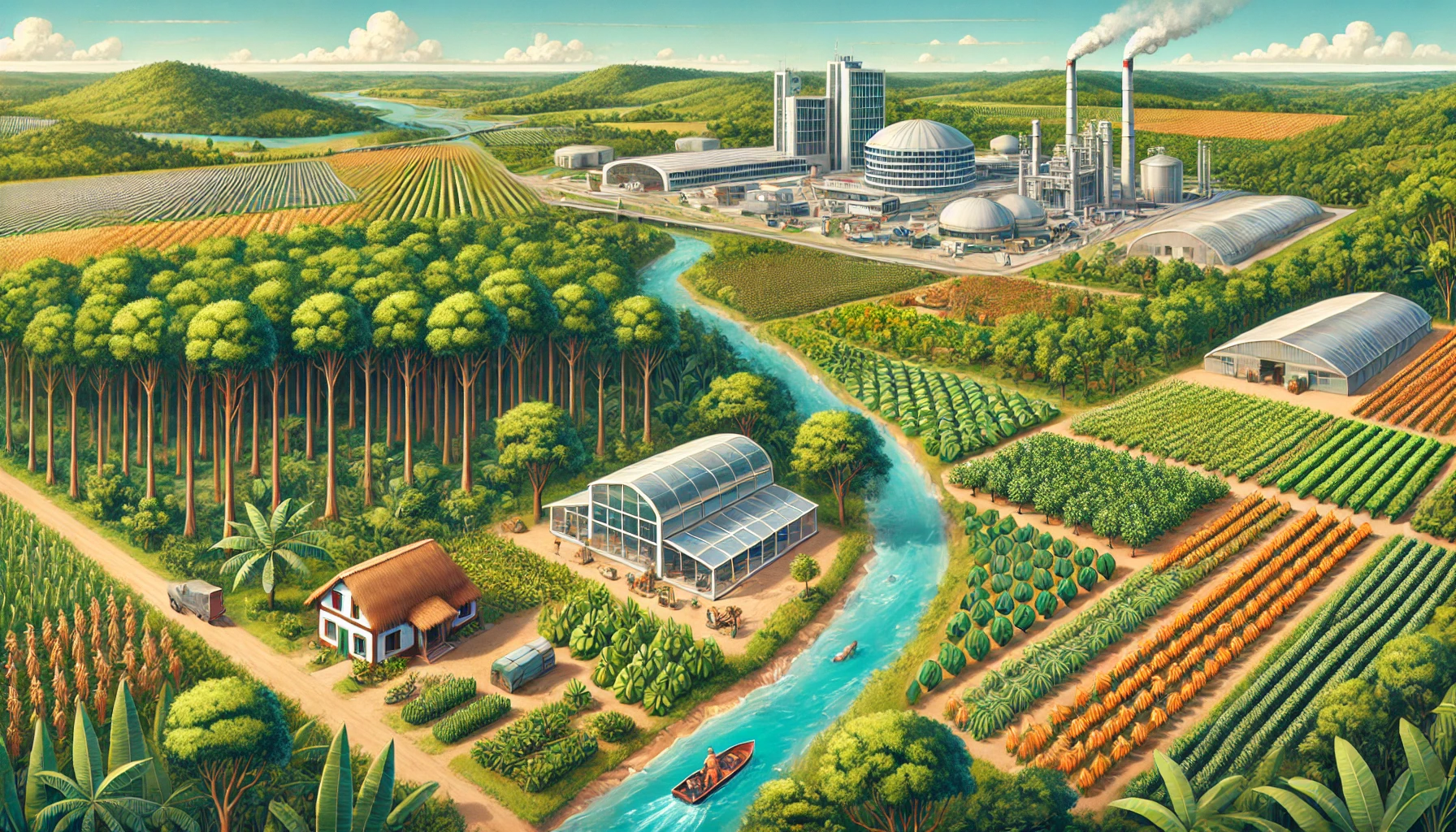
A new study released by the European Investment Bank (EIB) highlights how scaling up Europe's bio-based industries can strengthen the European Union's strategic autonomy, boost competitiveness, and accelerate the transition toward a climate-neutral economy. The findings underscore the need for innovative financing mechanisms and coordinated policies to unlock the full potential of the EU's bioeconomy — a sector that already sustains more than 17 million jobs and contributes roughly 8% of the EU workforce.
Commissioned and supported by the European Commission's Directorate-General for Research and Innovation, the study, titled Scaling Up the Bio-Based Industries in the European Union, explores the economic, environmental, and social opportunities of expanding industries that use renewable biological resources — from plants and marine biomass to waste materials — to produce food, materials, and energy sustainably.
Unlocking Growth in Three Strategic Sectors
The EIB report identifies three bio-based sectors with the greatest potential for innovation, investment, and job creation:
-
Bio-based materials and chemicals – sustainable alternatives to fossil-based plastics and industrial inputs.
-
Innovative food and feed ingredients – nutrient-rich, low-impact solutions to strengthen Europe's food security.
-
Bio-based soil nutrients and enhancers – nature-derived products that improve soil health, reduce fertilizer dependency, and enhance agricultural resilience.
According to the study, scaling these industries could help reduce Europe's reliance on imported fossil fuels and raw materials, while revitalizing rural and coastal economies through the creation of new green value chains.
A Strategic Opportunity for Europe's Green Transition
"The bioeconomy is key to the green transition," said Gelsomina Vigliotti, EIB Vice-President. "By harnessing biological resources to produce food, materials and energy, we can strengthen the EU's strategic autonomy while driving innovation and competitiveness. This report confirms that Europe has the assets to succeed. However, to scale up bio-based solutions, we need more innovative financial approaches and collaborative efforts that remove barriers and attract capital. The EIB stands ready to support this transformation."
The report argues that Europe's strong research and development base, skilled workforce, and abundant renewable feedstock position it to become a global leader in sustainable bio-based industries. However, regulatory bottlenecks, fragmented markets, and complex approval processes have constrained investment and slowed commercialization.
Financing Innovation: Closing the Investment Gap
To overcome these barriers, the study calls for enhanced access to finance — particularly for early-stage and scale-up projects — through venture debt, risk-sharing instruments, and public-private partnerships. The EIB proposes expanding its venture debt offering under the InvestEU guarantee and creating a European Bioeconomy Booster Programme to attract investors and reduce perceived risks associated with emerging technologies.
These recommendations build upon the findings of a complementary EIB report published in September 2025 titled Investment Gaps to Achieve Sustainable Targets in the Bioeconomy, which detailed the financing shortfalls and structural challenges preventing the bioeconomy from reaching its potential. Together, the two studies form a roadmap for aligning financial innovation with the EU's Green Deal and Circular Economy Action Plan.
From Innovation to Implementation
The EIB's research emphasizes that scaling bio-based industries requires coordinated action between EU institutions, national governments, and the private sector. Harmonizing standards and regulatory frameworks across member states would reduce fragmentation and create a level playing field for investors and innovators.
The report also recommends promoting regional bioeconomy clusters and industrial symbiosis — where waste or by-products from one sector become raw materials for another. Such models can enhance resource efficiency, cut emissions, and foster industrial collaboration across borders.
Moreover, the EIB highlights that the bioeconomy can play a pivotal role in revitalizing Europe's rural and coastal regions by generating new jobs in biorefineries, sustainable agriculture, forestry, and aquaculture. These developments could contribute to a just transition, ensuring that climate and industrial policies benefit all communities.
Supporting the EU's Climate and Competitiveness Goals
The report's findings align with the EIB's Climate Bank Roadmap (2021–2025) and the TechEU initiative, which focus on mobilizing private capital for sustainable technologies and ensuring that Europe remains competitive in the race for green innovation.
By scaling up bio-based industries, Europe could significantly reduce its dependency on imported fossil-based materials, mitigate carbon emissions, and enhance food and energy security — all while fostering high-value employment and inclusive growth.
Toward a Sustainable and Self-Reliant Bioeconomy
The EIB study concludes that the bioeconomy represents a cornerstone of the EU's vision for a resilient, resource-efficient, and circular economy. However, achieving this vision will depend on breaking down barriers to investment, ensuring regulatory consistency, and leveraging both public and private financing.
The upcoming EU Bioeconomy Strategy update — expected later this year — will likely incorporate many of the report's recommendations, paving the way for a new phase of investment in sustainable bio-based innovation.
As the global demand for renewable materials, sustainable food systems, and low-carbon technologies grows, Europe's bioeconomy stands at a defining moment. With the right mix of policy, innovation, and financing, it can become a driver of strategic autonomy, competitiveness, and climate resilience for decades to come.
ALSO READ
-
EIB and Intesa Sanpaolo Sign €300 Million Deal to Expand Affordable Housing in Italy
-
EIB Strengthens Workplace Protections and Changes How It Handles Staff Misconduct
-
Colombia Bets on Vaccine Manufacturing to Build Health Security and Cut Import Dependence
-
Colombia Gets €15 Million Boost to Build Vaccine Capacity and Cut Import Dependence
-
€300M Financing Deal Gives Czech and Slovak Businesses Room to Grow Greener


 Google News