

ADF Approves $22.9M Grant to Rehabilitate Malawi’s Vital Hydropower Plants
By restoring core energy assets, Malawi will be better equipped to attract new investment and build a resilient energy system capable of supporting long-term development.
- Country:
- Ivory Coast
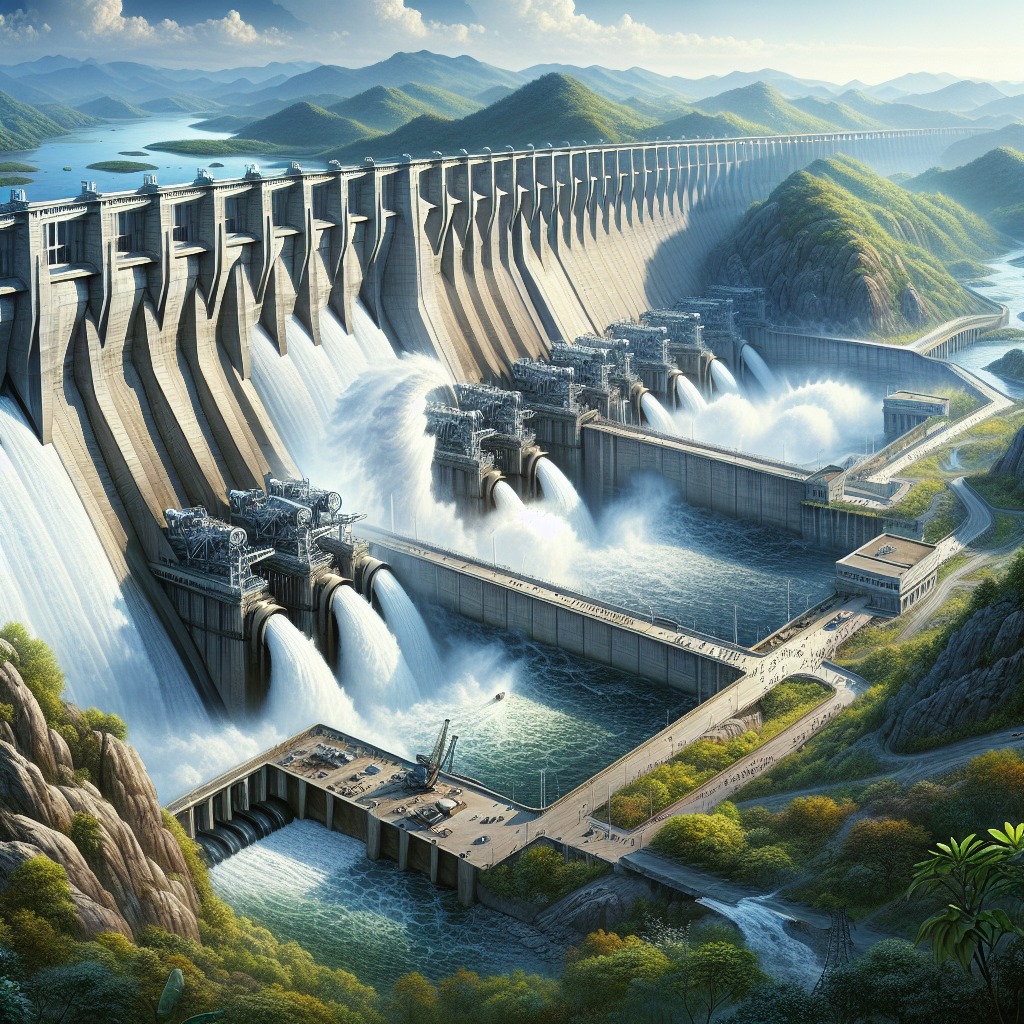
The African Development Fund (ADF), the concessional window of the African Development Bank Group, has approved a $22.9 million grant to rehabilitate Malawi's Kapichira and Nkula B hydropower plants—an essential investment that will strengthen the nation's energy security and accelerate progress toward its long-term development goals.
The funding forms part of a larger $118.7 million rehabilitation programme, expected to unlock co-financing from additional partners. Together, these upgrades will enhance Malawi's electricity generation capacity, restore resilience after climate-induced damage, and help meet the country's rising energy demand.
Reviving Malawi's Backbone of Hydropower Generation
Kapichira I (64 MW), located in Chikwawa District, and Nkula B (100 MW), the country's oldest major hydropower station built in 1966, currently supply half of Malawi's electricity. Both facilities are operating far below capacity due to aging equipment and severe cyclone damage—including the devastating impact of Tropical Storm Ana in 2022, which crippled Kapichira and reduced national generating capacity by 30%.
The rehabilitation programme will deliver:
-
A 55% increase in annual generation: From 916 GWh → 1,426 GWh
-
Extension of plant lifespan: From 22 years → 47 years
-
Improved operational performance: From 80% → 95%, drastically reducing forced outages
These upgrades will provide Malawi with more reliable, affordable, and climate-resilient electricity.
A Turning Point for Malawi's Energy Future
Macmillan Anyanwu, AfDB Country Manager for Malawi, emphasized the transformational potential of the investment:
"We are not just fixing infrastructure—we are unlocking economic potential, creating jobs, and bringing reliable electricity to communities long affected by chronic shortages."
Malawi's electricity access rate stands at only 25.9%, one of the lowest in Africa. Chronic power deficits continue to hamper industrial growth, limit investment, and affect essential services such as healthcare, education, and water supply.
Reliable hydropower will support:
-
Expansion of agriculture, mining, and manufacturing
-
Reduction of business costs associated with diesel generators
-
Improved public service delivery
-
Urbanization and economic diversification
-
Integration into regional power markets
Aligned With Vision 2063 and the Mission 300 Initiative
The rehabilitation supports:
-
Malawi Vision 2063 goals for industrialization and inclusive growth
-
The Malawi Energy Compact (2025), part of the Mission 300 initiative to provide electricity access to 300 million Africans by 2030
By restoring core energy assets, Malawi will be better equipped to attract new investment and build a resilient energy system capable of supporting long-term development.
Strengthening Regional Power Integration
From 2026 to 2030, the Electricity Generation Company (EGENCO) will serve as the executing agency. Once restored, the hydropower stations will help Malawi leverage several major regional opportunities:
-
Southern Africa Power Pool (SAPP) integration through the Mozambique–Malawi interconnector
-
Prospective links to the East Africa Power Pool via the Malawi–Tanzania transmission line
-
Synergies with upcoming national infrastructure upgrades (132 kV Eastern Backbone, 400 kV Western Backbone)
-
Improved capacity to absorb output from the 358 MW Mpatamanga hydropower project
These connections will position Malawi as an increasingly important player in regional energy trade.
A Climate-Resilient Investment With Long-Term Impact
Hydropower rehabilitation is central to Malawi's strategy for building climate-resilient, low-carbon infrastructure. Strengthening Kapichira and Nkula B will help safeguard the grid against future extreme weather events while reducing reliance on thermal backup generation.
This investment marks a major step toward a more stable, inclusive, and sustainable energy future for Malawi—empowering communities, enabling economic growth, and laying the foundation for regional integration.


 Google News