

Aucamp urges African leaders to embed climate resilience in planning and budgets
Aucamp underscored that the continent is on the frontline of the triple planetary crisis—climate change, biodiversity loss and pollution—yet it contributes the least to global emissions.
- Country:
- Ivory Coast
South Africa's Minister of Forestry, Fisheries and the Environment, Willie Aucamp, has urged African leaders to mainstream climate change adaptation and resilience into all national planning and budget frameworks, warning that the continent can no longer afford incremental action in the face of escalating climate threats.
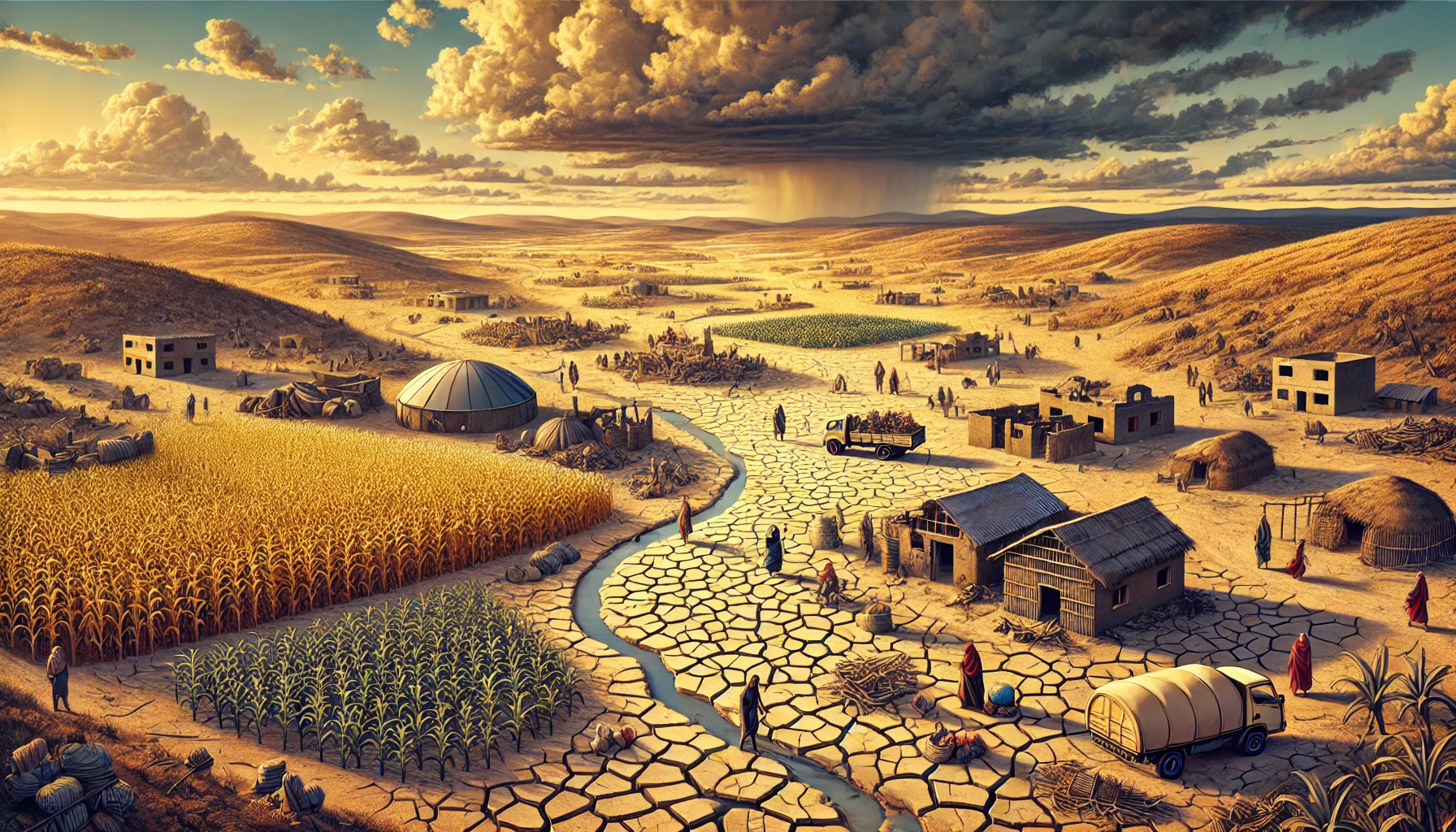
Speaking at the Ministerial Breakfast Meeting of African Ministers of Environment on the sidelines of the United Nations Environment Assembly (UNEA) in Nairobi, Kenya, Aucamp said Africa is already experiencing the harsh realities of climate instability, with severe weather events causing widespread social and economic losses.
"Droughts, floods, cyclones, sea level rise, and heat extremes already cost lives and livelihoods every year. Let us partner to build robust investment pipelines that convert plans into projects, and projects into resilience on the ground," he said.
Africa at the Epicentre of the Triple Planetary Crisis
Aucamp underscored that the continent is on the frontline of the triple planetary crisis—climate change, biodiversity loss and pollution—yet it contributes the least to global emissions. He called for a unified African voice anchored in solidarity, equality and sustainability, values that shaped recent African Union and G20 discussions.
He stressed that these values must now evolve into tangible, measurable action, especially in countries that face recurring climate shocks with limited financial buffers.
Just Energy Transition: A Development Imperative
The Minister highlighted that Africa's development trajectory hinges on a just energy transition that both reduces emissions and expands access to affordable energy for millions.
-
More than 600 million Africans lack electricity.
-
Nearly one billion rely on biomass such as firewood and charcoal for cooking.
Aucamp described energy poverty as both a climate and public health emergency, urging governments and financiers to accelerate investments in:
-
Solar and wind technologies
-
Mini-grid and off-grid power solutions
-
Clean cooking technologies
-
Regional power pools that enhance energy security
He emphasised that African countries are ready to scale these interventions, provided financing terms are fair, predictable and accessible, and that projects are implemented with meaningful community involvement.
Tackling Pollution Through a Circular Economy
Aucamp also called for addressing pollution and waste using a circular economy model, in alignment with the African Union's Continental Circular Economy Strategy. This approach, he said, will reduce environmental degradation, create green jobs and support industrialisation that does not compromise ecological integrity.
Time for Implementation, Not Talk
The Minister issued a clear call to action, saying Africa must now shift from declarations to delivery.
"The time for talking is long past, the time for action is now. Africa stands ready to lead with solutions that protect people and planet, strengthen economies, and deepen regional integration."
He urged African governments, development partners and private financiers to match ambition with implementation, ensuring commitments translate into credible, financed and implementable programmes that improve lives across the continent.
As climate impacts intensify, Aucamp's message reflects Africa's growing resolve to push for equitable climate finance, technological transfers and collaborative continental action.


 Google News