

Federal Reserve's Rate Cut: Balancing Risks and Perspectives
The U.S. Federal Reserve cut interest rates during its December meeting after extensive debate over economic risks. The decision was nearly evenly split, with concerns over inflation and job market stability. Moving forward, further cuts are unlikely unless inflation falls or unemployment rises more than expected.
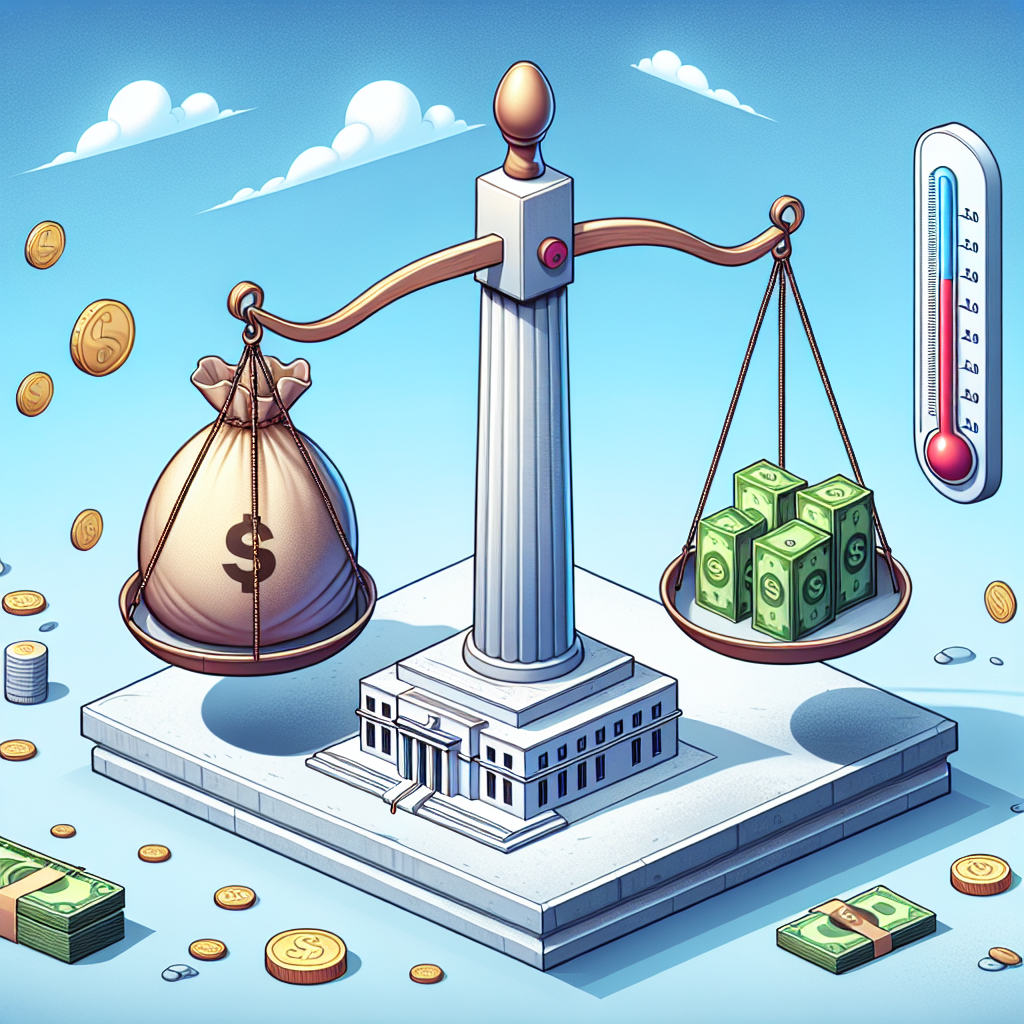
The Federal Reserve's December meeting witnessed a split decision to cut interest rates, following a complex debate about the U.S. economy's current risks. Despite widespread support for the cut, many officials admitted the decision was finely balanced, as per the meeting minutes released recently.
The economic projections that followed showed dissent among the Federal Open Market Committee members, with six officials opposing the cut while two of them dissented during the vote. However, a majority believed a cut was necessary to stabilize a slowing labor market.
The approved quarter-point rate cut reduced the Fed's benchmark interest to a range of 3.5% to 3.75%. Yet, with new projections implying limited cuts in the future, the Fed remains on hold until inflation trends or unemployment necessitate further action.


 Google News