

Volvo Cars' U.S. Strategy Unfolds Amid New Regulatory Landscape
Volvo Cars has received U.S. government approval to continue selling vehicles with Chinese 'connected technology.' New regulations under President Biden's administration restrict most Chinese vehicles and technology. Volvo plans to expand production in the U.S., particularly with hybrid models, to navigate the evolving market dynamics.
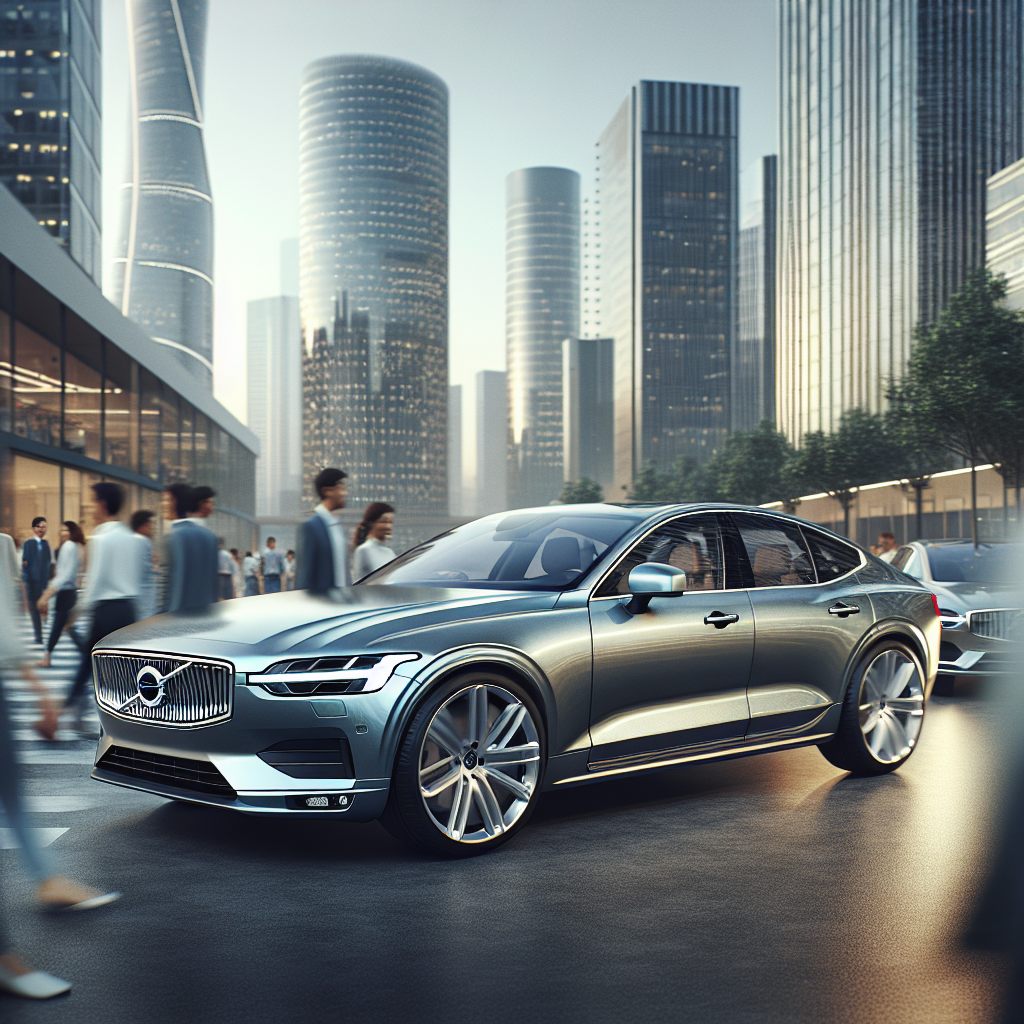
Volvo Cars, primarily owned by China's Geely Holding, announced on Tuesday that it secured U.S. government approval to continue selling vehicles equipped with Chinese 'connected technology.' This comes amid new regulations adopted by President Joe Biden's administration that nearly ban all Chinese cars and trucks from entering the U.S. market starting January 2025.
These regulations include a ban on most Chinese-developed and maintained software, set to take effect in March 2026. Despite these restrictions, Volvo reported that it received specific authorization from the Commerce Department after engaging in constructive discussions regarding the company's governance, technology, and data security practices.
Volvo Cars has outlined plans to bolster its presence in the U.S. market, including the production of a new hybrid model by the decade's end and the manufacturing of its XC60 SUV in South Carolina by late 2026. This move aligns with Volvo's long-term strategy to integrate hybrid models into its lineup, anticipating market shifts and evolving regulatory standards.


 Google News