

Middle East Conflict Spurs Surge in Bond Yields Amid Inflation Fears
Germany's two-year bond yield surged due to Middle East tensions affecting energy prices and inflation predictions. The US military's actions against Iran added pressure, prompting ECB and Federal Reserve considerations on rate hikes. Investors remain keen on upcoming US inflation data, scrutinizing potential rate adjustments.
- Country:
- Germany
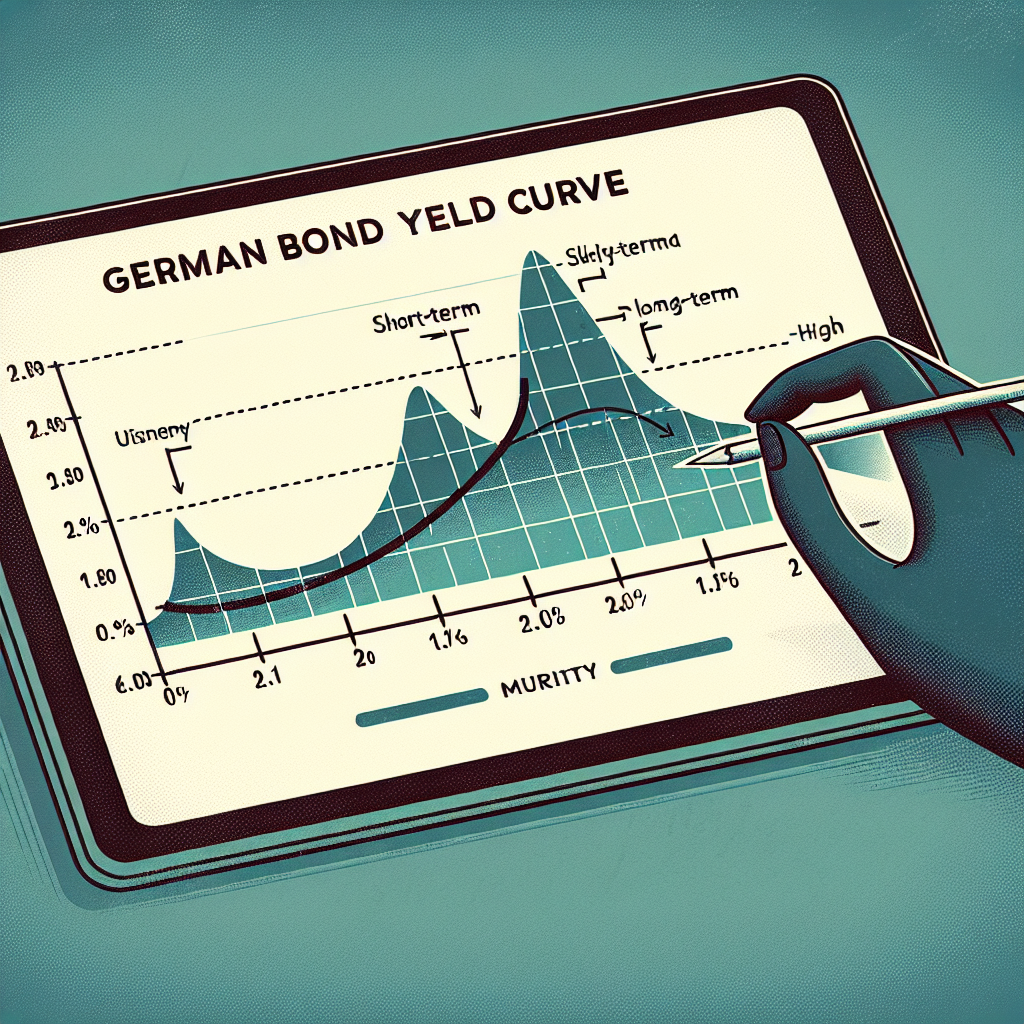
Amid escalating conflicts in the Middle East, Germany's two-year bond yield surged to a new high since July 2024, reflecting inflation concerns fueled by rising energy prices. The sensitive market movement underscores the geopolitical tensions' impact on broader financial systems.
US military action against Iran coupled with President Trump's reimposed naval blockade on Iranian shipping prompted investor caution, contributing to an 8 basis point rise in Germany’s bond yield to 2.798%. This hike resonates with the global bond market's anticipation of further European Central Bank rate adjustments.
On the US front, Federal Reserve Chair Kevin Warsh's congressional testimony and forthcoming inflation data are pivotal as Fed Governor Christopher Waller hinted at potential rate rises should inflation persist above the 2% benchmark. The geopolitical and economic interplay continues to shape sentiment in the bond markets.
ALSO READ
-
Nigeria’s Recovery Gains Pace as Higher State Revenues Put Public Services in Focus
-
Papua New Guinea Nears $189m IMF Financing as Growth Slows and Reforms Advance
-
Rwanda Moves Towards $35.7 Million IMF Release as Strong Growth Meets Inflation Pressure
-
Malawi Edges Closer to IMF Deal as Debt, Inflation and Climate Risks Test Its Recovery
-
Europe and Central Asia’s Growth Slows to 2.2% as AI Reshapes Jobs and Skills Needs


 Google News