

Automation Revolutionizes U.S. Transport Efficiency
Advancements in automation are transforming the U.S. transportation sector into more efficient, continuously optimized networks. From driverless trucks to AI-enhanced river navigation, these developments signal a shift in energy consumption and logistic strategies. The evolution towards autonomous systems is expected to significantly impact energy markets and commodity prices.
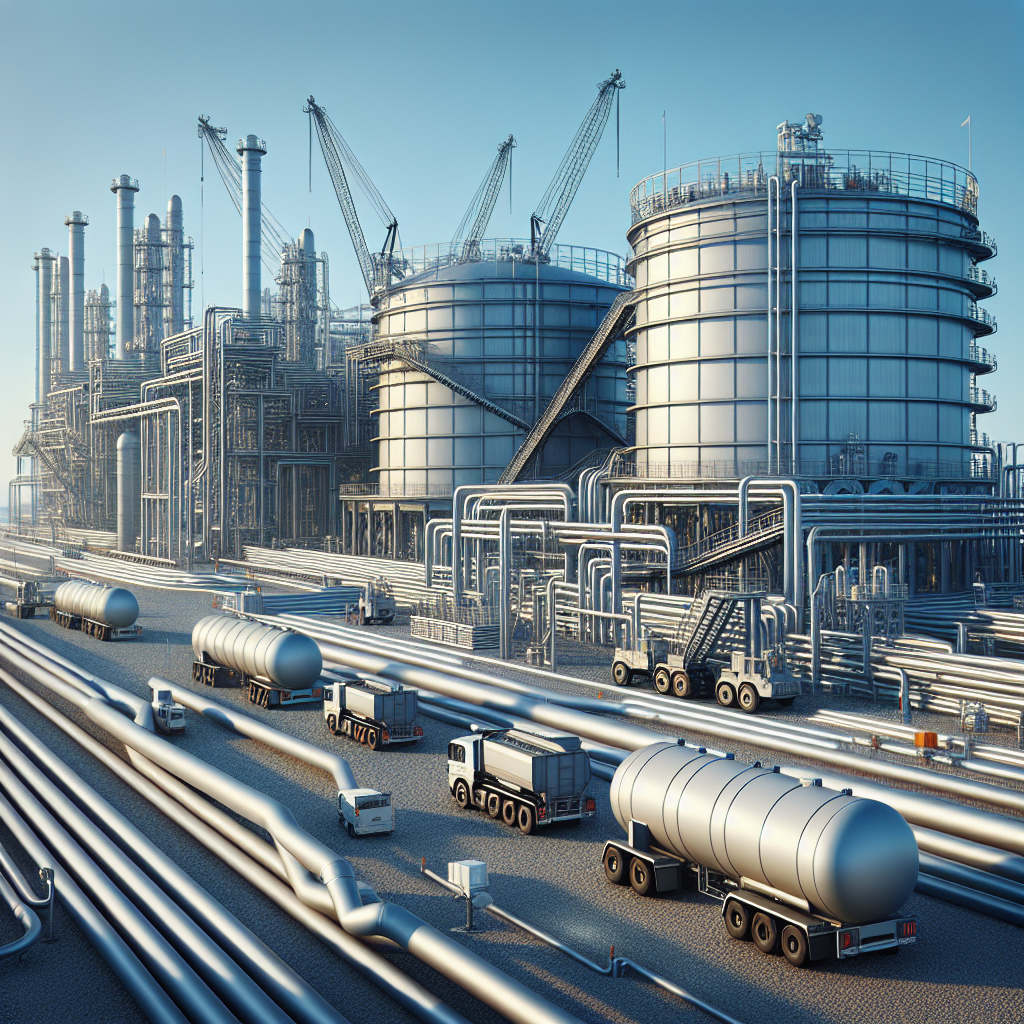
- Country:
- United States
The U.S. transportation sector is entering a revolutionary phase with the integration of automation technologies. Advances like driverless trucks and AI-enhanced river navigation are forming a new paradigm of continuously optimized, energy-efficient logistics networks.
From Texas to the Mississippi River and beyond, automation promises to reshape how goods are moved, consumed, and managed across the country. The impact is anticipated to be far-reaching, with significant implications for the energy and commodities market.
The potential energy savings and increased productivity from transport automation highlight a potential transformative era. It draws parallels to the revolutionary shifts of steam power and electrification, possibly ushering in a freight system that maximizes efficiency without needing continuous operation breaks.
ALSO READ
-
Poltava University Reopens With Safer, Greener Spaces for Nearly 3,000 Campus Users
-
Tunisia Signs $240M AfDB Deal to Upgrade Water Networks and Clean Up Industry
-
Why the Countries With the Most Renewable Power Are Not Always the Most Energy Secure
-
Inside Dutch Social Housing: Smart Sensors Connecting Daily Life With Energy Use
-
EIB Upgrades School and Public Service Centre in Ukraine’s Western Ternopil


 Google News