

South Sudan not sufficiently prioritizing children’s education: UNICEF
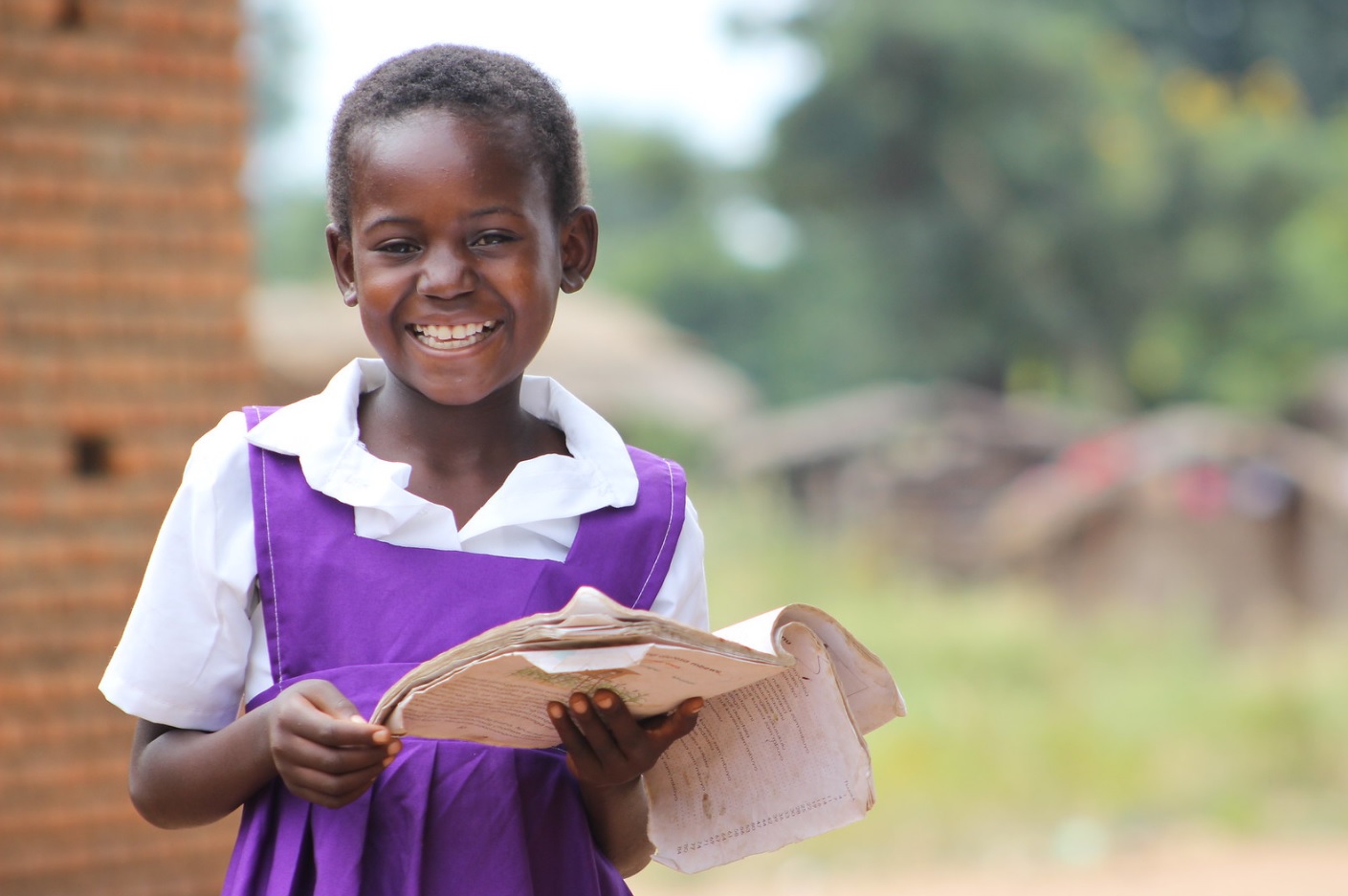
2.2 million children do not have access to quality education in South Sudan, jeopardizing the future of the entire country.
- Country:
- South Sudan
South Sudan is not sufficiently prioritizing children's education, UNICEF said today. While the internationally agreed international standard for education allocations is 20 percent of the national budget, South Sudan only spends 5.6 percent for 2019-2020, according to the national budget. This is the lowest public education spending in East Africa, recent studies say.
2.2 million children do not have access to quality education in South Sudan, jeopardizing the future of the entire country. As the country prepares for a new academic year, UNICEF is calling on the Government of South Sudan to prioritize education in its government spending.
"Education must be a top priority for the Government in South Sudan and sufficient allocations must be made to ensure every child in the country can go to school and learn," said UNICEF Representative in South Sudan Dr. Mohamed Ag Ayoya. "By investing in the education of its children, South Sudan is investing in the future and development of the whole country."
The call for more public spending on education in South Sudan comes as UNICEF is launching the global report 'Addressing the learning crisis: an urgent need to better financial education for the poorest children'. Nearly 1 in 3 adolescent girls from the poorest households around the world have never been to school, the report says - launched as education ministers from all over the world are gathered at the Education World Forum, ahead of the World Economic Forum annual meeting.
Poverty, discrimination due to gender, disability, ethnic origin or language of instruction, physical distance from schools and poor infrastructure are among the obstacles that continue to prevent the poorest children from accessing quality education. Exclusion at every step of education perpetuates poverty and is a key driver of a global learning crisis.
The paper notes that the lack of resources available for the poorest children is exacerbating a crippling learning crisis, as schools fail to provide quality education for their students.
In South Sudan, the lack of public investment in education is contributing to the critical shortage of qualified teachers. An estimated 62 percent of primary teachers and 44 percent of secondary teachers are not qualified. Also, many teachers leave the profession due to salaries not being paid on a regular basis.
UNICEF calls the Government of South Sudan:
to progressively increase the education share of the national budget to the internationally agreed standard of 20 per cent.to ensure salaries of qualified teachers are paid and paid on time to increase teacher retention.to allocate adequate resources to pre-primary education to ensure children are starting primary school well prepared.
"With South Sudan's academic year commencing in a few weeks, it is prudent to commit to realizing every child's right to an education, by ensuring the education sector has the necessary resources," said Ayoya.
(With Inputs from APO)
ALSO READ
-
ADB’s Five-Year Plan Backs Better Services and More Jobs Across Papua New Guinea
-
Philippines Could Unlock Billions Through Smarter Taxes and Public Spending
-
AI Must Understand Us: Caribbean Nations Bring Local Priorities to Global Debate
-
Somalia Faces Deepening Hunger as Flood Threat Puts Lives and Farms at Risk
-
Nepal’s Floods Leave 14,000 Children Facing Disrupted Learning as Recovery Needs Grow


 Google News