

Kumbh Mela: A Celebration of Inclusivity and Cultural Heritage
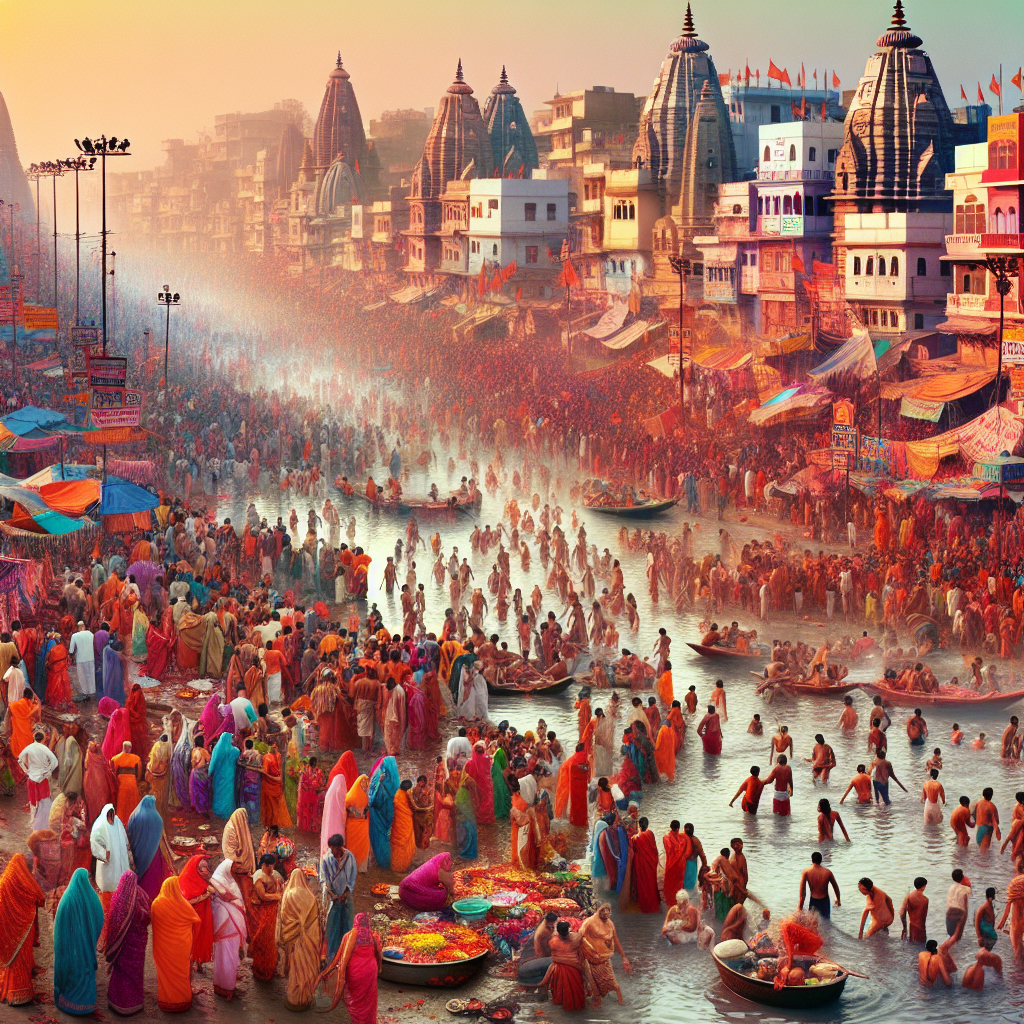
The Kumbh Mela, celebrated in India, is recognized by UNESCO for its values of inclusivity and cultural heritage. It is the largest peaceful congregation of pilgrims, where millions bathe in sacred rivers. The festival, held every four years, emphasizes cultural unity and spiritual liberation.
- Country:
- India
The Kumbh Mela, a festival of immense cultural significance in India, has garnered international recognition for its core values of inclusivity and social dialogue. UNESCO's South Asia Director, Tim Curtis, highlighted its importance in today's world during his visit to the Maha Kumbh in Prayagraj.
Recognized as an intangible cultural heritage by UNESCO in 2017, the Kumbh Mela is a vibrant testament to India's rich traditions. The Maha Kumbh in Prayagraj, occurring every 12 years, began on January 13 and will conclude on February 26. This year's gathering has seen millions of pilgrims taking part in the spiritual experience.
A defining feature of the festival is the gathering of ascetics, saints, and pilgrims, who believe that bathing in the sacred rivers liberates them from sin. The event, held by rotation across four cities, bears witness to the collective spirit and devotion of its participants, transcending caste, creed, and gender barriers.


 Google News