

The Unlikely RSS Supremo: Golwalkar's Legacy and Challenges
Madhav Sadashivrao Golwalkar, a former zoology professor, unexpectedly became the RSS chief in 1940, leading the organization through challenging times, including the Quit India movement and post-Gandhi assassination period. Despite hurdles, he expanded RSS's reach and molded its volunteer character, leaving a significant legacy upon his death in 1973.
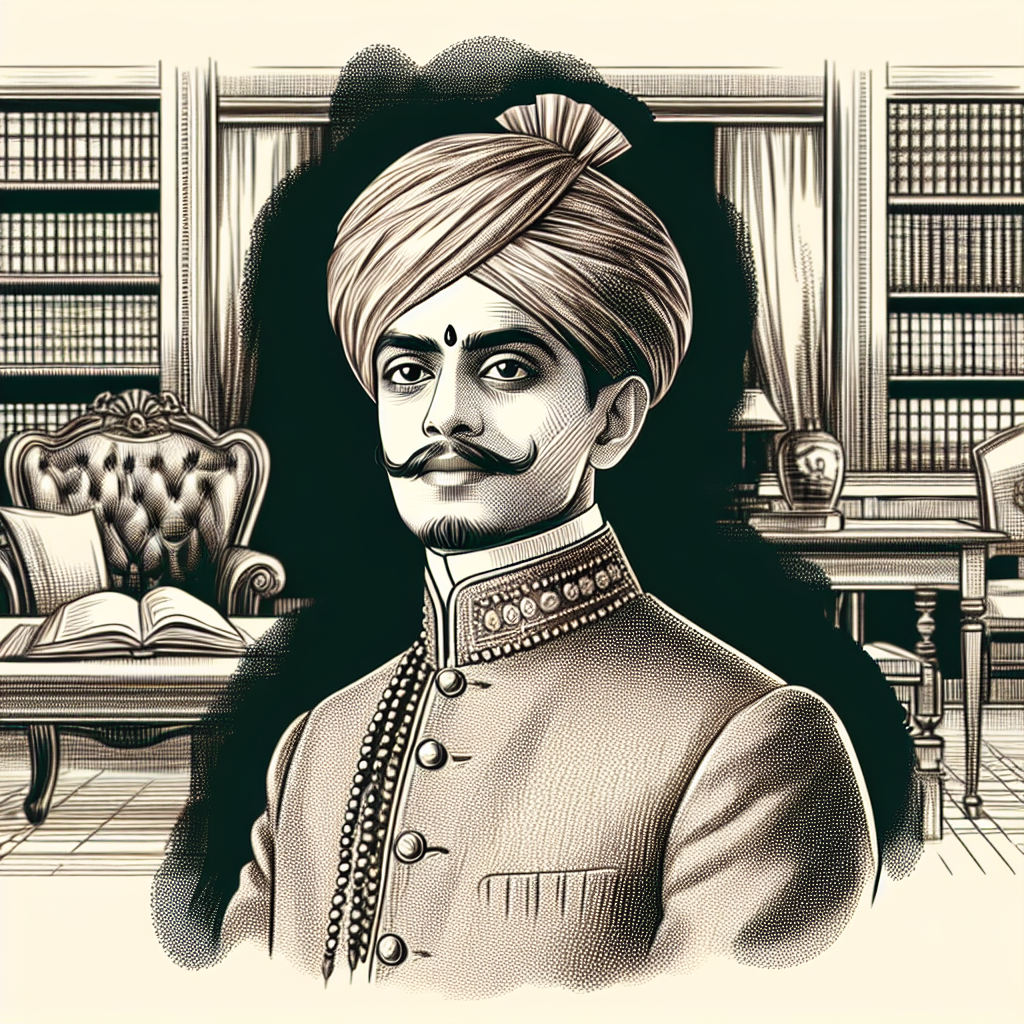
- Country:
- India
Madhav Sadashivrao Golwalkar emerged as an unexpected choice to lead the Rashtriya Swayamsevak Sangh (RSS) in 1940. Senior journalist Sudhir Pathak revealed that Golwalkar, initially a zoology professor, was chosen by RSS founder Dr. Keshav Baliram Hedgewar, surprising many as the organization commemorates its centenary.
Though initially uninvolved with the RSS since its foundation, Golwalkar became the 'sarsanghchalak' during a pivotal time. He faced significant decisions like the 1942 Quit India movement, opting against formal RSS participation but not barring individual member involvement, which saw some volunteers engage proactively.
Post-India's 1947 Partition and the tumultuous aftermath of Mahatma Gandhi's assassination in 1948, Golwalkar guided the RSS through a government-imposed ban. His leadership eventually led to the ban’s revocation in 1949 after drafting a new constitution from jail, reshaping the organization’s future.


 Google News