

Kneeling Before Iran: A Statue Revives Historical Triumphs
A new statue in Tehran depicts Roman Emperor Valerian kneeling to Persian King Shapur I, revitalizing ancient Iranian victories over Rome. The statue, seen as a symbol of national pride and defiance, aims to link Iran's historical achievements with the present, especially after recent US-Iran tensions.
- Country:
- Australia
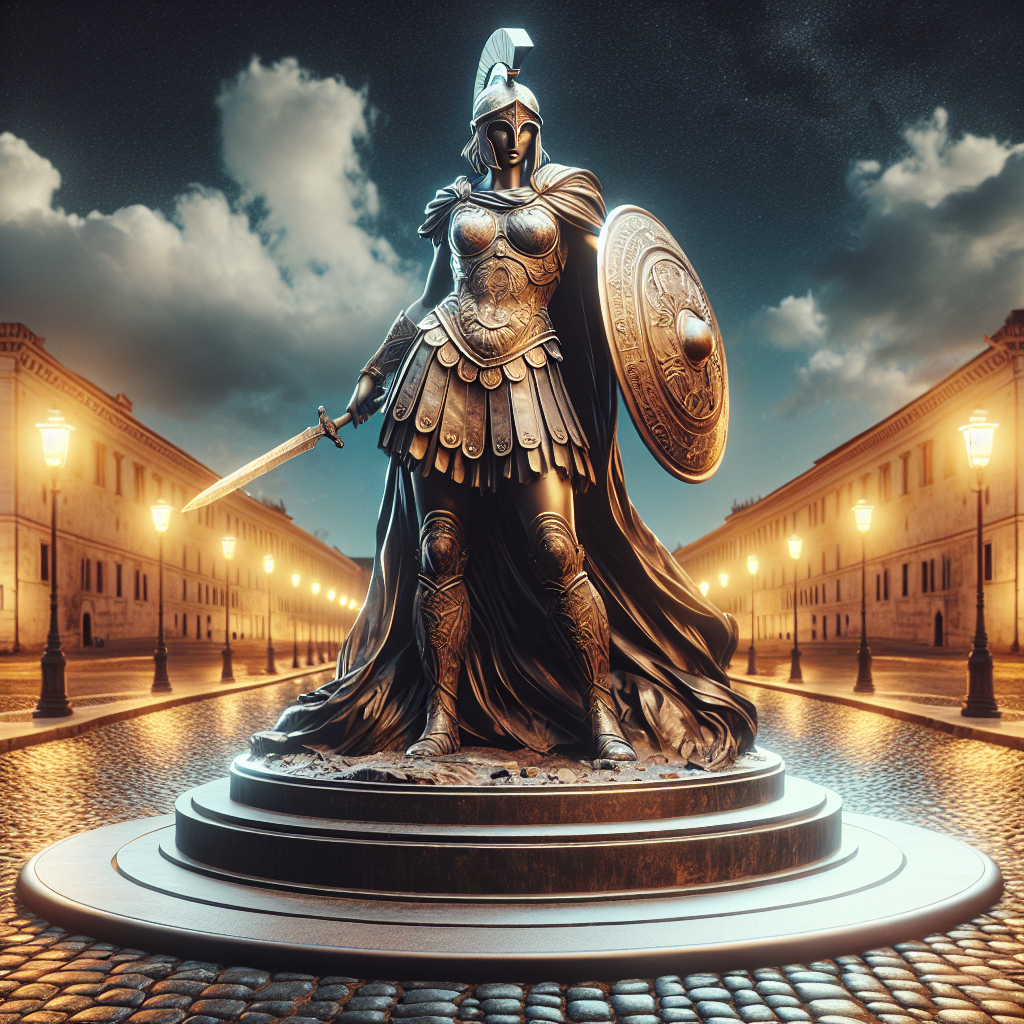
A recently unveiled statue in Tehran, titled 'Kneeling Before Iran,' portrays Roman Emperor Valerian submitting to Persian King Shapur I. This statue, situated in Enghelab Square, draws inspiration from ancient Persian triumphal imagery, evoking a sense of national resistance amidst contemporary geopolitical tensions.
The statue traces back to the 3rd-century exploits of Shapur I, who led successful invasions into Roman territories, capturing Emperor Valerian in 260 CE. This historic event marked the only instance a Roman emperor was captured alive, rendering a significant moment of humiliation for Rome.
Iran's decision to celebrate Shapur's victories with this statue highlights nationalistic pride while connecting to a broader narrative of defiance, especially following recent US actions. It serves as a reminder of Iran's enduring resilience, resonating deeply with the country's historical and cultural identity.


 Google News