

250 Million children need warring parties to lay down weapons to fight COVID-19
“There have been some positive developments, with parties to conflicts in 11 countries have already committed to a cessation of hostilities during the pandemic.
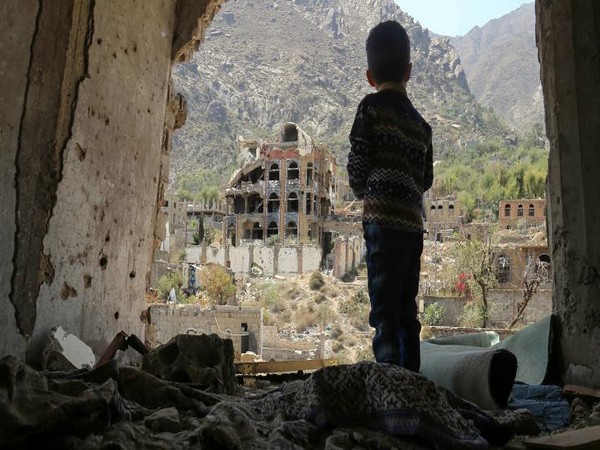
"Today there are 250 million children around the world living in areas under conflict. Each of these children needs warring parties to heed the call of the UN Secretary-General to lay down their weapons as part of a global ceasefire to confront the COVID-19 pandemic. Each of these children needs to finally be safe from the violence.
"Parties to the conflict will not be able to fight COVID-19 while still fighting each other.
"Yet nearly a month on from the Secretary General's appeal, violent conflict continues to be waged in parts of Afghanistan, Burkina Faso, Libya, Mali, Syria, Ukraine, and Yemen, among others.
"To the children living through these waking nightmares, a ceasefire could mean the difference between life and death.
"A global ceasefire would protect children from being killed, maimed or forced from their homes by conflict. It would stop the attacks on vital infrastructure like health centers and water and sanitation systems. It would open space for vulnerable populations to access essential services like healthcare – services that are key to stopping a pandemic. It would create opportunities to engage with parties to conflicts for the safe release of children from armed forces and groups.
"There have been some positive developments, with parties to conflicts in 11 countries have already committed to a cessation of hostilities during the pandemic.
"Nevertheless, far more needs to be done to make a meaningful difference for children on the ground:
"First, all parties to the conflict should make and respect ceasefire agreements, period.
"Second, authorities and groups controlling territory should facilitate open access for humanitarian personnel so that we can reach children and families with essential services, including food, healthcare, protection, water, and sanitation. This access could also be used to repair or rehabilitate key infrastructure that may have been affected by fighting so that populations are better protected from the spread of COVID-19.
"Third, armed forces and groups must not impede the delivery of relief supplies, or prevent people in need from obtaining services. All civilians under the control of government or opposition groups must be allowed to receive the assistance that is vital to their survival and wellbeing.
"Fourth, parties to conflicts should release any children being held in detention in relation to armed conflict or national security. Armed forces and groups should also release children from within their ranks. As ever, UNICEF stands ready to assist authorities in preparing to release children, including through identifying safe conditions.
"In the meantime, while the fighting continues, so too does COVID-19's silent march on vulnerable children and populations caught in the middle.
"A global ceasefire would serve as a model of cooperation and solidarity to push back against COVID-19, a pandemic which threatens all of humanity, especially the most vulnerable among us. Not only would a ceasefire significantly improve our chances to defeat the disease in the short term, but it could also lay the groundwork for a durable and lasting peace – and that would mean everything for children and their futures."
(With Inputs from APO)
ALSO READ
-
Drone Strikes Destroy Over 292,000 Textbooks Ahead of Sudan’s New School Year
-
Oaxaca Children Become Heritage Guardians Through Play, Exploration and Local Stories
-
South Korean Stance on Middle East Conflict
-
Widening Conflict: Drone Strikes and Daylight Attacks Mark Russian-Ukrainian Tensions
-
Middle East Unrest: Yemen Crisis Fuels Oil Supply Fears


 Google News