

Kenya launches tender offer for $2 billion bond for new debt
Kenya's government on Wednesday offered to exchange holdings in its $2 billion bond due in June for a new dollar-denominated bond in another sign that international capital markets are back open to the region's issuers. The government, which has received funding boosts this year from lenders including the International Monetary Fund and the regional Trade and Development Bank, said in a statement that it wanted to smooth out the maturity profile of the Eurobond and manage the country's external debt.
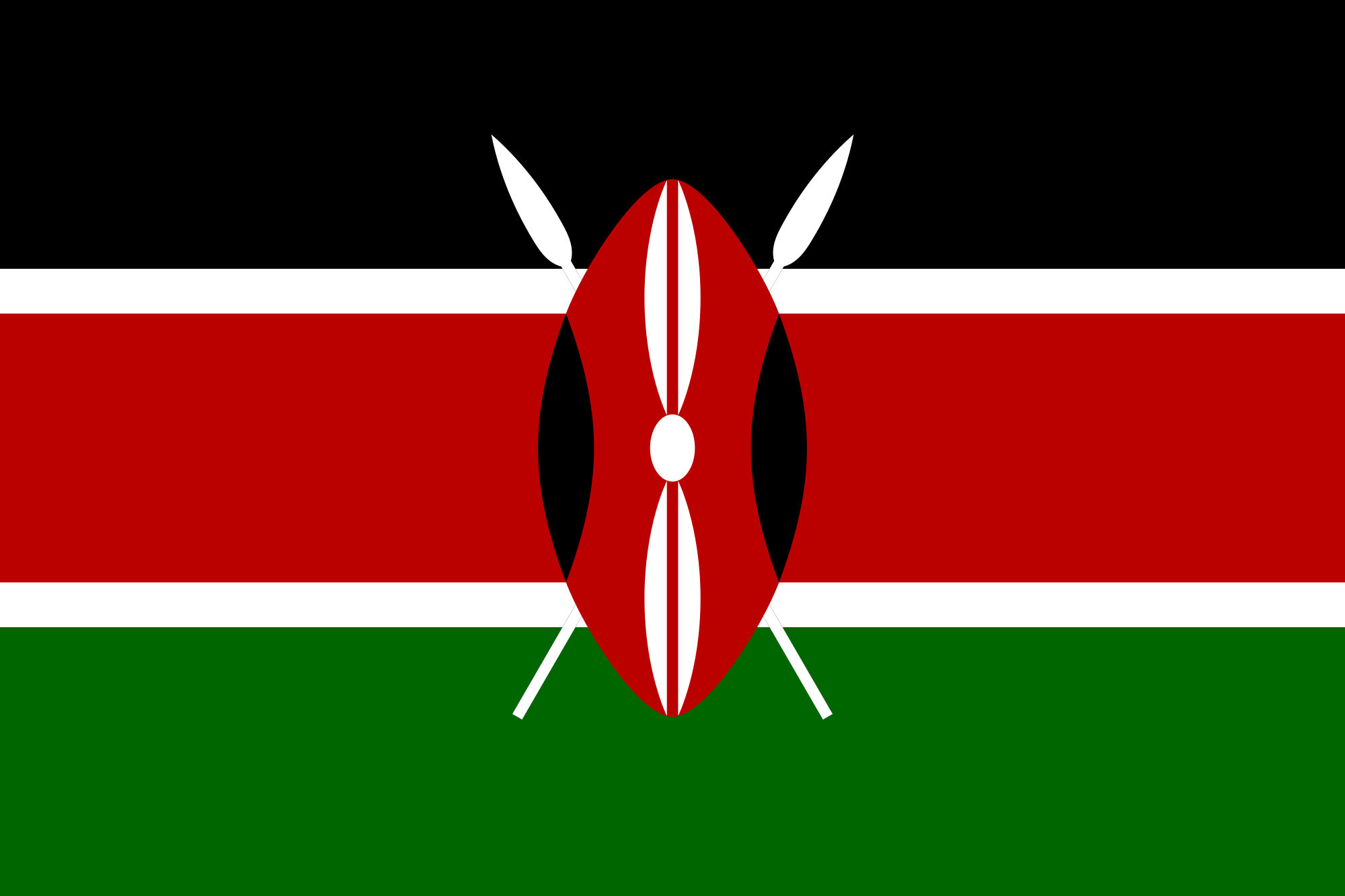
- Country:
- Kenya
Kenya's government on Wednesday offered to exchange holdings in its $2 billion bond due in June for a new dollar-denominated bond in another sign that international capital markets are back open to the region's issuers.
The government, which has received funding boosts this year from lenders including the International Monetary Fund and the regional Trade and Development Bank, said in a statement that it wanted to smooth out the maturity profile of the Eurobond and manage the country's external debt. The East African country has been closely watched to see how it handles the big June payment due to its growing debt burden and a sharp drop in its shilling currency.
The bond climbed as much as 2.4 cents to 99.5 cents on the dollar, according to MarketAxess data. President William Ruto told Reuters late last month that Kenya was looking to buy back at least some of the bond in February or March.
The new bond is expected to be an amortising structure with a final maturity in 2031, according to indications from a bank on the deal, and will be benchmark size, which usually means $500 million or more. Kenya's 2032 bond is currently trading at 86.7 cents on the dollar with a yield of almost 10.5%. Kenya's tender offer follows successful international bond issuances by Ivory Coast and Benin after a near two-year drought of international debt sales by sub-Saharan African countries, many of which were hit hard by rising interest rates and the fallout from the COVID pandemic and Russia's invasion of Ukraine.
Zambia defaulted in 2020, followed by Sri Lanka, Ghana and Ethiopia, which raised fears that more fragile economies globally could follow. "It is stunning how quickly sub-Saharan Africa's Eurobond market has re-opened after being entirely shut for the whole of 2023," Charlie Robertson, head of macro strategy at FIM Partners, said in emailed comments.
The fall in yields of U.S. government bonds, which has pulled down yields globally, helped, he said, "The IMF deserves praise here too. They have backstopped countries ranging from Argentina to Kenya and Pakistan and that has given the market the reassurance it needed that the problems in Ethiopia, Ghana, Sri Lanka and Zambia won't spread," he said.
ALSO READ
-
Trump and Xi Set for High-Stakes Summit: Trade, Taiwan, and Technology in Focus
-
US Tariff Announcement Delay Amidst Xi-Trump Summit
-
Raiffeisen's Russian Dilemma: A Financial Linchpin Under Fire
-
Raiffeisen Bank Faces Renewed Scrutiny Over Russian Trade Allegations
-
Canadian Trade Minister Heads to India for Pivotal Economic Talks


 Google News