

UNESCO Report Warns of AI's Potential to Distort Holocaust History and Fuel Antisemitism
As more young people use Generative AI for assignments and information, the danger of encountering distorted Holocaust information increases.
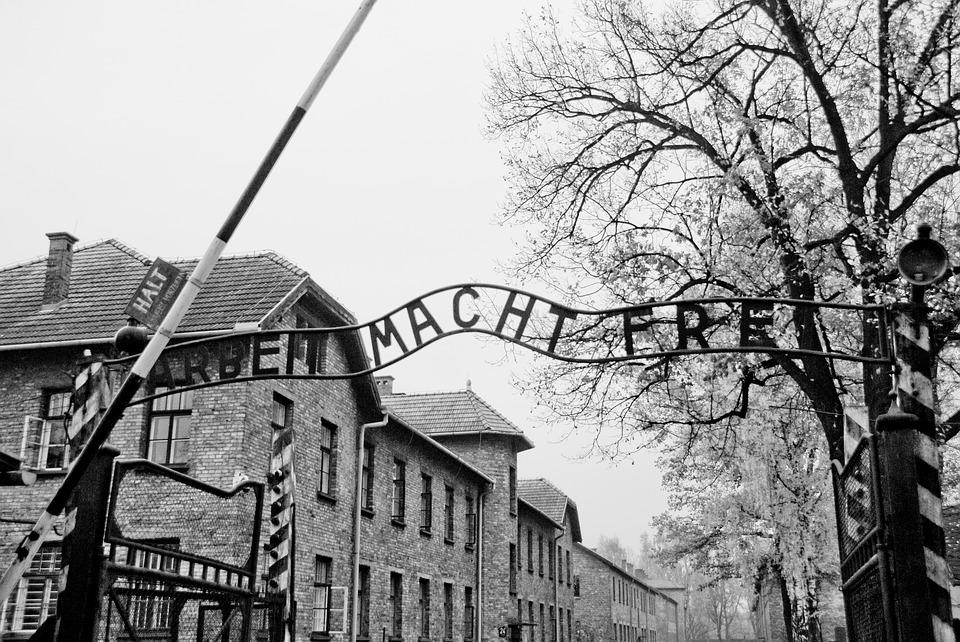
A UNESCO report published today warns that without decisive action to integrate ethical principles, AI could distort the historical record of the Holocaust and fuel antisemitism. The report, created in partnership with the World Jewish Congress, highlights the risks posed by Generative AI, which can enable malicious actors to spread disinformation and inadvertently generate false content about the Holocaust.
As more young people use Generative AI for assignments and information, the danger of encountering distorted Holocaust information increases. With 80% of youth aged 10 to 24 using AI daily, urgent action is needed to ethically guide these technologies.
AI and Societal Biases
Generative AI, trained on vast amounts of internet data, can absorb and amplify societal biases, including those related to the Holocaust. Without proper supervision and moderation, AI tools may draw from Holocaust denial websites, misrepresenting historical facts and reinforcing prejudices. Malicious actors have exploited AI to create fabricated testimonies and alter historical records, such as deepfake images and audio, which can mislead young people on social media. The Historical Figures App, for example, allowed users to chat with figures like Adolf Hitler and Joseph Goebbels, spreading false claims about their roles in the Holocaust.
"Hallucinating" History
Generative AI models are prone to inventing or "hallucinating" events and figures due to insufficient data. The report notes instances where ChatGPT and Google's Bard fabricated Holocaust-related events. For example, ChatGPT created a false narrative about 'Holocaust by drowning' campaigns, and Bard generated fake quotes to support distorted Holocaust accounts. Such fabrications risk undermining established facts and trust in experts, while oversimplifying complex history and privileging narrow sources.
Implementing Ethical Principles
To combat these issues, UNESCO calls for the accelerated implementation of its Recommendation on the Ethics of AI, adopted by Member States in 2021. This global standard is being integrated into the legislation of over fifty countries. UNESCO urges tech companies to adopt these standards and ensure fairness, transparency, human rights, and due diligence in AI applications. In February 2024, eight tech companies committed to applying an ethical approach to AI development.
UNESCO also recommends that tech companies collaborate with the Jewish community, Holocaust survivors and their descendants, educators, antisemitism experts, and historians when creating AI tools. Furthermore, UNESCO appeals to education systems to enhance digital literacy and critical thinking skills among young people, along with a comprehensive understanding of Holocaust history, to safeguard historical facts.
In conclusion, integrating ethical principles into AI development is crucial to preventing the distortion of Holocaust history and combating antisemitism, ensuring that the memory of the Holocaust remains accurate and respected.


 Google News