

India Eyes Stronger Energy Ties with Russia Amid Push for $100 Billion Trade
India seeks to solidify its energy relationship with Russia, aiming for deals with Rosneft and other leading oil firms. Prime Minister Narendra Modi and Russian President Vladimir Putin target boosting bilateral trade to $100 billion by 2030, focusing on cooperation in nuclear energy, oil refining, and technologies.
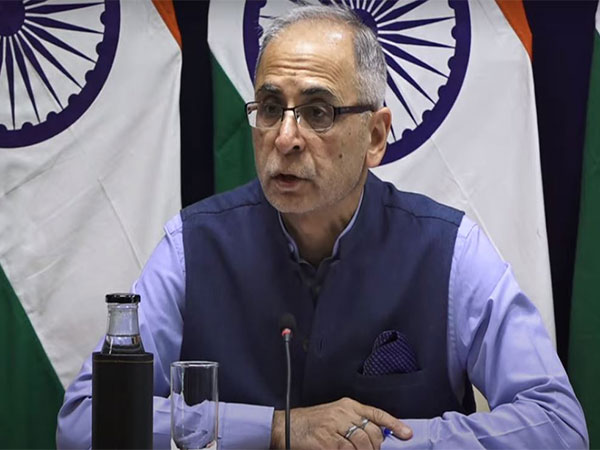
India is looking to strengthen its energy ties with Russia and might pursue agreements with Rosneft and other top Russian oil companies, according to Foreign Secretary Vinay Mohan Kwatra on Tuesday. The move is part of a broader strategy to enhance bilateral trade, which Indian Prime Minister Narendra Modi and Russian President Vladimir Putin have set to increase to $100 billion by 2030 from the current $65 billion. Kwatra made these remarks during a news conference after the leaders met in Moscow.
During their talks, Modi and Putin emphasized the importance of collaboration in the energy sector. Kwatra highlighted that this cooperation includes potential government-to-government partnerships with Rosneft and other energy entities.
India has become the largest buyer of discounted Russian seaborne oil as Western nations avoid Russian oil due to sanctions linked to the February 2022 Ukraine invasion. Russia is now India's primary oil supplier, catering to one of the world’s biggest oil importers and consumers. Following the leaders' meeting, a joint statement outlined nine key cooperation areas to reach the $100-billion trade goal. India aims to increase its exports to balance its trade deficit with Russia. The two countries are also working towards a Free Trade Agreement between the Russia-led Eurasian Economic Union and India.
Energy cooperation will cover nuclear energy, oil refining and petrochemicals, energy infrastructure, and technology partnerships. Russian firms, including Rosneft, hold significant stakes in India's Nayara Energy, while Indian companies have shares in Russian oil projects. ONGC Videsh is currently seeking approval to keep its 20% stake in the Sakhalin 1 project. Additionally, India is a major importer of Russian fertilizers and aims to strengthen these ties for agricultural security. Modi and Putin also agreed to establish a bilateral settlement system using national currencies, enhancing economic cooperation.
ALSO READ
-
Inside Russia’s SMR School, Where Nuclear Experience Shapes Future Energy Decisions
-
Japanese Lawmakers Visit India to See Worker Protection and Skills Projects in Action
-
Indian Unions Push for Fair Recruitment and Rights for Care Workers in Germany
-
WTO Sets Up Panel on EU Carbon Border Rules as Russia Challenges Restrictions
-
Cleaner Kitchens, Polluted Skies: Hidden Health Cost of India’s Electricity Boom


 Google News