

Prabowo's Fiscal Strategy: Balancing Debt and Revenue in Indonesia
Indonesia's President-elect, Prabowo Subianto, plans to gradually increase the country's debt-to-GDP ratio, while also boosting tax revenues. His approach, involving cautious debt expansion and innovative revenue collection methods, aims to fund campaign promises such as providing free meals to millions without breaching fiscal limits.
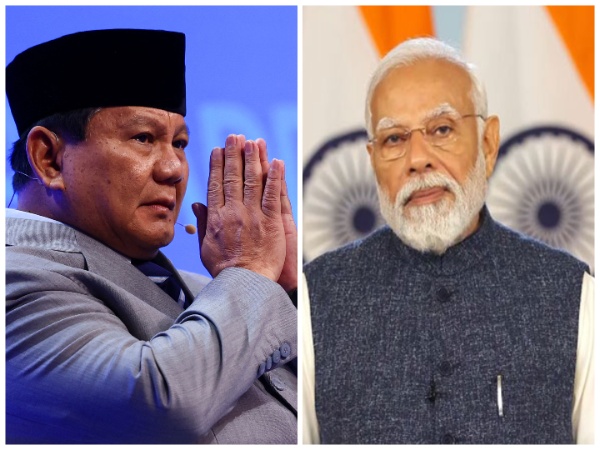
President-elect Prabowo Subianto of Indonesia intends to gradually raise the nation's debt-to-GDP ratio, balancing it with efforts to enhance tax revenues, according to his adviser and brother, Hashim Djojohadikusumo. Speaking at a seminar, Hashim suggested that the increase could range from 1 to 2 percentage points annually, viewing the current sub-40% debt level as underleveraged.
Prabowo's fiscal plans have caught the attention of investors and rating agencies, especially after suggestions of higher debt to fund campaign promises sparked concerns over fiscal slippage. In June, Bloomberg News reported intentions to elevate the debt-to-GDP ratio to 50% over five years, causing capital outflows and impacting the rupiah.
Despite these concerns, Prabowo has asserted compliance with fiscal laws, maintaining the budget deficit under 3% of GDP and debt at 60%. Hashim emphasized a prudent yet daring approach to realizing campaign goals, like providing free meals to over 80 million Indonesians. Key to this strategy is ramping up revenue without hiking tax rates, aided by tech-driven tax reforms, post consultations with the World Bank.
ALSO READ
-
Indonesia's Mega Free Meals Initiative Feeds Millions
-
American Leverage: Diplomatic Tug of War Over Yen Weakness
-
Brazil's Welfare Boost Amid Election Tensions: Economic Lifeline or Political Strategy?
-
Brazil Boosts Bolsa Familia: A Strategic Move for Re-election
-
Bruno Moretti's Bold Move: Bolsa Familia Boost Amid Re-election Bid


 Google News