

The Dual Identity of NPK: A Deep Dive
NPK, a crucial component in fertilizers, is key to agricultural productivity. It stands for Nitrogen, Phosphorus, and Potassium, which are essential nutrients for plant growth. The article explores its significance, impact, and role in agriculture, highlighting how it supports global food supply chains and sustainable farming practices.
- Country:
- United States
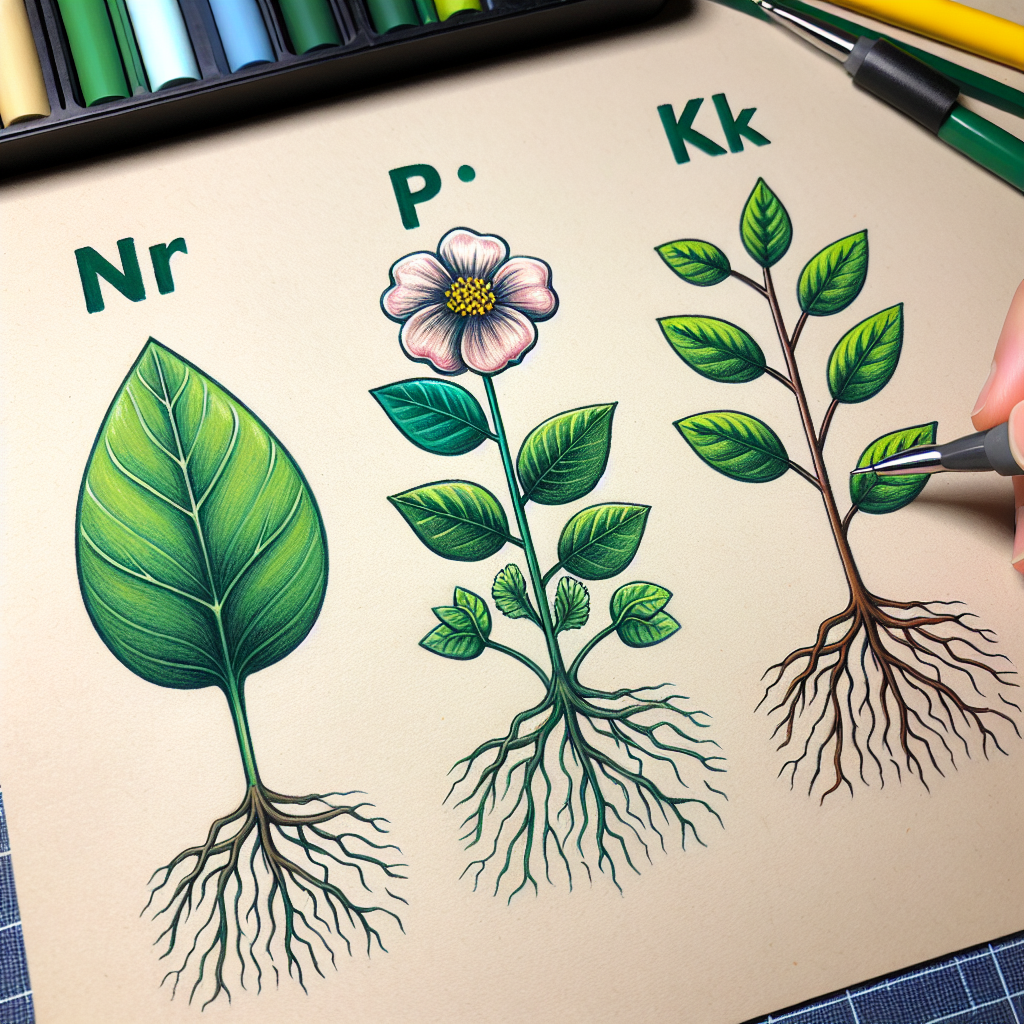
The term NPK plays a pivotal role in agriculture, acting as a cornerstone in the world of fertilizers. Representing the essential nutrients of Nitrogen, Phosphorus, and Potassium, NPK is fundamental for the robust growth and health of crops.
These key nutrients are critical in enhancing crop yields, optimizing plant development, and sustaining the growing demands of global food supply. Farmers around the world rely heavily on NPK fertilizers to boost productivity and manage soil health effectively.
With the global population increasing, the relevance of NPK in promoting sustainable farming practices has never been more crucial. Its strategic use can lead to more efficient farming systems, ensuring that future food demands are met without compromising environmental integrity.
ALSO READ
-
African Development Bank Steps Up Push to Deliver Roads, Airport and Services in CAR
-
Nigeria Launches $5 Billion AgriConnect Plan to Back Farmers and Create 2.5m Jobs
-
World Bank Backs Türkiye’s Farmers With $750 M to Boost Rural Jobs and Growth
-
Malawi’s Fragile Recovery Faces Jobs Test; Debt and State Firms Strain Economy
-
Tunisia’s Water Crisis Puts Jobs and Growth at Risk as Economic Recovery Loses Speed


 Google News