

Africa's Silent Pandemic: Over 225,000 Lives Lost Annually to Road Crashes
Mr. Todt, a former president of the FIA and general manager of Ferrari, has dedicated his post-motorsport career to addressing this urgent issue.
- Country:
- Ethiopia
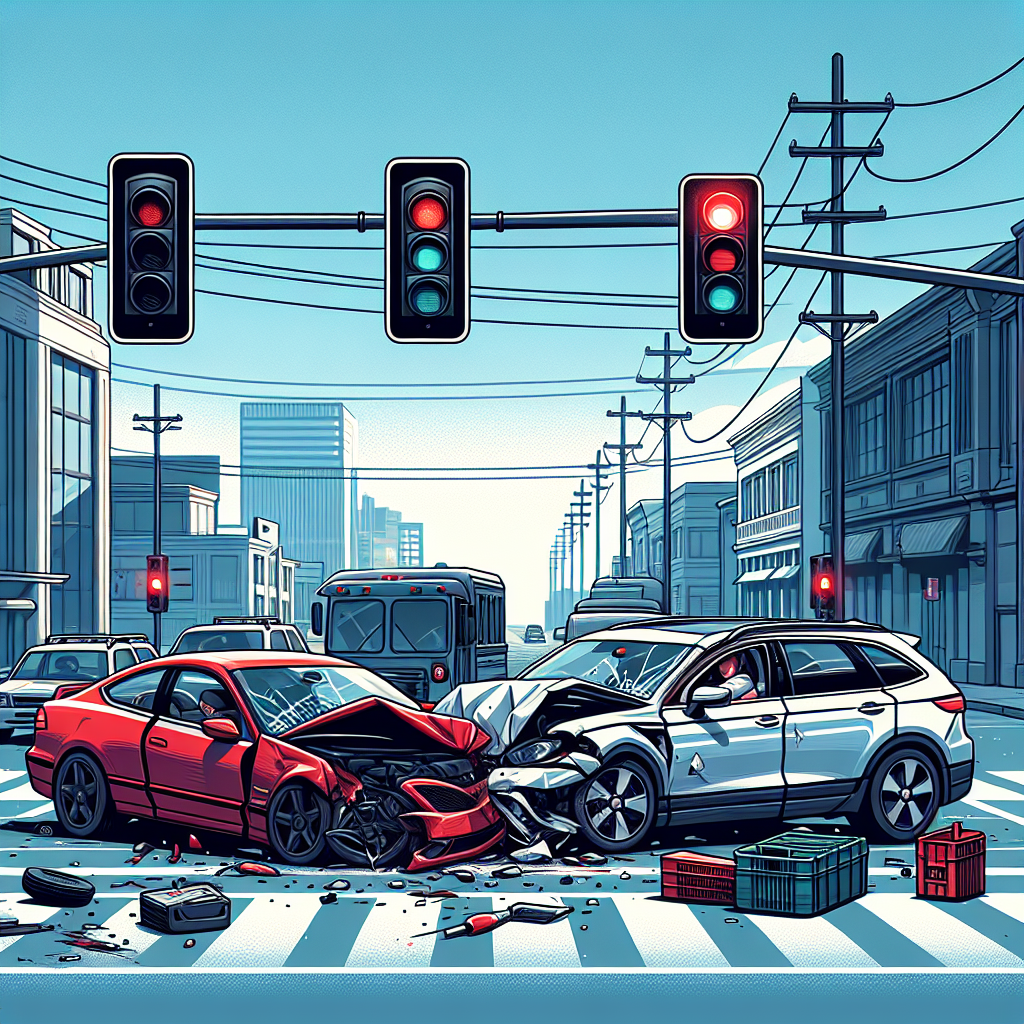
While the world is captivated by headline-grabbing crises, a devastating catastrophe unfolds quietly on Africa's roads. Each year, road crashes claim the lives of over 1.3 million people globally, with Africa suffering disproportionately—accounting for 225,000 deaths annually and millions of injuries. This crisis, labelled "the silent pandemic" by Jean Todt, the United Nations Special Envoy for Road Safety, remains overshadowed by other global emergencies. "Every day, around 3,500 people leave their homes and never return because of road crashes," he stated, highlighting the staggering toll on families and communities worldwide.
Jean Todt's Commitment to Road Safety
Mr. Todt, a former president of the FIA and general manager of Ferrari, has dedicated his post-motorsport career to addressing this urgent issue. "In life, if you've had a little success, you must give something back," he remarked during an interview with the Sustainable Africa Series, reflecting on his commitment to combating road crashes.
Despite the alarming statistics, Mr Todt expressed frustration that road safety receives only a fraction of the attention and funding compared to other causes with similar fatality rates, such as AIDS, tuberculosis, and malaria. Economically, the impact is profound, with road crashes draining 3% to 5% of African nations' GDP annually, further hindering development in already vulnerable economies.
Challenges to Road Safety in Africa
Africa grapples with a multitude of road safety challenges, including:
Inadequate Infrastructure: Many roads remain poorly maintained, lacking essential safety features.
Weak Law Enforcement: Limited enforcement of traffic laws exacerbates dangerous driving behaviours.
Limited Access to Safe Public Transportation: Many communities rely on unsafe modes of transport, increasing vulnerability.
Survivors of road crashes often face lifelong disabilities and financial struggles, placing additional burdens on already strained communities.
Progress and Success Stories
Despite these challenges, there are signs of progress. Mr Todt praised Rwanda for its efforts to enhance road safety through improved police enforcement and better helmet regulations, which have significantly reduced the severity of motorbike crashes. "When governments prioritize road safety, lives are saved," he noted.
Globally, Mr. Todt has championed key United Nations initiatives, including the UN Road Safety Fund (UNRSF), launched in 2018, to support low- and middle-income countries in developing strategies to reduce road fatalities. Alongside this, the Global Plan for the Decade of Action for Road Safety (2021-2030) aims to achieve Sustainable Development Goal (SDG) 3.6, targeting a 50% reduction in global road deaths by 2030.
Grassroots Efforts and Local Initiatives
Local initiatives are also gaining momentum. In Ghana, youth leader Fahd Abubakari is spearheading grassroots campaigns to promote safer driving practices and repair malfunctioning traffic lights—small actions that have already begun to yield positive results.
Robert Lisinge, an expert at the Economic Commission for Africa (ECA), highlighted efforts in Eswatini and The Gambia aimed at improving road safety. He noted the critical need for financing, alongside stronger law enforcement and infrastructure. "We are working with governments to strengthen enforcement, secure financing, and create safer roads," Mr. Lisinge said.
A Collective Responsibility
Mr Todt emphasized that road safety is a shared responsibility, stating, "Leaders must take the initiative, but everyone has a role to play. Every driver, passenger, and pedestrian must follow the rules to help save lives." He believes that collective action can reverse this tragedy.
As Africa continues to grapple with road safety challenges, Mr. Todt's advocacy serves as a poignant reminder that every statistic represents a person, a family, and a community affected by this silent pandemic. "This tragedy can be reversed, but it will take collective action to end the silent pandemic ravaging the continent," he urged, calling for immediate and sustained efforts to improve road safety across Africa.


 Google News