

Palm Oil Controversy: Global Brands Scrutinized for Deforestation Ties
Prominent consumer brands such as Nestle and Procter & Gamble are facing scrutiny after a report accused their supply chains of palm oil sourced from illegal deforestation in Indonesia's wildlife reserve. The investigation highlights deforestation within the Rawa Singkil Wildlife Reserve, impacting endangered species habitats.
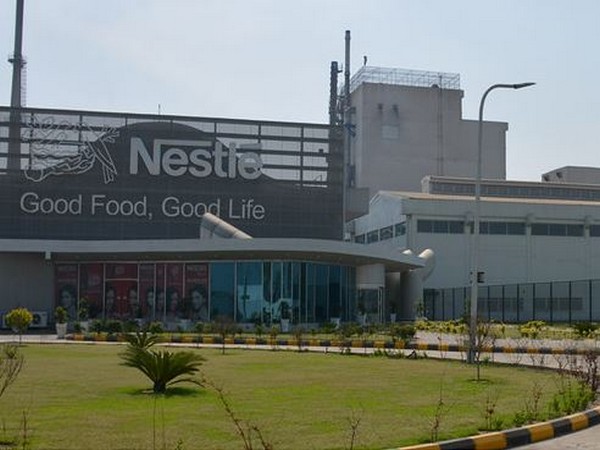
Nestle, Procter & Gamble, and other consumer giants are under fire following allegations of sourcing palm oil tied to illegal deforestation in Indonesia. An environmental group, Rainforest Action Network (RAN), claims palm oil from Indonesia's Rawa Singkil Wildlife Reserve may have infiltrated their supply chains.
The U.S.-based RAN presented satellite and field investigation images, exposing deforestation in the reserve since 2016. Despite legal protections, palm oil plantations have replaced significant rainforest areas, posing threats to endangered species. The group states over 2,609 hectares have been cleared, violating laws against deforestation.
Though brands like Nestle and Procter & Gamble launched internal probes, they face pressure to act on RAN's findings. With palm oil being central to food, cosmetics, and biofuels, this investigation revives criticism over the industry's environmental impact.


 Google News