

Germany's Political Shuffle: Snap Election Unfolds Amid Coalition Collapse
Germany is heading for a snap national election on February 23, prompted by the dissolution of Chancellor Olaf Scholz's coalition government. Major parties, including Social Democrats, conservatives, Greens, and others, are preparing for a fierce battle, with key debates centering around Ukraine, economic revival, migration, and energy policy.
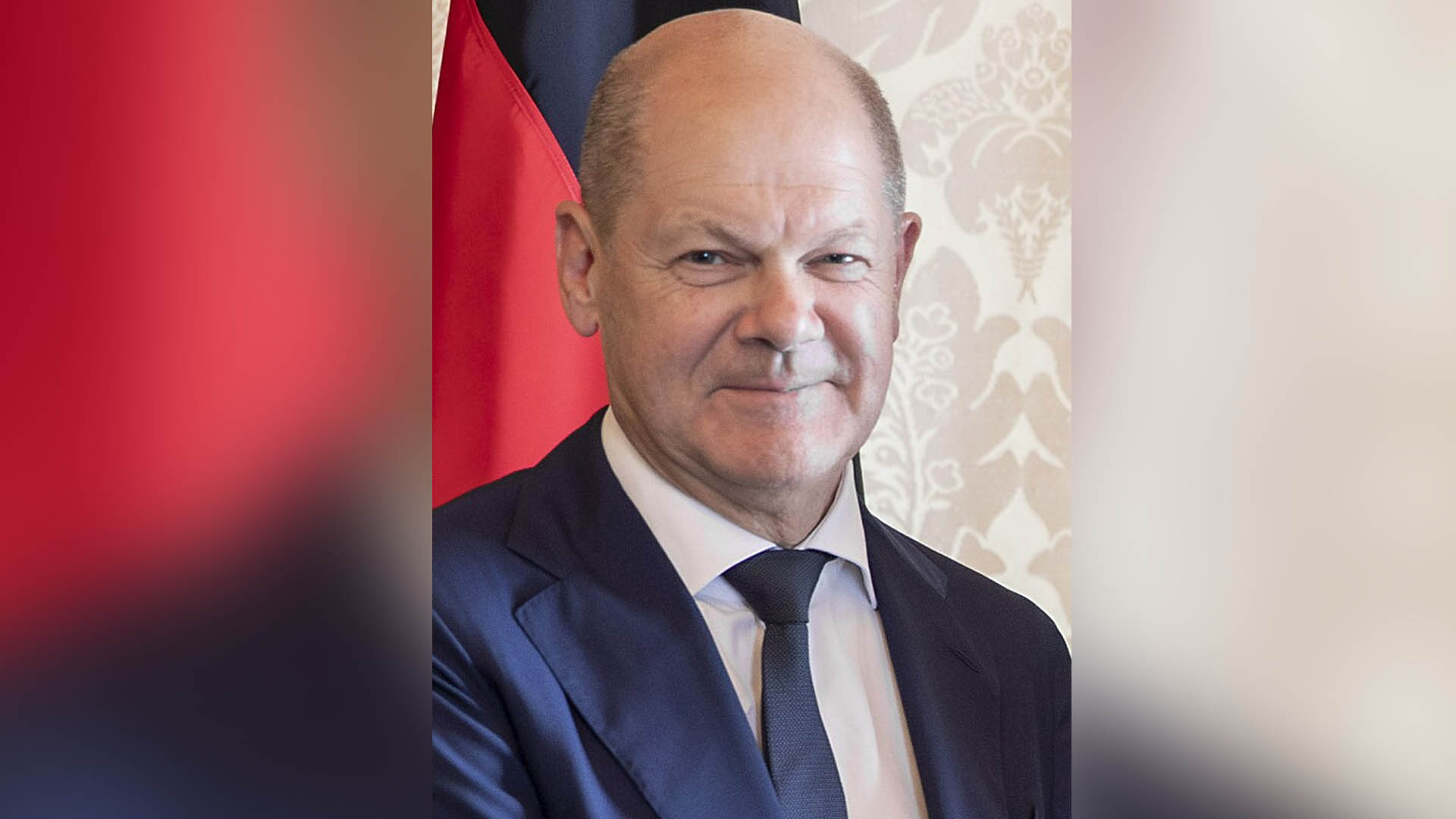
Germany is set for a snap national election on February 23 following the breakdown of Chancellor Olaf Scholz's three-way coalition. This pivotal political event has thrust the country into a fervent electoral contest.
Among the contenders are key parties like the centre-left Social Democrats (SPD) led by Scholz, the conservative alliance of Christian Democrats (CDU) and Christian Social Union (CSU), the environmental Greens, and the far-right Alternative for Germany (AfD), all vying for the chancellorship. Polls currently show the conservatives in the lead at 29.8%, with the AfD following at 19.7%, while Scholz's SPD has fallen to third place with 15.6%.
As Germany prepares for the vote, several contentious policy issues are at the forefront, including strategies on Ukraine, economic development plans, migration policies, and energy challenges. Each party presents distinct proposals, ranging from military aid decisions to economic reforms and immigration regulations.
ALSO READ
-
Indian Unions Push for Fair Recruitment and Rights for Care Workers in Germany
-
South Korean President Lee Jae Myung Rules Out Second Term
-
Brazil's Presidential Runoff: Lula vs. Bolsonaro in Tight Race
-
Brazil's Welfare Boost Amid Election Tensions: Economic Lifeline or Political Strategy?
-
Reclaiming National Pride: Klopp’s Call for 'Positive Patriotism'


 Google News