

EU's Gas Price Cap Expiration: A Reflective Point on Energy Crisis Management
The European Union's gas price cap, introduced amid the 2022 Russian gas crisis, expires without being triggered. It was meant to activate if prices hit extreme highs, but the market stabilized enough to avoid this. The decision marks an easing in Europe's energy crisis, aided by diversifying gas sources.
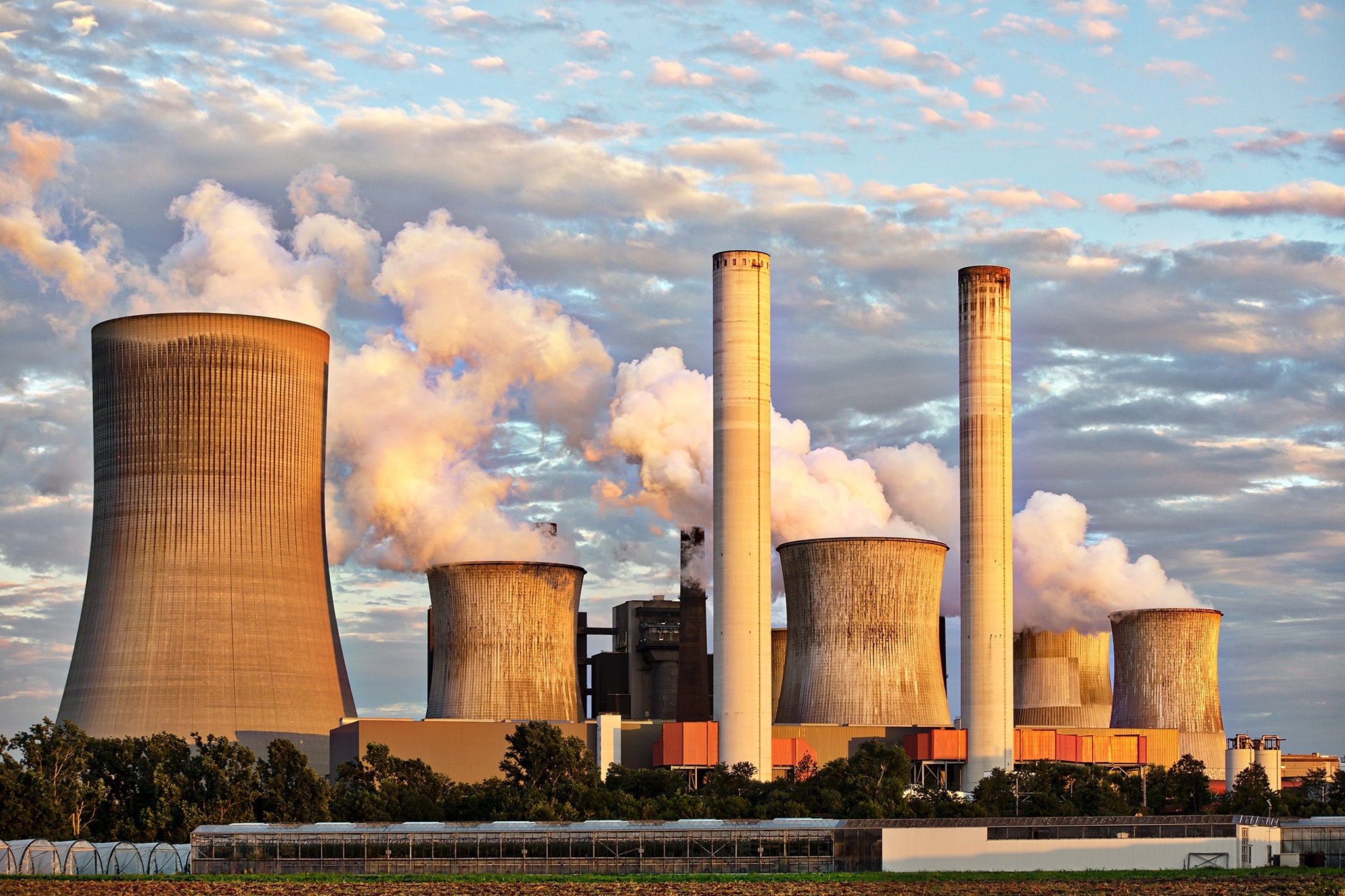
The European Union's gas price cap, unveiled during the 2022 Russian gas crisis, is set to expire on Friday without ever being utilized. Introduced to curb skyrocketing energy costs after Russia curtailed gas supplies following its Ukraine invasion, the cap stipulated activation only if gas prices surged above 180 euros per megawatt hour.
Despite cold winters and energy supply concerns, Europe's current gas prices remain stable, trading at over 52 euros/MWh at the Dutch TTF hub, yet far below crisis levels. The European Commission, in acknowledging stabilizing factors like increased non-Russian gas supplies and improved infrastructure, announced no extension for the cap.
Opinions were divided on the cap's potential impact. While Germany worried about market disruptions, countries like Italy called for its redesign. Meanwhile, Eurogas, representing industry, highlighted the potential for unintentional market distortions, reinforcing the complexity of managing energy policies during crises.
ALSO READ
-
Belize Communities Take the Lead in New Push for Jobs, Skills and Stronger Futures
-
Hotter Years, More Cavities? Understanding Link Between Climate and Dental Health
-
Europe’s Rare Earth Wake-Up Call: Turning Years of Research Into Factories That Last
-
Lebanon’s Small Business Owners Build Skills and Market Links With EU and ILO Support
-
Poltava University Reopens With Safer, Greener Spaces for Nearly 3,000 Campus Users


 Google News