

Baltic Power Shift: Breaking Free from Russia's Grid
The Baltic states, Estonia, Latvia, and Lithuania have detached their electricity systems from Russia's grid. This move aims to integrate with the EU and enhance regional security. The initiative gained significance after Russia's 2014 annexation of Crimea and invasion of Ukraine in 2022. The switch is a historic stride towards energy independence.
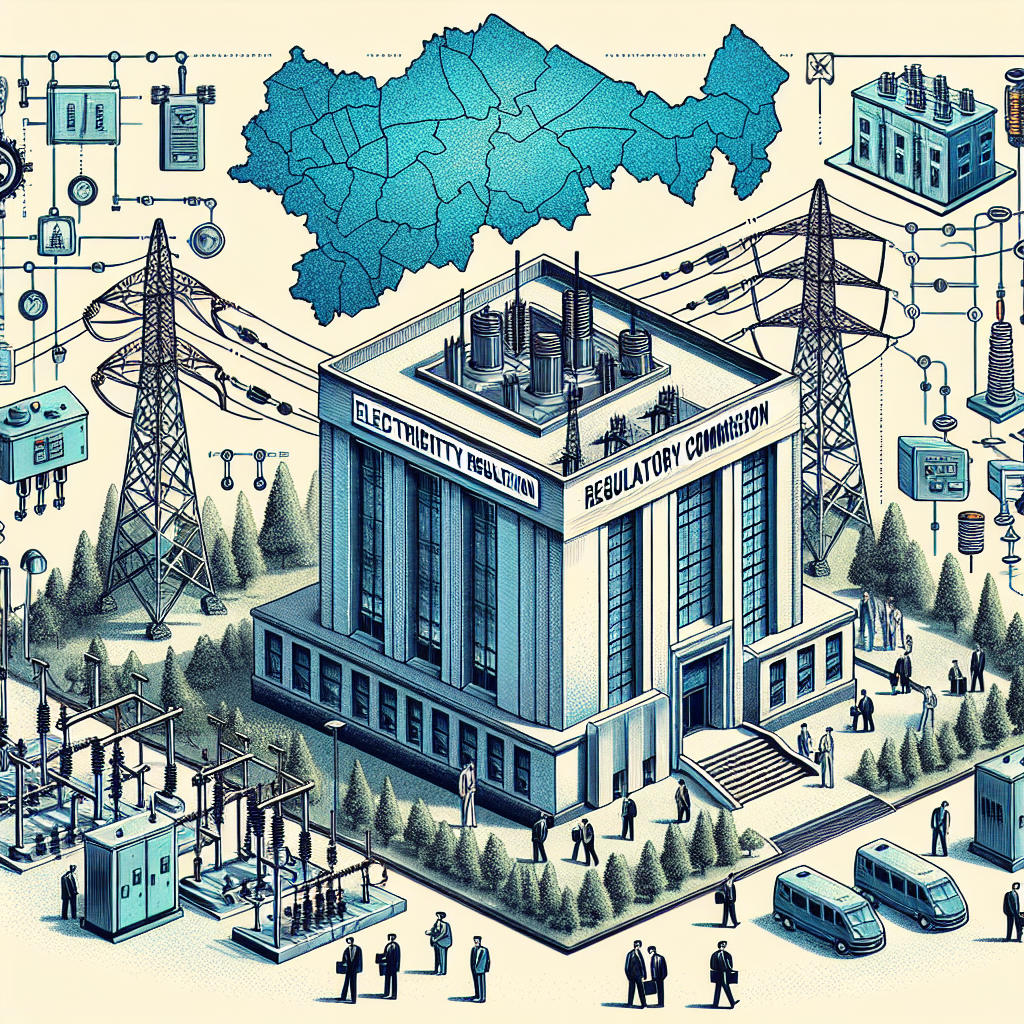
The Baltic states of Estonia, Latvia, and Lithuania have officially disconnected from Russia's power grid, marking a significant step towards energy autonomy and integration with the European Union. The historic transition, set for completion by syncing with the EU grid, reflects decades of strategic planning and geopolitical shifts.
This ambitious endeavor accelerated following Russia's annexation of Crimea in 2014 and further momentum was gained after the Russian invasion of Ukraine in 2022. Until now, the Baltic countries have relied on Russia's grid for stability, despite halting power purchases post-invasion.
The decoupling presents challenges for Russia, isolating its Kaliningrad region from Moscow's main power supply. The massive investment by both sides underscores the importance of energy independence, with the Baltic states investing €1.6 billion and Russia expending 100 billion roubles to prepare for this transition.


 Google News