

Trade Tensions Rise: Trump's Reciprocal Tariff Plans
Donald Trump is planning reciprocal tariffs on countries that impose duties on U.S. imports, heightening fears of a global trade war. The tariffs are expected to impact industries reliant on metal imports. Critics warn about increased costs and global supply chain disruptions.
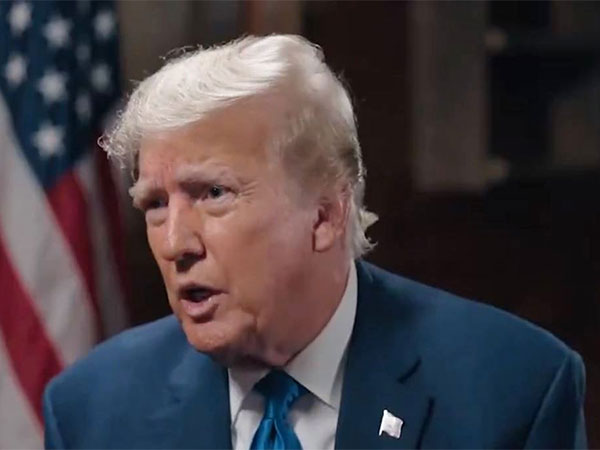
In a major escalation of trade tensions, President Donald Trump's advisors are finalizing plans for reciprocal tariffs on countries that impose duties on U.S. imports. The move risks igniting a broader global trade war, raising concerns among international trade partners and industry stakeholders alike.
Trump's decision to impose tariffs on all steel and aluminum imports, effective March 12, has drawn criticism from major global economies, including Mexico, Canada, and the European Union. Industries that rely heavily on these imports foresee a significant cost hike, potentially disrupting supply chains worldwide.
Trade specialists highlight the challenges in implementing these broad tariffs, with each of the World Customs Organization's 186 member countries having different duty rates. The potential ramifications of these tariffs include increased consumer prices, and could ultimately counteract their intended protective effect on U.S. industries.
ALSO READ
-
EU Firms Rethink Supply Chains as Geopolitical Risks Reshape Global Trade
-
Trade War Chessboard: Agriculture, Energy, and Rare Earths in Focus
-
Prospects of a New Summit: South Korean Optimism Amid Uncertainty
-
Nomination Turbulence: White House Withdraws Jeffrey Anderson for ICAO Post
-
Potential EU Partnerships Stir International Debate


 Google News