

UNICEF and Partners Mobilize to Provide Clean Water to 700,000 Amidst Conflict in Eastern DRC
UNICEF urges all parties involved in the conflict to uphold the Geneva List of Principles on the Protection of Water Infrastructure and ensure the safeguarding of essential water resources.
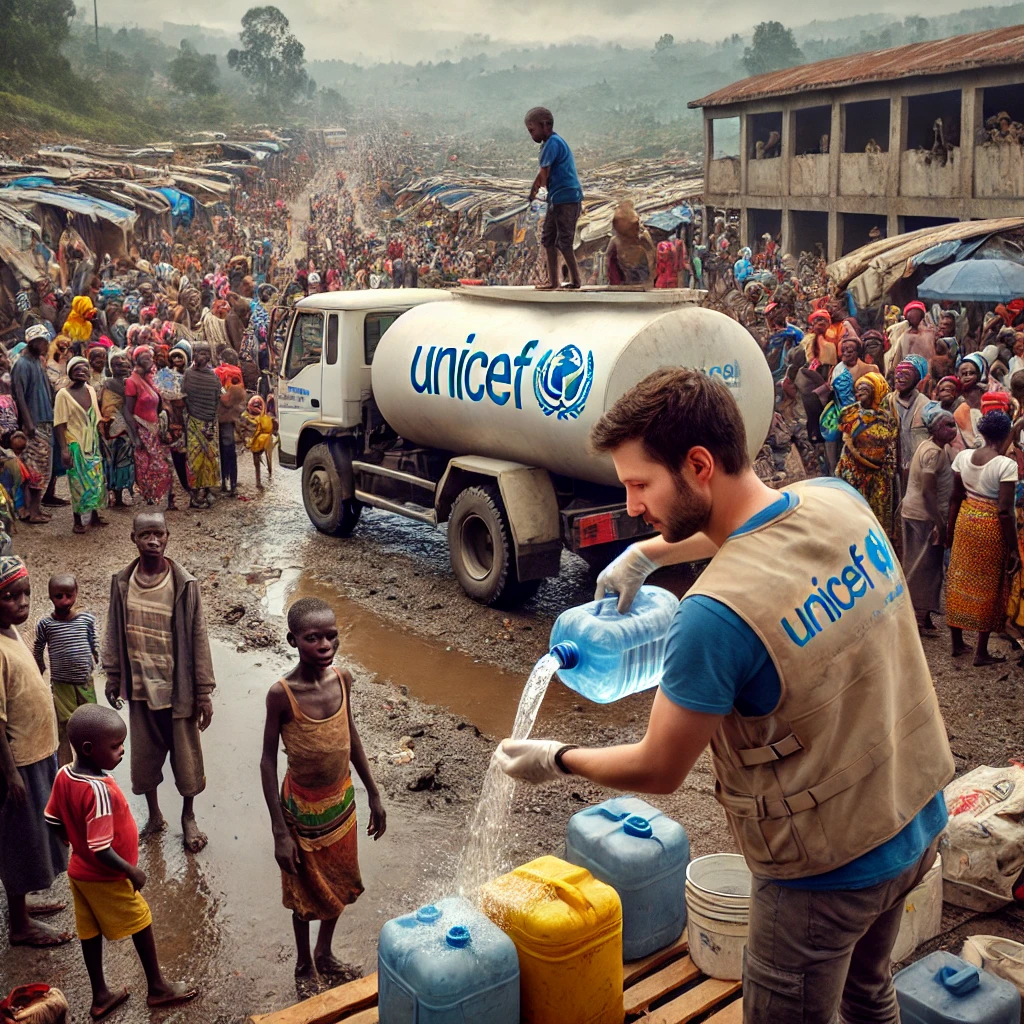
In the wake of intense conflict that disrupted critical infrastructure, UNICEF and its partners are delivering life-saving clean water to 700,000 people daily, including approximately 364,000 children, in the eastern city of Goma. The city's water supply was severely impacted by recent fighting, leaving millions without access to clean water, sanitation, or power.
The humanitarian crisis has compounded two major challenges: the mass movement of displaced people returning to areas with insufficient water and sanitation services, and the destruction of vital water infrastructure. UNICEF warns that without urgent intervention, disease outbreaks could escalate, worsening an already dire situation.
Water Crisis and Disease Threats
"Clean water is a lifeline," stated Jean Francois Basse, UNICEF's acting Representative in DRC. "With ongoing cholera and mpox epidemics in eastern DRC, children and families need safe water now more than ever to protect themselves and prevent a deeper health crisis. Around the world, children in protracted conflicts are three times more likely to die from water-related diseases than from violence. Re-establishing essential services needs to be prioritized, or we risk even more lives."
Despite deteriorating security conditions, UNICEF acted immediately, delivering emergency water supplies to three health facilities, including Virunga General Referral Hospital, which has treated approximately 3,000 injured patients. Medical kits to aid 50,000 people were also distributed to overwhelmed health centers.
Restoring Water Access
Thanks to UNICEF and MONUSCO's intervention, the REGIDESO water utility company restored daily access to water for around 700,000 people by supplying 77,000 liters of fuel to restart five main pumping stations. Additionally, an emergency UNICEF-constructed water network in the Bushara-Kayarutshiyna area is providing clean water to 33,000 residents on the east side of Goma.
However, a significant number of people still depend on untreated water from Lake Kivu. To address this, UNICEF and its partners established over 50 chlorine treatment stations along the lakeshore, supplying safe water to 56,000 people daily. These measures aim to curb the cholera outbreak, which is closely linked to displacement and inadequate water access.
Cholera Outbreak and Humanitarian Concerns
"We are already seeing worrying signs of a rise in cholera cases, closely tied to increased displacement and people relying on unclean water," said Basse. "With the main rainy season approaching, we're extremely worried about an explosion in cases."
Over the past decade, cholera has claimed more than 5,500 lives in the DRC, where only 43 percent of the population has access to basic water services, and a mere 15 percent has access to basic sanitation. Goma's conflict has exacerbated an already precarious situation. Even before the recent escalation, approximately 700,000 displaced people were living in camps with dangerously inadequate water, sanitation, and hygiene services. These conditions not only expose children to deadly diseases but also increase the risk of gender-based violence for women and girls collecting water and firewood.
Call for Protection of Water Infrastructure
UNICEF urges all parties involved in the conflict to uphold the Geneva List of Principles on the Protection of Water Infrastructure and ensure the safeguarding of essential water resources. The organization calls for increased international support to prevent further deterioration of the humanitarian crisis and to protect vulnerable populations, particularly children and families, from the devastating consequences of waterborne diseases.
The situation in Goma remains critical, and sustained efforts are needed to ensure access to clean water, prevent the spread of disease, and safeguard the lives of thousands affected by the conflict.


 Google News