

Escalating Conflict in South Sudan Threatens Fragile Peace Process, UN Warns
Armed confrontations in Nasir have escalated, including a criminal attack on a United Nations aircraft that resulted in tragic fatalities, including the death of UN personnel.
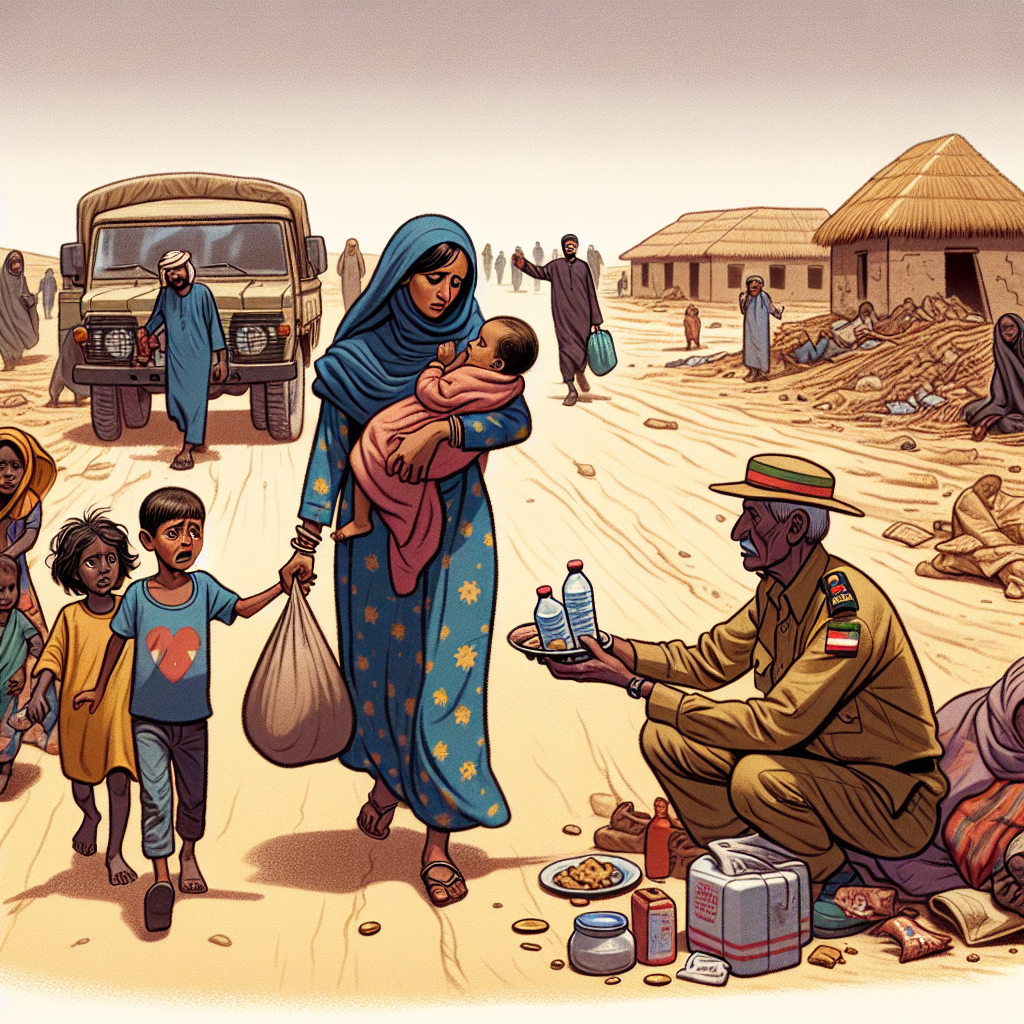
The United Nations Commission on Human Rights in South Sudan has issued a stark warning about the worsening situation in the country, as violence surges in Upper Nile State and political tensions intensify in Juba. These developments, compounded by other political intrigues, threaten to derail South Sudan's Revitalized Peace Agreement and exacerbate the suffering of its citizens.
Rising Violence and Attacks on the UN
Armed confrontations in Nasir have escalated, including a criminal attack on a United Nations aircraft that resulted in tragic fatalities, including the death of UN personnel. The UN has strongly condemned this attack, labeling it a war crime. These violent incidents are direct consequences of political mismanagement, including prolonged delays in the unification of armed forces as mandated by the Revitalized Agreement. The recent dismissal of opposition leaders, including ministers and governors, alongside military clashes and the mobilization of militias, is further destabilizing the region and driving the nation closer to renewed conflict.
Leaders Urged to Refocus on Peace Process
"South Sudan should be moving forward by implementing the peace agreement, strengthening institutions, and laying a foundation for democracy," said Yasmin Sooka, Chair of the Commission. "Instead, we are witnessing an alarming regression that could undo years of hard-won progress. Leaders must urgently refocus on the peace process, protect human rights, and ensure a smooth transition to democracy."
Commissioner Barney Afako echoed these concerns, emphasizing the devastating impact of the power struggles. "South Sudanese have suffered enough," he said. "They have endured atrocities, human rights violations amounting to serious crimes, economic mismanagement, and deteriorating security. They deserve peace, not another cycle of war."
The Need for Immediate Action
The Commission reminds all parties to the Revitalized Agreement and other South Sudanese stakeholders of their obligations to respect human rights and advance transitional processes. Key mechanisms such as constitutional reforms, the establishment of the Truth Commission, the Reparation Authority, and the Hybrid Court are essential to addressing the root causes of conflict and breaking the cycle of political crises and human rights violations.
Commissioner Carlos Castresana Fernández stressed the urgency of responsible leadership: "South Sudan must move forward with its transition toward stability, democracy, and lasting peace. If this trajectory of instability, repression, and conflict continues, the country risks sliding back into chaos. The tensions in Upper Nile must be resolved through dialogue, not armed confrontation."
Call for Regional and International Engagement
The people of South Sudan are desperate for peace and stability, and they now look to regional and international actors—particularly neighboring states and guarantors of the Peace Agreement—to step in. The UN Commission urges these actors to engage with South Sudanese leaders, de-escalate violence, recommit to dialogue and compromise, and ensure the full implementation of the ceasefire and transition processes.
Without immediate intervention, South Sudan faces the grim prospect of renewed conflict, worsening human rights violations, and prolonged suffering for its citizens. The international community must act swiftly to support peace efforts and prevent further destabilization of the nation and the broader region.


 Google News