

Expanding School Meals Programme in Malawi: WFP and Iceland Partner to Improve Education and Food Security
“With the ongoing effects of El Niño-induced drought impacting food security in Malawi, this expansion is timely,” said Simon Denhere, WFP interim Country Director in Malawi.
- Country:
- Malawi
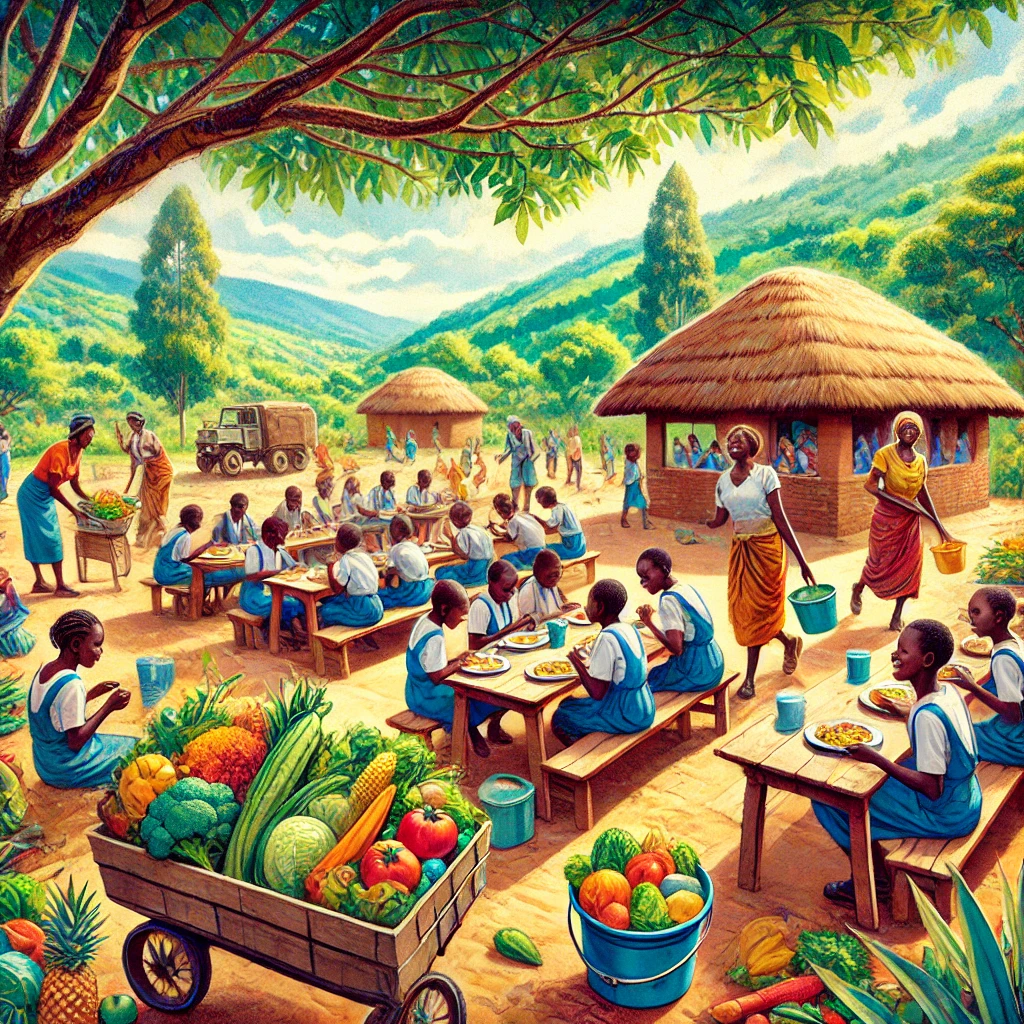
The United Nations World Food Programme (WFP), in collaboration with Malawi's Ministry of Basic and Secondary Education and with support from the Government of Iceland, has expanded the Home-Grown School Meals (HGSM) programme to Nkhotakota district. This expansion aims to enhance food security, support local farmers, and promote sustainable energy solutions in schools.
The Government of Iceland has contributed US$ 1.5 million over the next three years to facilitate this initiative. The funding will provide nutritious meals to 10,000 primary school children, ensuring they stay healthy and focused on their education. Additionally, 1,200 smallholder farmers will benefit from supplying locally produced food to schools, strengthening their businesses and the local economy. Farmer groups will also receive training in marketing, financial management, and access to larger markets, further enhancing their economic stability.
"With the ongoing effects of El Niño-induced drought impacting food security in Malawi, this expansion is timely," said Simon Denhere, WFP interim Country Director in Malawi. "Thanks to Iceland's support, we can reach more children with nutritious meals while also creating sustainable opportunities for farmers."
Beyond school meals and farmer support, a pilot clean energy project will be introduced in select schools. Biodigesters will convert organic waste into biogas for cooking and biofertilizer for school gardens, reducing reliance on firewood and promoting sustainable farming practices.
"Since 2012, Iceland has supported school feeding in Mangochi, and we are proud to expand to Nkhotakota," said Davið Bjarnason, Head of Mission, Embassy of Iceland in Malawi. "This programme enhances nutrition and strengthens local economies by sourcing food from small-scale farmers. Our expansion reinforces our commitment to sustainable school feeding and stronger food systems."
The expansion aligns with national efforts to improve school feeding nationwide. The programme not only addresses immediate food security concerns but also lays a foundation for a healthier, better-educated future generation. It will also integrate with the existing Nkhotakota Basic Services Programme (KKBSP), funded by the Government of Iceland, which focuses on improving access to essential social services, including primary education.
"School meal programmes are a national priority, ensuring children remain healthy and focused in the classroom," said Mrs. Maureen Maguza-Tembo, Deputy Director for School Health, Nutrition, HIV and AIDS in the Ministry of Education. "Expanding the Home-Grown School Meals programme strengthens both education and local food systems, and we appreciate the ongoing collaboration with WFP and Iceland in achieving this goal."
Currently, WFP provides school meals to approximately 800,000 children across Malawi in partnership with the Ministry of Education and other stakeholders. Through sustainable, locally driven solutions, the programme continues to improve education, nutrition, and livelihoods across the country.


 Google News