

Britain Navigates Trump's Steel Tariff Storm: A Strategic Approach
Britain, while disappointed by President Trump's global tariffs on steel and aluminium, refrains from immediate retaliation, opting for strategic negotiations to exempt its steel sector. Despite the U.S. duties, the British government seeks an economic deal with the U.S., emphasizing its contribution to key industries.
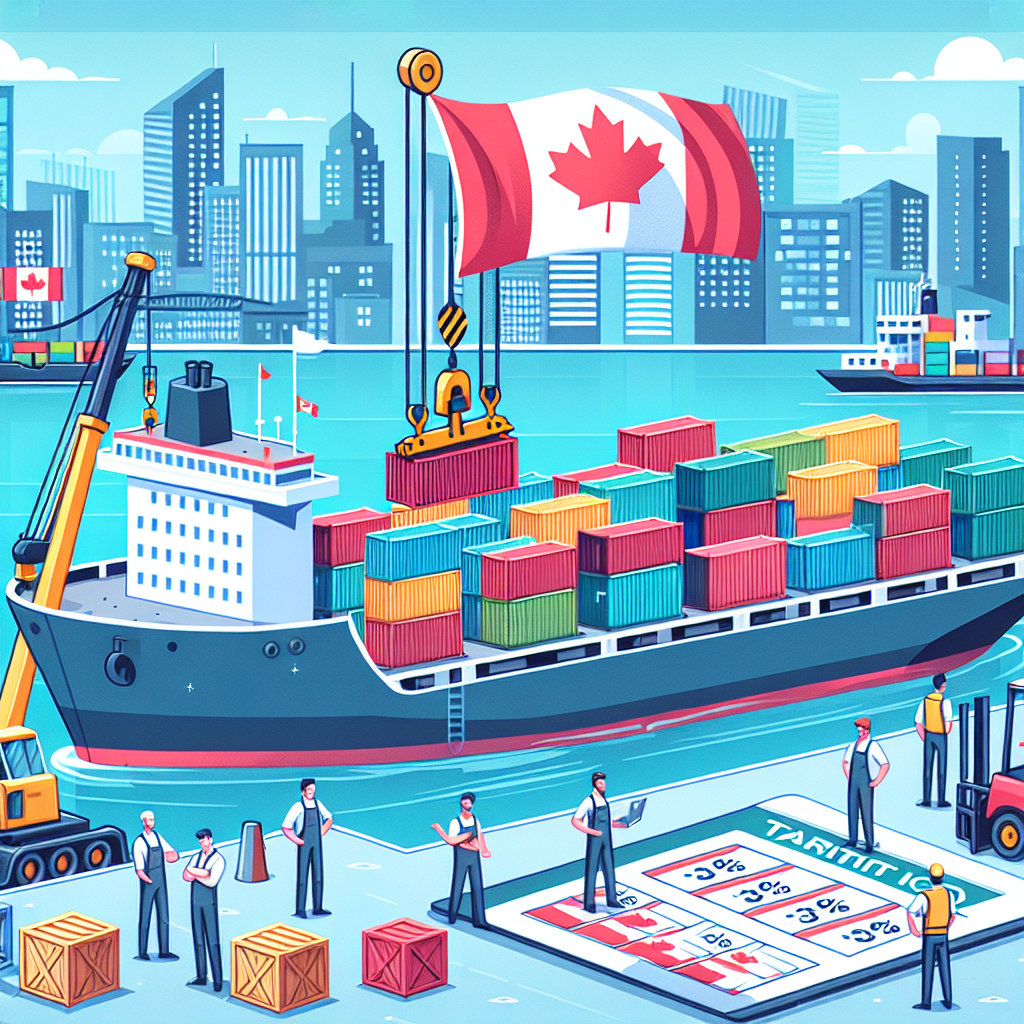
In a diplomatic yet strategic response, Britain has opted not to retaliate immediately against U.S. President Donald Trump's decision to impose a 25% tariff on steel and aluminum imports. Prime Minister Keir Starmer expressed his disappointment in the move but emphasized a pragmatic approach in negotiations with the U.S.
The tariffs have raised concerns particularly for Britain's specialized steel sector, which plays a crucial role in defense and other industries. Hopes for a bilateral trade deal that could nullify the tariffs were dashed as Trump reaffirmed his global tariff strategy to reform trade practices.
The European Union has taken a more aggressive stance by announcing retaliatory counter-tariffs. However, Britain remains focused on securing an exemption, with UK Steel highlighting the nation's role as a key ally rather than a commercial adversary. The government is working closely with affected businesses to protect national interests.
ALSO READ
-
EU Firms Rethink Supply Chains as Geopolitical Risks Reshape Global Trade
-
Lee Jae Myung's Diplomatic Milestones: Balancing Amidst Global Tensions
-
Diplomatic Moves: Takaichi's UN Meeting with Trump
-
Trade War Chessboard: Agriculture, Energy, and Rare Earths in Focus
-
High-Stakes Diplomatic Dance: Trump and Xi's Crucial Summit


 Google News