

Supreme Court Denies 26/11 Plotter Tahawwur Rana's Extradition Stay
The U.S. Supreme Court's denial of Tahawwur Rana's extradition stay marks a pivotal moment in a high-profile terrorism case. This decision follows intensive diplomatic discussions and sets the stage for further investigation into global terror networks as Indian authorities prepare for Rana's custodial interrogation.
- Country:
- India
The United States Supreme Court has denied the extradition stay request of Tahawwur Rana, an accused in the notorious 26/11 Mumbai attacks, marking a pivotal moment in international terrorism accountability. This development follows strategic discussions between Prime Minister Narendra Modi and U.S. President Donald Trump, highlighting its significant geopolitical implications.
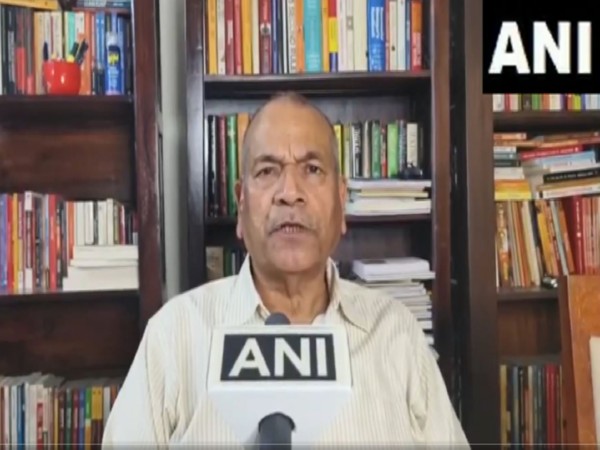
Vikram Singh, Uttar Pradesh's former Director General of Police, hailed the Supreme Court's decision as a 'significant' step. According to Singh, remaining bureaucratic formalities before Rana's transfer to India include essential paperwork and diplomatic protocols. The National Investigation Agency (NIA) stands ready for a comprehensive interrogation alongside the Investigation Board and Mumbai Police to unravel key terror linkages.
Rana's connections with Lashkar-e-Taiba and David Coleman Headley position him as a crucial figure in exposing latent terror networks. Upon his arrival in India, concerted interrogation efforts by multiple agencies are aimed at extracting vital information about sleeper cells, clandestine support channels, and possible ties to Mumbai's film fraternity who assisted in reconnaissance missions.
Tahawwur Rana, citing immediate health concerns and potential animosity due to his nationality and religious background, attempted to delay his extradition. His medical conditions include an abdominal aortic aneurysm, Parkinson's disease, and probable bladder cancer, raising concerns about his fitness for trial. Yet, the Supreme Court’s decision remained unfazed by his health claims.


 Google News