

Yuan's Historic Tumble Amid Sino-U.S. Trade Tensions
China’s yuan plunged to its lowest value since 2007 against the U.S. dollar due to ongoing trade tensions and tariff battles with the U.S. The central bank's cautious moves to lower the yuan’s midpoint reflect a balancing act to maintain stability and competitiveness in export markets.
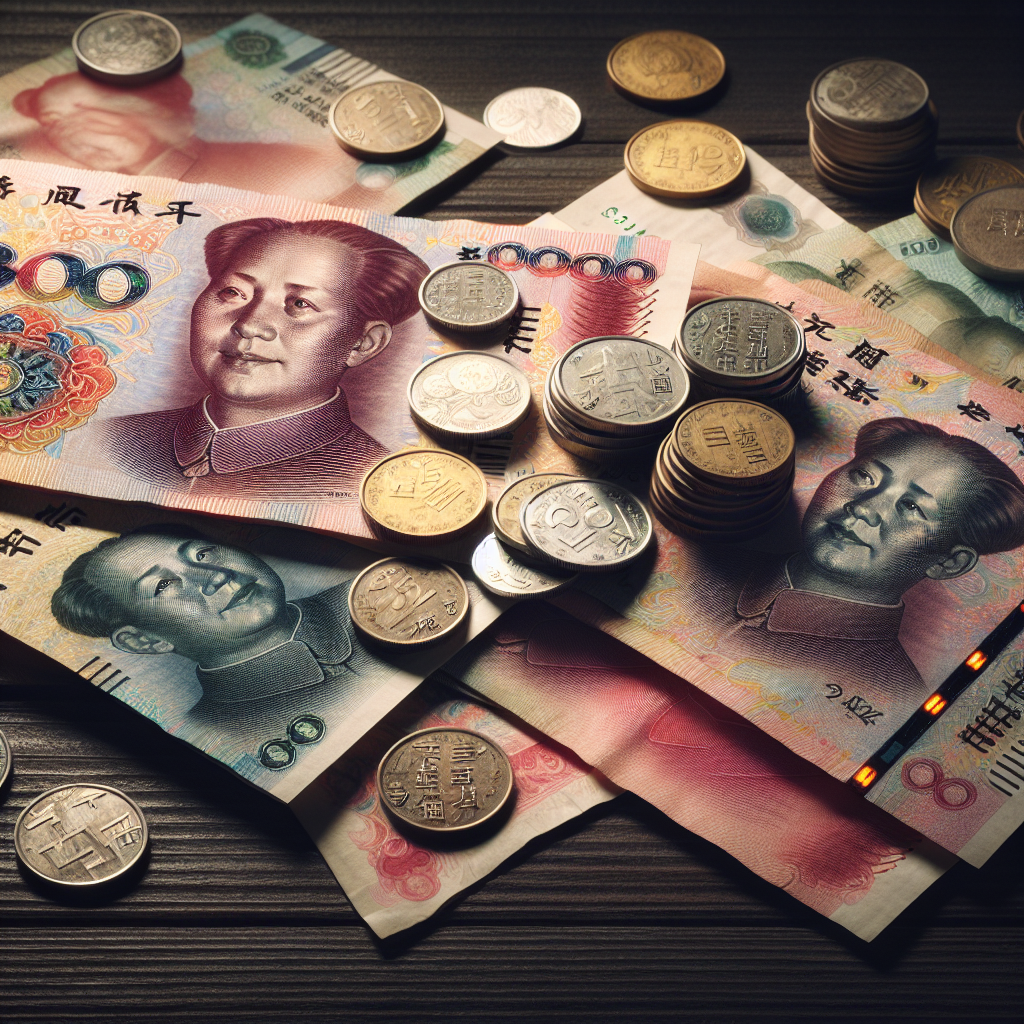
China's yuan has dropped to its weakest level against the U.S. dollar since the 2008 financial crisis. This downturn emerges as trade tensions between China and the U.S. continue to escalate, with tit-for-tat tariffs affecting economic relations.
President Donald Trump's recent fluctuation in tariff policies has added complexity. While easing duties for some nations, tariffs on Chinese imports have been hiked, heightening the economic standoff. A weaker yuan, though beneficial for exports, risks triggering capital flight, analysts warn.
The People's Bank of China has been deliberately weakening the yuan's midpoint, yet maintains a steady hand to prevent excessive currency depreciation. Despite the trade war’s impact on exports, economic stability remains the priority, according to Societe Generale economists.


 Google News