

Yuan Struggles Amidst U.S.-China Trade Turmoil
China's yuan hits a 19-month low against major trading partners amid escalating U.S.-China trade tensions. While the People's Bank of China aims to stabilize the yuan, the currency's depreciation raises concerns about increased capital outflows and economic instability. Future policy responses remain under scrutiny.
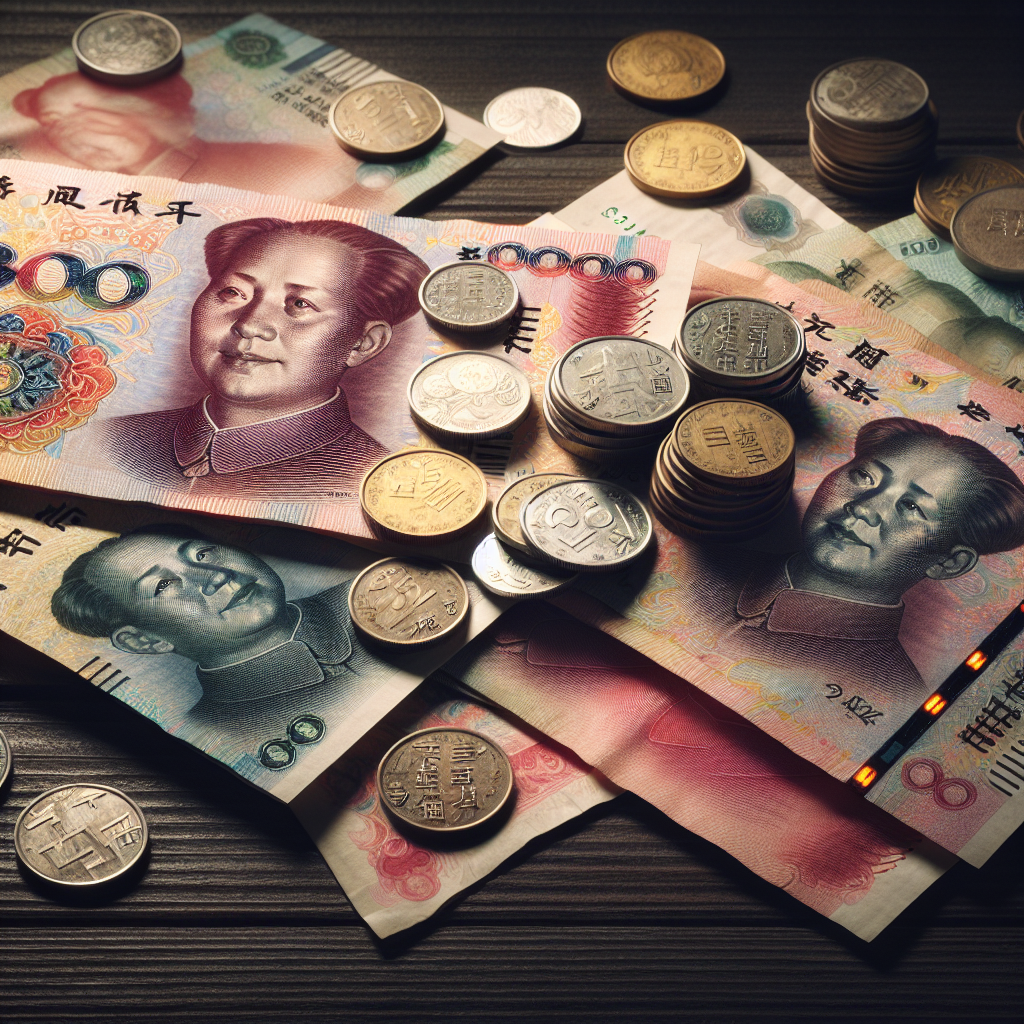
China's yuan, after touching a 2007 low against a weakening dollar, hit a 19-month low against currencies of major trading partners on Friday. The ongoing U.S.-China trade conflict shows little sign of resolution, exacerbating concerns over China's economic growth and market stability.
Despite a temporary tariff pause benefiting other nations, President Trump's increased duties on Chinese imports have strained financial markets. Analysts fear a sharp yuan depreciation may trigger undesirable capital flight and worsen economic conditions, prompting the People's Bank of China to enforce measures to curb the currency's decline.
Market focus now shifts to China's potential policy responses, including possible rate cuts and new fiscal strategies, as the nation gears up to release crucial economic data. Traders and economists alike are on edge, anticipating signs of government intervention in response to the escalating trade tensions and economic pressures.
ALSO READ
-
WTO Sets Up Panel on EU Carbon Border Rules as Russia Challenges Restrictions
-
WHO Brings Global Experts Together to Strengthen Herbal Medicine Quality and Safety
-
Human Cost of Faster Work: Chinese Employees Weigh AI’s Promise Against Pay Fears
-
China's August Disasters Yield $5.38 Billion in Losses
-
Trade War Chessboard: Agriculture, Energy, and Rare Earths in Focus


 Google News