

U.S.-China Tariffs: Navigating the Trade Talks
U.S. Treasury Secretary Scott Bessent asserts that reducing U.S.-China tariffs is crucial for successful trade negotiations, emphasizing mutual decreases. He challenges the notion of unilateral reductions and forecasts mid-2023 clarity on Trump's tariffs. Bessent downplays IMF's growth downgrade, citing potential future growth spurred by energy production.
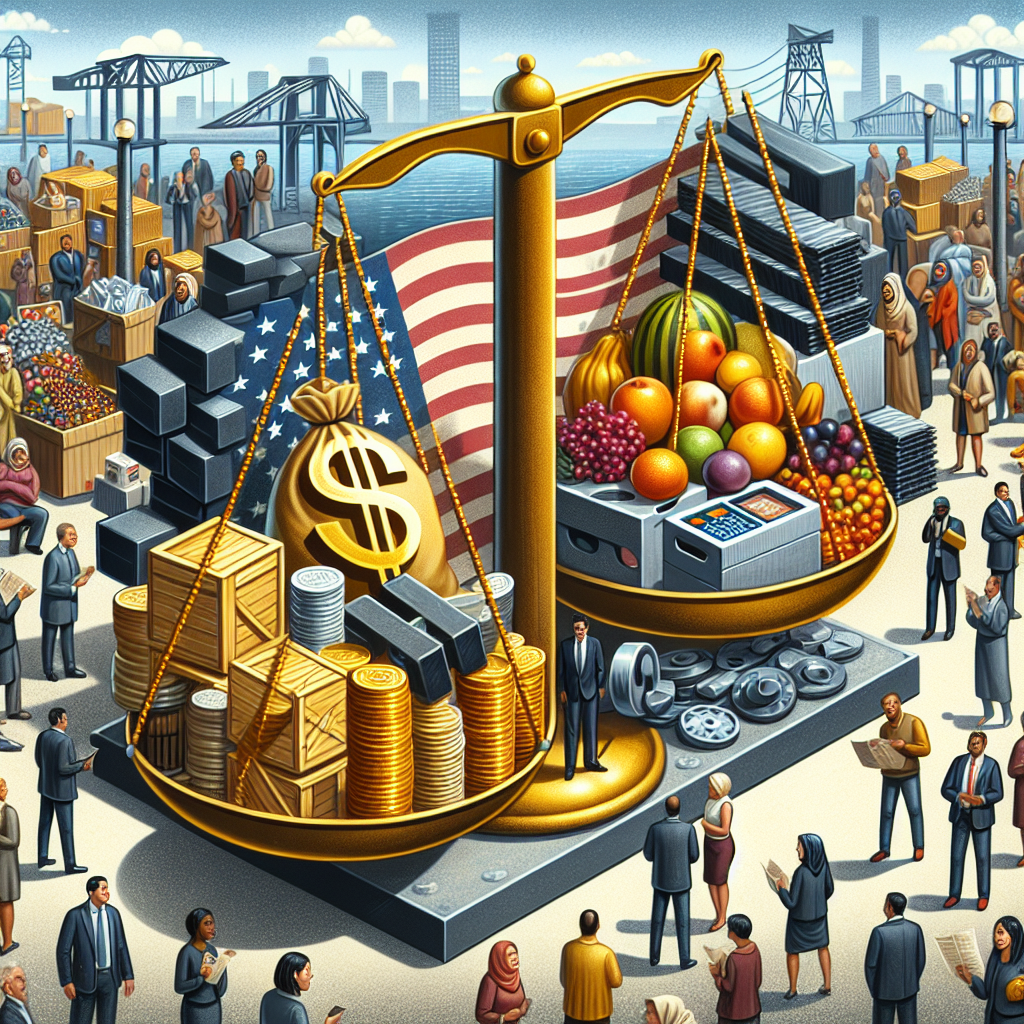
U.S. Treasury Secretary Scott Bessent highlighted the critical need for the U.S. and China to lower their tariffs to progress in trade talks. He spoke on the sidelines of significant financial meetings, emphasizing that excessive tariffs hinder the recalibration of trade relations between the two largest global economies.
Bessent touched upon the high tariff rates currently in place—145% from the U.S. on Chinese goods and vice versa from China. He pointed out that these levels are unsustainable and equate to an embargo, which is disadvantageous for both nations. Discussions around unilateral tariff reductions by the Trump administration were dismissed by Bessent, who favors mutual adjustments.
While the Wall Street Journal reported possible U.S. unilateral tariff cuts, Bessent expressed skepticism, asserting that any reductions should be mutual. He anticipates more clarity on the tariff situation by the third quarter, despite economic growth concerns raised by the IMF. Bessent remains optimistic about Trump's policies potentially boosting growth to 3%, primarily spurred by increased energy production.
ALSO READ
-
EU Firms Rethink Supply Chains as Geopolitical Risks Reshape Global Trade
-
Trade War Chessboard: Agriculture, Energy, and Rare Earths in Focus
-
American Leverage: Diplomatic Tug of War Over Yen Weakness
-
Trump and Xi Set for High-Stakes Summit: Trade, Taiwan, and Technology in Focus
-
US Tariff Announcement Delay Amidst Xi-Trump Summit


 Google News