

Feminist Journalism in Focus: Sushmita Preetha Calls for Justice and Protection for Women in Media
Adopted in 1995, the Beijing Declaration and Platform for Action set out 12 critical areas of concern for women’s empowerment, including “Women and the Media.”
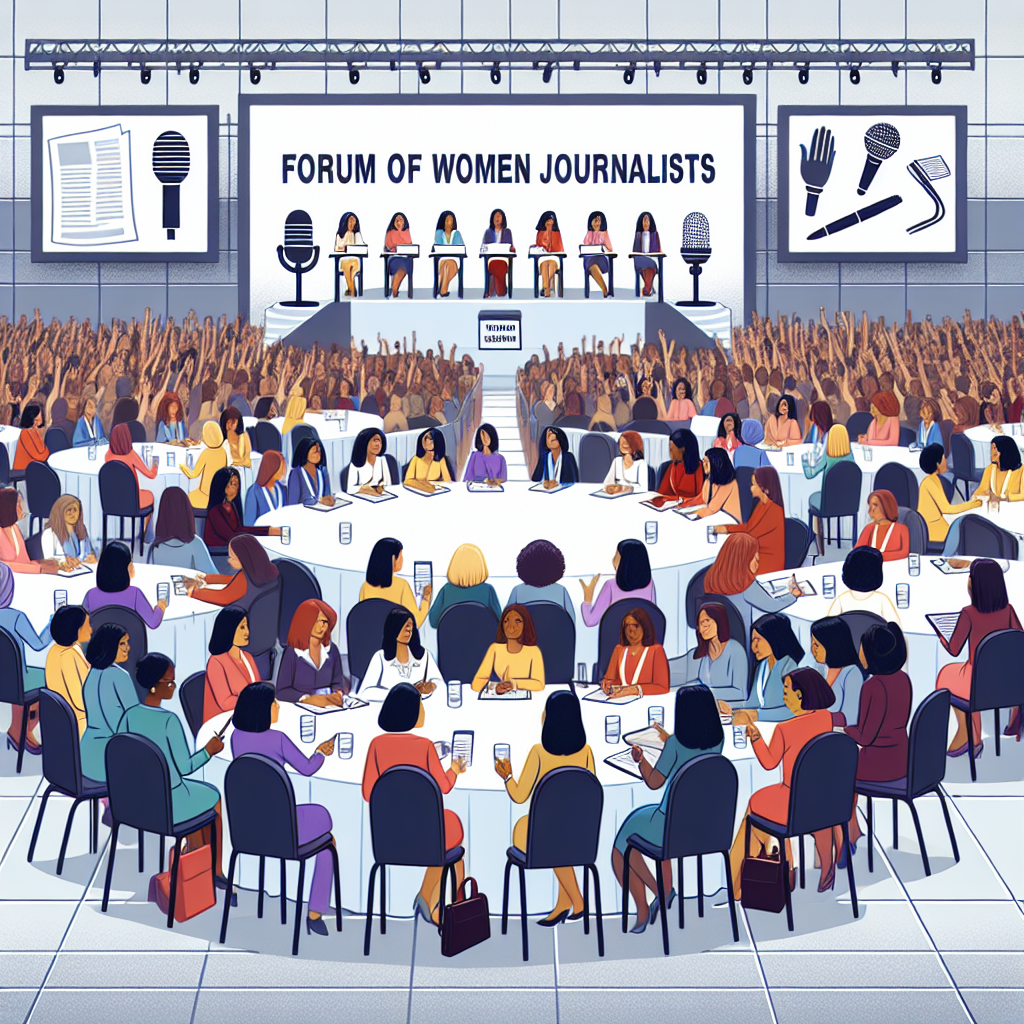
A 30-Year Legacy of Feminist Action and the Fight to Keep Women's Voices Alive
As the world marks the 30th anniversary of the Beijing Declaration and Platform for Action, a landmark blueprint for gender equality, women journalists are raising their voices louder than ever. Among them is Sushmita S. Preetha, a senior journalist from The Daily Star in Dhaka, Bangladesh. Her unwavering dedication to feminist resistance in journalism has made her a leading voice in the push to reclaim narrative power and demand systemic protection for women in media.
In November 2024, at the United Nations Asia-Pacific headquarters in Bangkok, Thailand, Preetha stood at the podium to deliver a powerful feminist media manifesto alongside other women journalists from across the region. The occasion: a high-level regional gathering assessing progress on the Beijing Declaration. The message: protect women journalists, ensure their safety online and offline, and create media workplaces that are inclusive, safe, and just.
The Daily Risks of Telling the Truth: Women Journalists Under Attack
The urgency of this call cannot be overstated. According to a global UNESCO survey involving 714 women journalists, 73% reported experiencing online violence, 25% had faced physical threats, and 13% had received threats directed at their children or loved ones. Such targeted abuse discourages women from staying in journalism, silences critical voices, and deprives the world of powerful, necessary stories.
Preetha emphasizes that this gender-based violence is structural, not accidental. "For women journalists, digital harassment is not just trolling – it's a structural violence designed to push us out of public life," she explains. The gendered nature of these attacks points to a larger societal effort to restrict women's influence, especially when they dare to speak truth to power.
Feminist Storytelling as a Political Act
Reflecting on her career, Preetha describes feminist journalism not just as reporting, but as an act of defiance. "Whose story gets told, and whose gets erased, has always been deeply political," she says. To her, journalism is about visibility – about making sure marginalized communities are not forgotten, and their struggles are neither ignored nor misrepresented.
Preetha champions a gender-sensitive approach to journalism. That means connecting the dots between acts of violence against women and the broader societal structures that enable them. It's about giving just as much attention to everyday injustices and subtle acts of resistance as to headline-grabbing crises.
This form of journalism demands that media not only reflect society but challenge it. "Journalism, for me, became a way to push back against the silence," Preetha says.
Structural Solutions for Systemic Problems
The demands put forward in the Asia-Pacific Feminist Media Manifesto are clear and actionable. These include:
-
Accountability from tech platforms to prevent, detect, and penalize online harassment.
-
Legal protections and psychological support from media employers for women facing abuse.
-
Contracts that reflect value: equal pay, job security, and acknowledgement of unpaid labor.
-
Flexible work arrangements and on-site childcare to support working mothers.
-
Newsroom cultures that value dissent and do not penalize women for being outspoken.
For media organizations that claim to support gender equality, these measures are not optional—they are essential.
Continuing the Work of the Beijing Declaration
Adopted in 1995, the Beijing Declaration and Platform for Action set out 12 critical areas of concern for women's empowerment, including "Women and the Media." Three decades later, the challenges persist—but so does the resistance.
The 2024 convening in Bangkok was both a celebration of progress and a sober reminder of the work still ahead. Journalists like Preetha are ensuring that women's voices are not just part of the conversation but are helping to shape the narrative.
As she looks to the future, Preetha remains committed to the core mission that brought her into journalism: truth-telling, justice, and radical empathy. In her words, "No one is better fit to tell the stories of this feminist resistance than women themselves."


 Google News