

Bangladesh’s Costly Nuclear Ambitions: The RNPP Dilemma
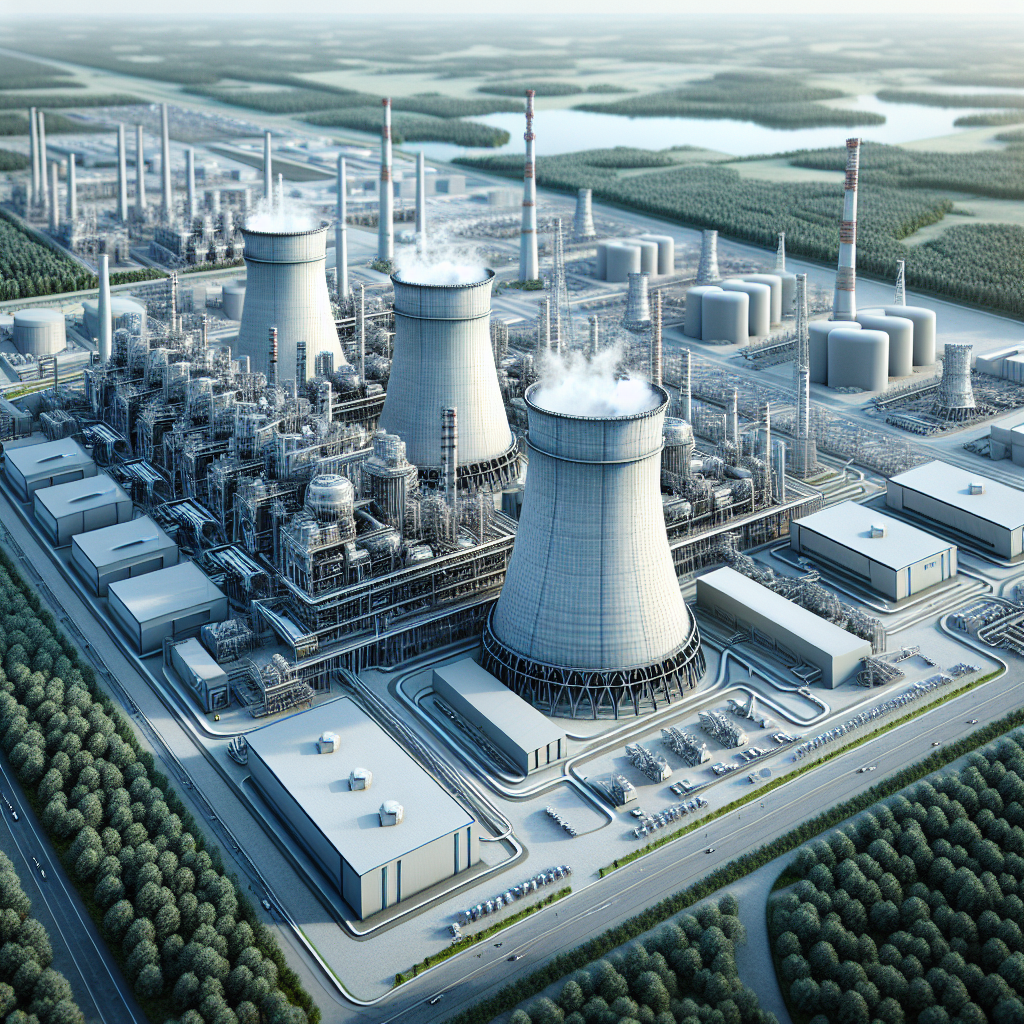
The Rooppur Nuclear Power Plant (RNPP) in Bangladesh is notably more expensive than similar projects due to a hefty loan from Russia. With the cost exceeding initial estimates, future electricity bills are expected to be high. Both construction complications and sanctions on Rosatom have further strained finances.
- Country:
- United States
After choosing a costly Russian loan over China for the Rooppur Nuclear Power Plant in 2016, Bangladesh now faces ballooning expenses estimated at $15.68 billion by 2023. Atomstroyexport, under Rosatom, made the ambitious offer, but ancillary costs and currency fluctuations worsened the financial burden.
Bangladeshi consumers may bear steep electricity prices for decades as upfront investments in the RNPP project overshadow operational economies. Originally pegged at Tk 5 per unit, contemporary expert analysis suggests a price hike considerably above Tk 8 per unit, exacerbated by FX market dynamics.
The impact of U.S. sanctions post-Ukraine invasion complicated loan repayments to Rosatom, with Bangladesh attempting varied repayment solutions without success. Additional infrastructure projects under Sheikh Hasina's tenure reflect a trend of escalating costs, marred by allegations of corruption and inefficiency.
ALSO READ
-
Bangladesh Secures $100m ADB Loan to Help 40,000 Families Build Safer Homes
-
ADB Backs Bangladesh’s Power Upgrade With $200M for Growing Dhaka Communities
-
Bangladesh’s Job Market at a Crossroads as Rapid Growth Fails to Deliver Enough Employment
-
Supreme Court Seeks Centre's Response on West Bengal Woman's Alleged Deportation
-
Energy Crisis Puts South Asia in the Dark


 Google News