

Trump's Beef Import Strategy Faces Backlash from US Ranchers
President Trump's proposal to reduce beef prices by increasing imports from Argentina encounters strong resistance from US ranchers. Experts doubt its effectiveness as Argentine beef constitutes a small portion of imports. The plan raises concerns among agricultural stakeholders about its impact on domestic ranching operations.
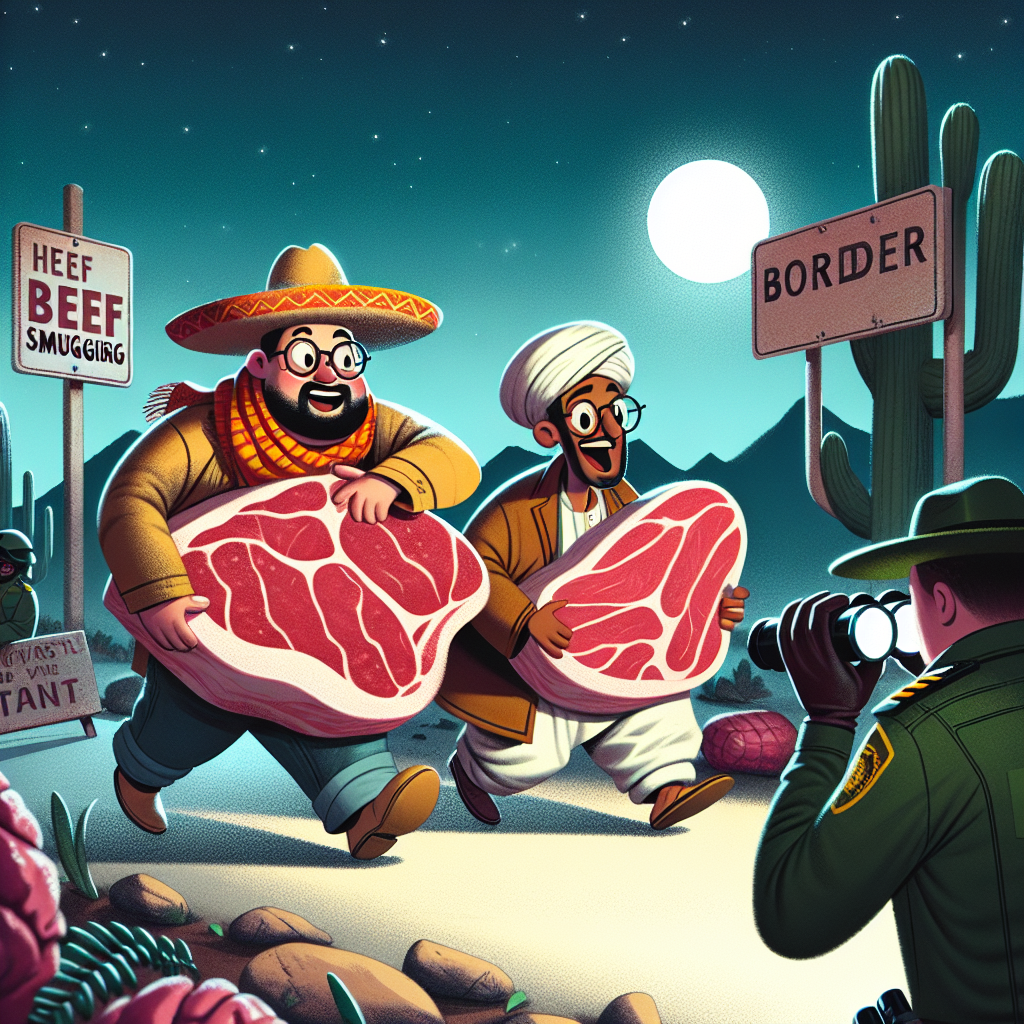
President Donald Trump's initiative to curb soaring beef prices by increasing imports from Argentina is sparking a significant backlash from US ranchers, who are experiencing profitable years. Critics argue that this plan is unlikely to reduce grocery store prices and could harm American ranchers and feedlot operators.
The National Cattlemen's Beef Association, alongside other farming groups typically supportive of the president, have voiced their opposition. They stress that Argentine beef makes up a mere 2% of US beef imports, meaning even a substantial increase would have minimal impact on prices. South Dakota rancher Brett Kenzy highlights a preference for consumer choice over government intervention in determining beef prices.
A multitude of factors have contributed to high beef prices, including strong demand and the smallest US cattle herd size since 1961 due to drought and low prices. Meanwhile, tariffs on Brazilian beef and import restrictions on Mexican beef have further limited supply. Kansas State University's agricultural economist Glynn Tonsor explains that Argentine beef can't compensate for these substantial import reductions.
ALSO READ
-
Lee Jae Myung's Diplomatic Milestones: Balancing Amidst Global Tensions
-
Diplomatic Moves: Takaichi's UN Meeting with Trump
-
Trade War Chessboard: Agriculture, Energy, and Rare Earths in Focus
-
High-Stakes Diplomatic Dance: Trump and Xi's Crucial Summit
-
Trump's Battle with the Airwaves: A Broadcast Controversy


 Google News