

France's Fiscal Dynamics: Balancing Support and Debts
French Prime Minister Sebastien Lecornu rejects using fiscal improvements to broadly support consumers amidst rising energy costs, opting for targeted, temporary aid instead. Despite opposition pressure, the government remains focused on cutting the budget deficit to align with European norms, prioritizing crucial sectors like farming and transport.
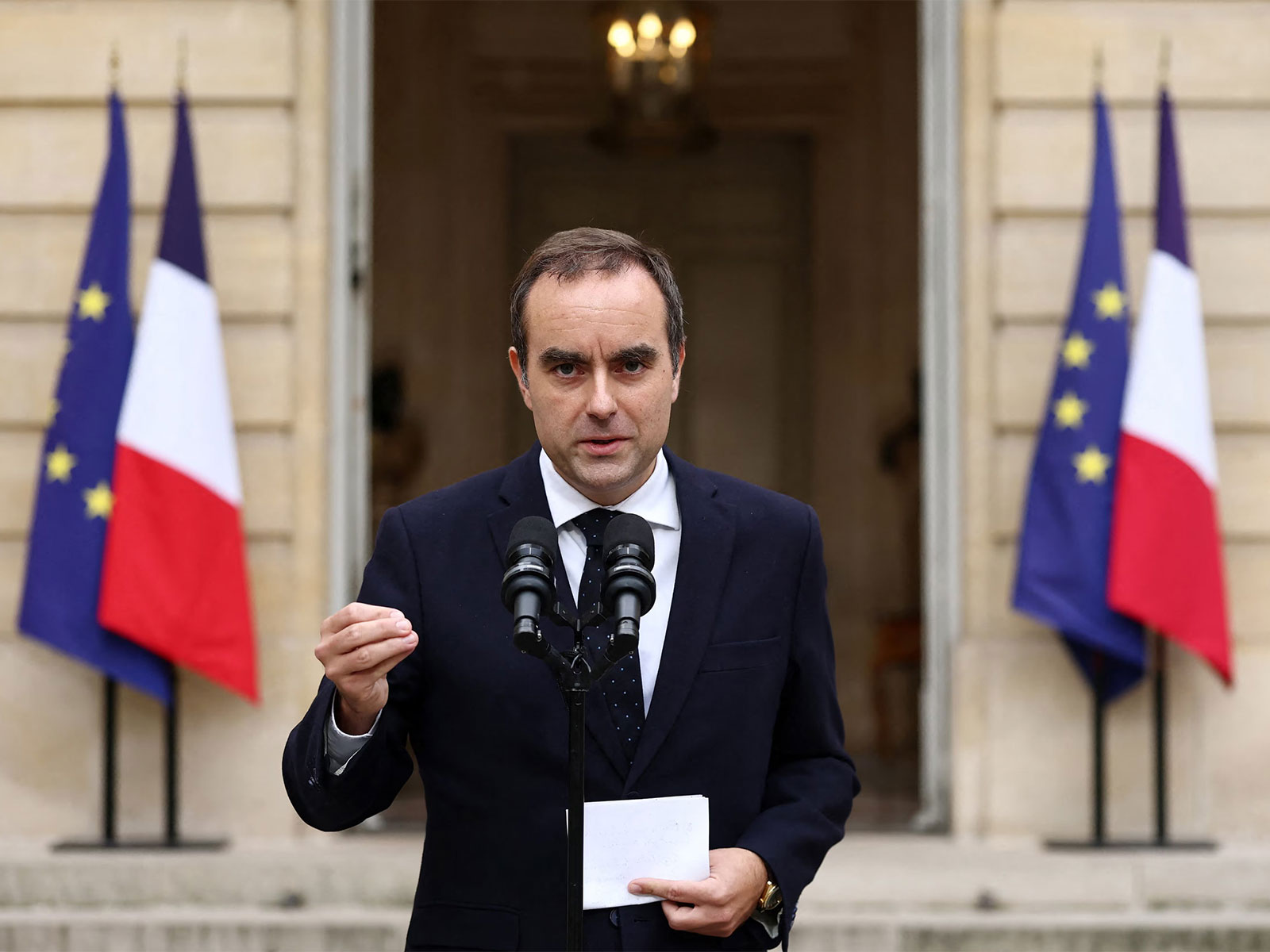
French Prime Minister Sebastien Lecornu has dismissed the possibility of leveraging fiscal improvements to offer widespread financial relief amidst escalating energy costs. The government's minority status faces increasing pressure from opposition parties advocating for fuel tax reductions and other measures as energy costs surge due to ongoing tensions with Iran.
The latest statistics from INSEE reveal a decline in France's fiscal deficit, now at 5.1% of GDP, outperforming previous forecasts. However, Lecornu insists there's no fiscal 'windfall' to capitalize on, emphasizing the country's 5.1% deficit. He stresses that support measures should be targeted at essential sectors and updated monthly.
The French government has announced its aid strategy, allocating €50 million to small transport firms, €14 million to farmers, and €5 million to the fishing industry. Budget Minister David Amiel assured that the costs would be offset by reductions elsewhere as part of a commitment to reduce the deficit to 5.0% this year, inching towards compliance with EU fiscal policies.


 Google News