

OPEC+ debates biggest-ever oil cut as virus destroys demand
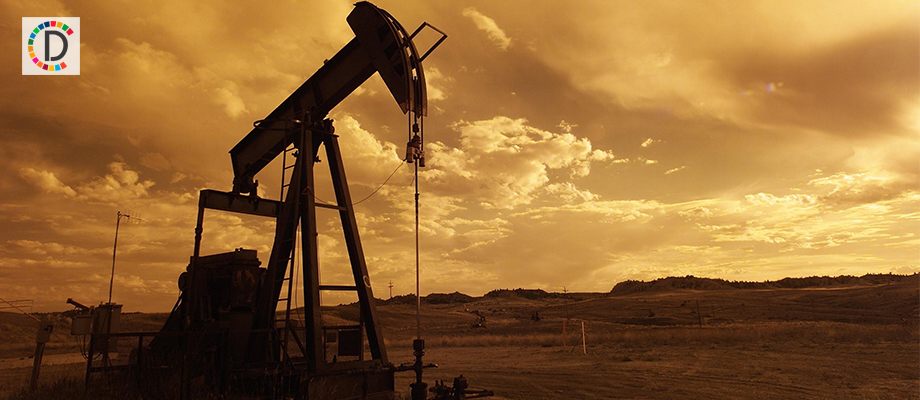
OPEC and its allies are working on a deal for an unprecedented oil production cut equivalent to around 10% of global supply, an OPEC source said, after the U.S. president called on producers to stop the market rout caused by the coronavirus pandemic. The meeting of OPEC and allies such as Russia has been scheduled for Monday, April 6, the Azeri energy ministry said, but details were still thin on the exact distribution of production cuts. No time has yet been set for the meeting, OPEC sources said.
Oil prices have fallen to around $20 per barrel from $65 at the start of the year as more than 3 billion people went into a lockdown because of the virus, reducing global oil demand by as much as a third or 30 million barrels per day. U.S. President Donald Trump said on Thursday he had spoken with both Russian leader Vladimir Putin and Saudi Crown Prince Mohammed bin Salman and they agreed to reduce supplies by 10-15 million bpd out of a total global supply of around 100 million bpd.
But the International Energy Agency warned on Friday that a cut of 10 million bpd would not be enough to counter the huge fall in oil demand. Such an output cut would still result in a 15 million bpd stock-build in the second quarter, said Fatih Birol, the head of the agency. Trump said he did not make any concessions to Saudi Arabia and Russia, such as agreeing to a U.S. domestic production cut - a move forbidden by U.S. antitrust legislation.
White House economic adviser Larry Kudlow said Trump will fight any international collusion in energy markets that would hurt U.S. producers, but that the administration cannot dictate to oil producers. "I think... oil companies, seeing a decline in price are going to pull back on production. That's just common sense," he said, adding that he sees no reason why Trump's talks with Saudi Arabia and Russia on oil will not "bear fruit".
Some U.S. officials have suggested U.S. production was set for a steep decline anyway because of low prices. "The U.S. needs to contribute from shale oil," an OPEC source said. Russia has long expressed frustration that its joint cuts with OPEC were only lending support to higher-cost U.S. shale producers.
A second OPEC source said any cut in excess of 10 million bpd must include producers from outside OPEC+, an alliance which includes OPEC members, Russia and other producers, but excludes oil nations such as the United States, Canada, Norway and Brazil. The second source added that OPEC+ was watching the outcome of a meeting between Trump and oil firms later on Friday and that a final figure on cuts depended on participation by all oil producers.
Canadian Prime Minister Justin Trudeau said he has had direct communication with OPEC and the United States, while the Norwegian oil and energy ministry declined to comment on Friday on whether Western Europe's largest producer could cut its oil output to help support prices. Jason Kenney, the premier of Alberta, Canada's primary oil-producing province, said on Thursday that Alberta was open to joining a production-cut deal.
Oil prices recovered from the lows of $20 per barrel this week with Brent trading near $33 per barrel on Friday, still less than half its $66 closing level at the end of 2019. CUTS OUT OF NECESSITY
Oil production cuts are poised to happen with or without OPEC and its allies as global oil storage levels are close to being full, meaning many producers would soon have no choice but to start shutting oil wells. The coronavirus has infected 1 million people worldwide and killed more than 53,000.
The immense decline in demand due to the pandemic sent crude prices to their lowest levels since 2002, hitting budgets of oil-producing nations and dealing a huge blow to the U.S. shale oil industry, which cannot compete at low prices. The downward pressure has been exacerbated by the battle for market share between Russia and Saudi Arabia.
Major global producers have already scaled back production as fuel demand has dropped precipitously and storage is rapidly filling. Brazilian state-run oil producer Petrobras has already cut output by 200,000 barrels per day, about 6 percent of its output, in response to what its chief executive called the "worse oil industry crisis in 100 years."
U.S.-based Chevron Corp and BP Plc recently said they would pump less oil from shale than previously targeted. The freefall in prices has spurred regulators in the U.S. state of Texas, the heart of the country's oil production, to consider regulating output for the first time in nearly 50 years, while producers in neighboring Oklahoma asked state regulators also to consider cuts.
Ryan Sitton, one of three elected oil-and-gas regulators in Texas, spoke with Russia's Novak about a cut of 10 million bpd in global supply. "This isn't good for anybody," Sitton told Reuters. "We're talking about a destabilization of the global energy market."


 Google News