

Health News Roundup: U.S. CDC expands use of bivalent COVID vaccines for kids as young as 6 months; Patient selection for AstraZeneca, Daiichi breast cancer drug needs improvement, experts say and more
Although the government on Wednesday loosened key parts of its strict "zero-COVID" policy that has kept the pandemic largely at bay for the past three years, many people appear wary of being too quick to shake off the shackles. China's capital swings from anger over zero-COVID to coping with infections Beijing's COVID-19 gloom deepened on Sunday with many shops and other businesses closed, and an expert warned of many thousands of new coronavirus cases as anger over China's previous COVID policies gave way to worry about coping with infection.
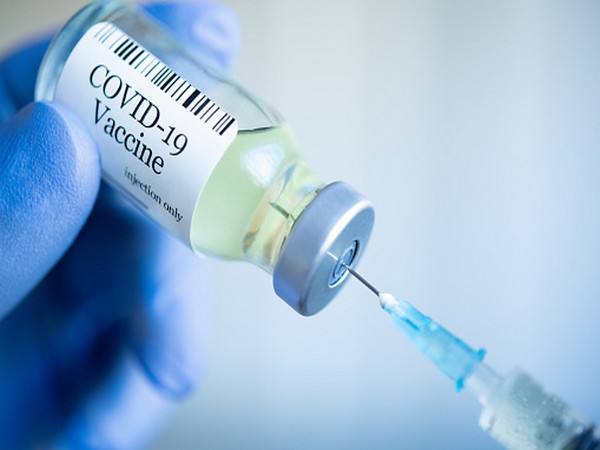
Following is a summary of current health news briefs.
U.S. CDC expands use of bivalent COVID vaccines for kids as young as 6 months
The U.S. Centers for Disease Control and Prevention (CDC) on Friday expanded the use of COVID-19 vaccines that target both the original coronavirus and Omicron sub-variants to include children aged 6 months through 5 years. The development comes a day after the U.S. Food and Drug Administration authorized the updated shots from Moderna as well as Pfizer and its partner BioNTech for use in children as young as 6 months.
Patient selection for AstraZeneca, Daiichi breast cancer drug needs improvement, experts say
The rush to use AstraZeneca and Daiichi-Sankyo's drug Enhertu to treat certain types of breast cancer has far outpaced doctors' ability to determine with certainty which patients might benefit, experts said this week at a meeting of breast cancer doctors. Enhertu, which won U.S. approval in late 2019, is used in patients with advanced breast, gastric and lung cancers whose tumor cells carry a protein called HER2.
'It's dead out here': China's slow exit from zero-COVID
Judging by Friday's quiet streets in China's capital Beijing and the reluctance of some businesses to drop COVID curbs, enduring anxieties about the coronavirus are likely to hamper a speedy return to health for the world's second-largest economy. Although the government on Wednesday loosened key parts of its strict "zero-COVID" policy that has kept the pandemic largely at bay for the past three years, many people appear wary of being too quick to shake off the shackles.
China's capital swings from anger over zero-COVID to coping with infections
Beijing's COVID-19 gloom deepened on Sunday with many shops and other businesses closed, and an expert warned of many thousands of new coronavirus cases as anger over China's previous COVID policies gave way to worry about coping with infection. China dropped most of its strict COVID curbs on Wednesday after unprecedented protests against them last month, but cities that were already battling with their most severe outbreaks, like Beijing, saw a sharp decrease in economic activity after rules such as regular testing were scrapped.
China's healthcare system put to the test as COVID curbs fade
When Li tested positive for COVID-19 on Tuesday in Baoding in northern China, he braced for a five-day quarantine at a makeshift local hospital as part of the country's strict pandemic controls. Instead, China the next day abruptly relaxed the policy that has made the world's most-populous country an outlier in a world largely learning to live with COVID.
China to allow German expats to use German COVID-19 vaccines
The Chinese foreign ministry said China and Germany had reached an agreement on providing "German vaccines" to German nationals in China, after the German Chancellor recently said that BioNTech's COVID-19 vaccine would be used by German expatriates. Relevant arrangements will be discussed and determined by the two sides through diplomatic channels, Mao Ning, a spokeswoman at the Chinese foreign ministry told reporters on Friday at a regular press conference.
Some bloodstream infection bacteria grew resistant to last-resort drugs in 2020 - WHO
Increased drug resistance in bacteria causing bloodstream infections, including against last-resort antibiotics, was seen in the first year of the coronavirus pandemic, a World Health Organization report based on data from 87 countries in 2020 showed. The overuse and/or misuse of antibiotics has helped microbes to become resistant to many treatments, while the pipeline of replacement therapies in development is alarmingly sparse.
White House doctors urge Americans to get updated COVID boosters
Top U.S. health officials on Friday urged Americans to get COVID-19 vaccine boosters if eligible to help ward off infections during the holiday season. Speaking at a virtual town hall, White House COVID-19 Response Coordinator Dr. Ashish Jha suggested people who had been infected with COVID in September or earlier consider getting an anti-Omicron booster shot.
Juul agrees to pay $1.2 billion in youth-vaping settlement - Bloomberg News
Juul Labs Inc has agreed to pay $1.2 billion to resolve about 10,000 lawsuits targeting the e-cigarette maker as a major cause of a U.S. youth-vaping epidemic, Bloomberg News reported on Friday, citing people familiar with the matter. Last week, Juul said it had settlements with about 10,000 plaintiffs covering more than 5,000 cases in California. The company chose not to disclose the settlement amount as part of the court process in the federal multi-district litigation.
China tackles medical supply snags, price gouging amid COVID fears
China said on Saturday it would stop checking truck drivers and ship crew transporting goods domestically for COVID-19, removing a key bottleneck from its supply chain network as a dismantling of the country's zero-COVID policy gathers speed. The country this week made a dramatic pivot toward economic reopening, loosening key parts of the COVID policy in a shift that has been welcomed by a weary public but also is now stoking concerns that infections could spike and cause further disruptions.


 Google News