

New Hope for Mitochondrial Disease Families through IVF Technique
Mitochondrial disease affects cellular energy production, causing various severe health issues. Though there's no cure, mitochondrial donation, an IVF-based procedure, now offers hope for preventing the disease in future generations. Researchers in Australia are preparing clinical trials to ensure its safety and efficacy.
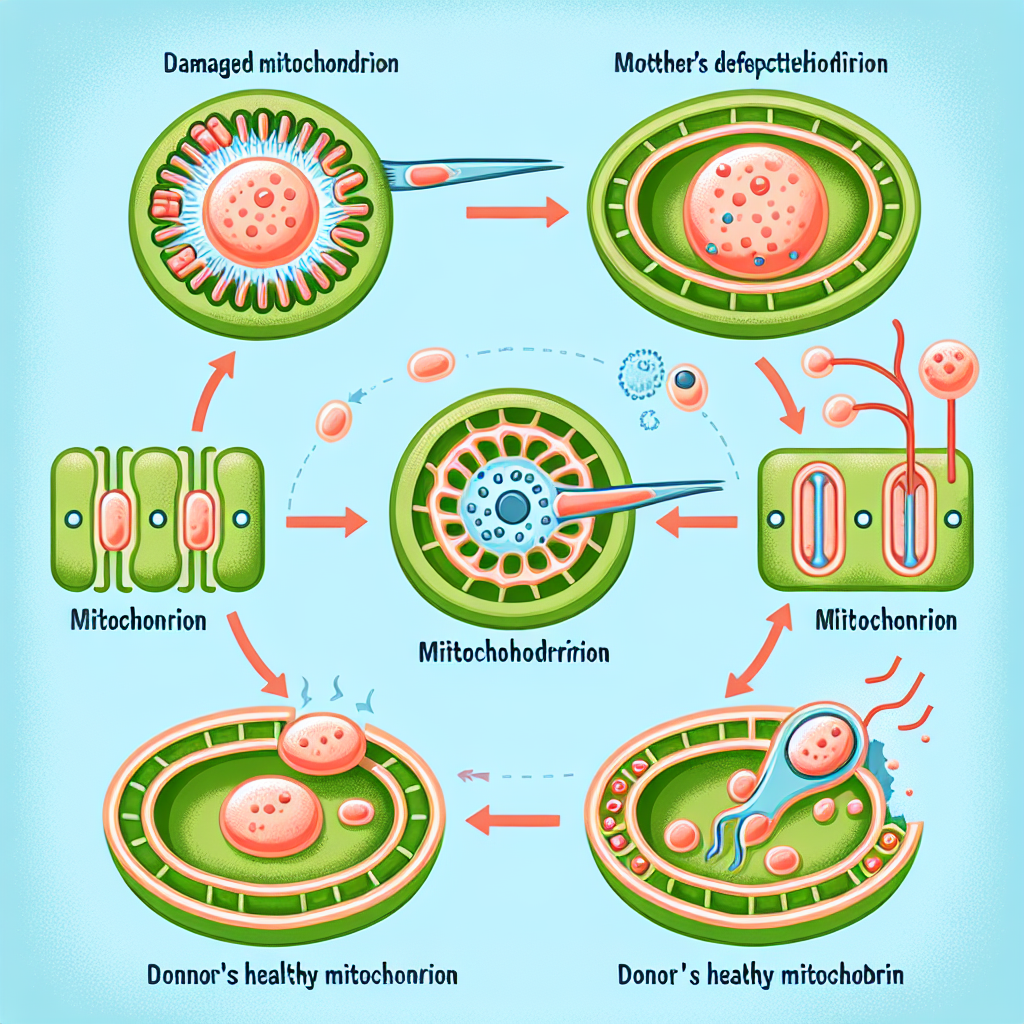
Mitochondrial disease severely impacts the ability of cells to generate energy, leading to various forms of organ dysfunction and failure. Affecting one in every 5,000 individuals, the disease manifests with symptoms ranging from mild to severe, often putting a strain on families. With no current cure, a breakthrough IVF-based technique known as mitochondrial donation is raising new hopes.
Mitochondrial donation involves transferring nuclear DNA from a mother's egg carrying faulty mitochondrial DNA into a healthy donor egg, thereby preventing the transmission of the disease to the offspring. This innovative technique has already been legalized in Australia under Maeve’s Law, passed in 2022, with clinical trials set to commence soon to assess its safety and effectiveness.
Despite challenges in sourcing donor eggs, researchers are optimistic. Data indicates that many people with stored eggs are willing to donate them for research. Fresh eggs will be needed for future clinical trials, and participants may include willing friends and relatives or altruistic volunteers. The focus now is on obtaining necessary licenses and ethical approvals to start the clinical trials within the next 12 to 18 months.


 Google News