

Health Department Urges Vigilance, Not Panic Despite Rising Rubella Cases in SA
Rubella spreads through respiratory droplets when an infected person coughs or sneezes, making schools and crowded areas hotspots for transmission.
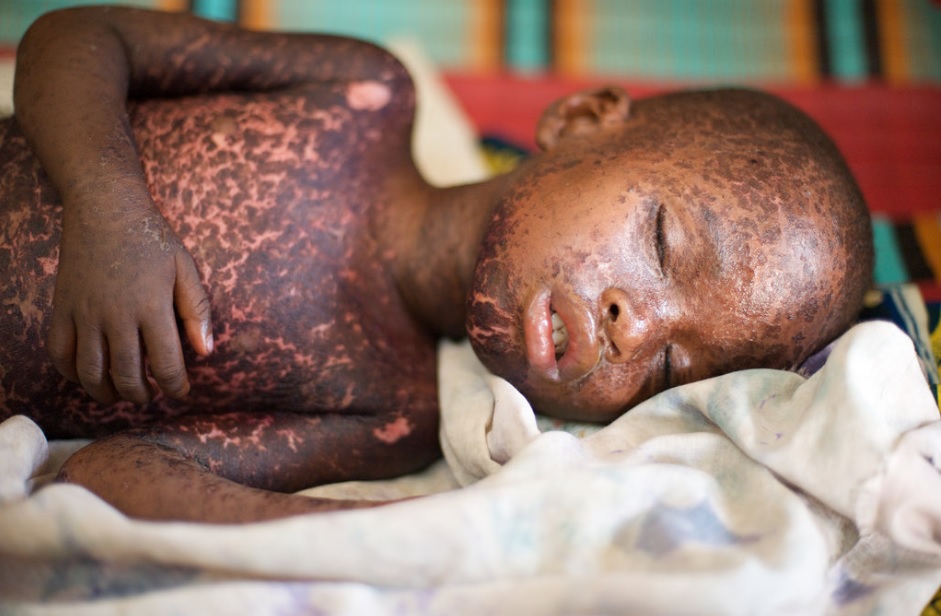
- Country:
- South Africa
The National Department of Health has assured the public that there is no need for panic despite the sharp rise in rubella cases across South Africa. Citizens are encouraged to seek medical attention immediately if they or their loved ones exhibit symptoms of the disease.
The National Institute for Communicable Diseases (NICD) reported a significant increase in laboratory-confirmed rubella cases, with 10,137 positive cases recorded from January to November 2024—a notable rise compared to 2023.
- Most cases were detected in Gauteng (2,603) and the Western Cape (1,338).
- Other provinces reporting high numbers include KwaZulu-Natal (1,996) and the Eastern Cape (1,113).
- Over 90% of cases involve children under the age of 15, with over 8,300 cases recorded in this age group.
Rubella Overview and Risks
Rubella, also known as German measles, is a highly contagious but vaccine-preventable disease. While mild and self-limiting in most children, it remains a public health concern due to its potential for rapid transmission and the severe risks it poses to certain groups, including:
- Pregnant women – Rubella infection during the first trimester can lead to Congenital Rubella Syndrome (CRS), causing birth defects such as hearing loss, heart defects, or developmental delays in unborn children.
- Children – Although generally mild, unvaccinated children are highly susceptible to infection.
Rubella spreads through respiratory droplets when an infected person coughs or sneezes, making schools and crowded areas hotspots for transmission.
Common Symptoms
Parents and caregivers are urged to monitor children for symptoms, which typically appear 2–3 weeks after exposure. Symptoms include:
- Rash
- Fever
- Sore throat
- Headache
- Cough and runny nose
- Swollen lymph nodes in the neck
- Nausea
Response Measures
To manage the outbreak, the Department of Health is:
- Enhancing vaccination campaigns to ensure children are protected against rubella.
- Keeping public healthcare facilities accessible throughout the festive season to provide treatment and testing.
- Increasing awareness campaigns to educate communities about the disease and its risks.
The department emphasized that rubella can be effectively prevented through vaccination. Children without prior vaccination or exposure to rubella remain at high risk.
Health Department's Message
"There is no need for panic," stated the department, "but we urge members of the public to seek immediate medical attention for suspected rubella symptoms. Early detection, effective treatment, and isolation are key to preventing further transmission."
Nationwide Vigilance
With public health facilities operational over the festive season, the Department of Health reassures South Africans of their commitment to controlling the outbreak. Parents, caregivers, and pregnant women are especially advised to remain vigilant and act swiftly if symptoms are noticed.
By adhering to these guidelines and ensuring vaccination, the department aims to curb the spread of rubella and protect vulnerable populations.


 Google News