

Managing Pet Diabetes: Early Intervention and Care for Feline and Canine Health
Diabetes in pets often leads to euthanasia, but it is manageable, with remission possible in cats. Early diagnosis and treatment are crucial. Owners must look for signs like increased thirst and urination. Insulin therapy, dietary changes, and regular glucose monitoring are vital for managing the disease effectively.
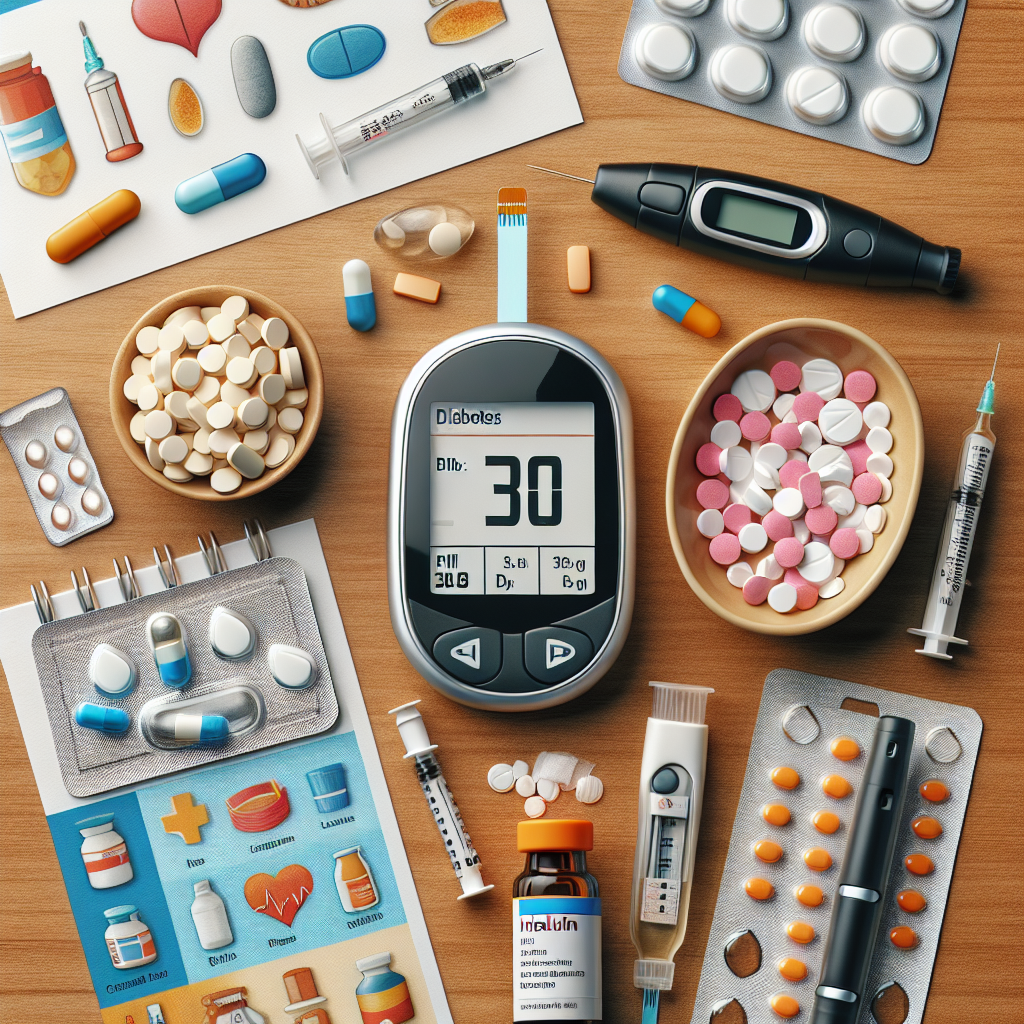
In Queensland, pet owners often face the daunting diagnosis of diabetes in their cats and dogs. The condition, prevalent in about 1.5% of dogs and 0.5-1% of cats, can severely impact pets' and owners' lives, leading to a significant euthanasia rate. However, with proper management, pets can enjoy a good quality of life.
Early intervention is crucial. In cats, early treatment can lead to remission, while for dogs, it's a lifelong management challenge. Recognizing the signs, such as increased thirst and urination or changes in appetite, is essential for timely diagnosis and treatment, including insulin therapy and dietary adjustments.
Advancements in home glucose monitoring and diligent weight management aid in the ongoing care of diabetic pets. These measures, combined with regular vet check-ups, offer hope for pet owners, reducing the burden of the disease and improving the prospects of a healthy, fulfilling life for their companions.


 Google News