

Embracing the Global EAT-Lancet Diet: A Step Towards Sustainable Health
The EAT-Lancet diet proposes a sustainable, plant-based eating model aimed at achieving global health and environmental goals. Research suggests adopting this diet could reduce cultivated land by 40% and irrigation water use by 80% but increase food costs by 4.5%. Challenges include adjusting trade flows and global dietary habits.
- Country:
- India
A recent study has highlighted the potential benefits of globally adopting the EAT-Lancet diet, a sustainable eating model designed to promote health and environmental equity. This could result in a significant reduction in agricultural land use and water consumption for irrigation, despite a slight increase in food costs.
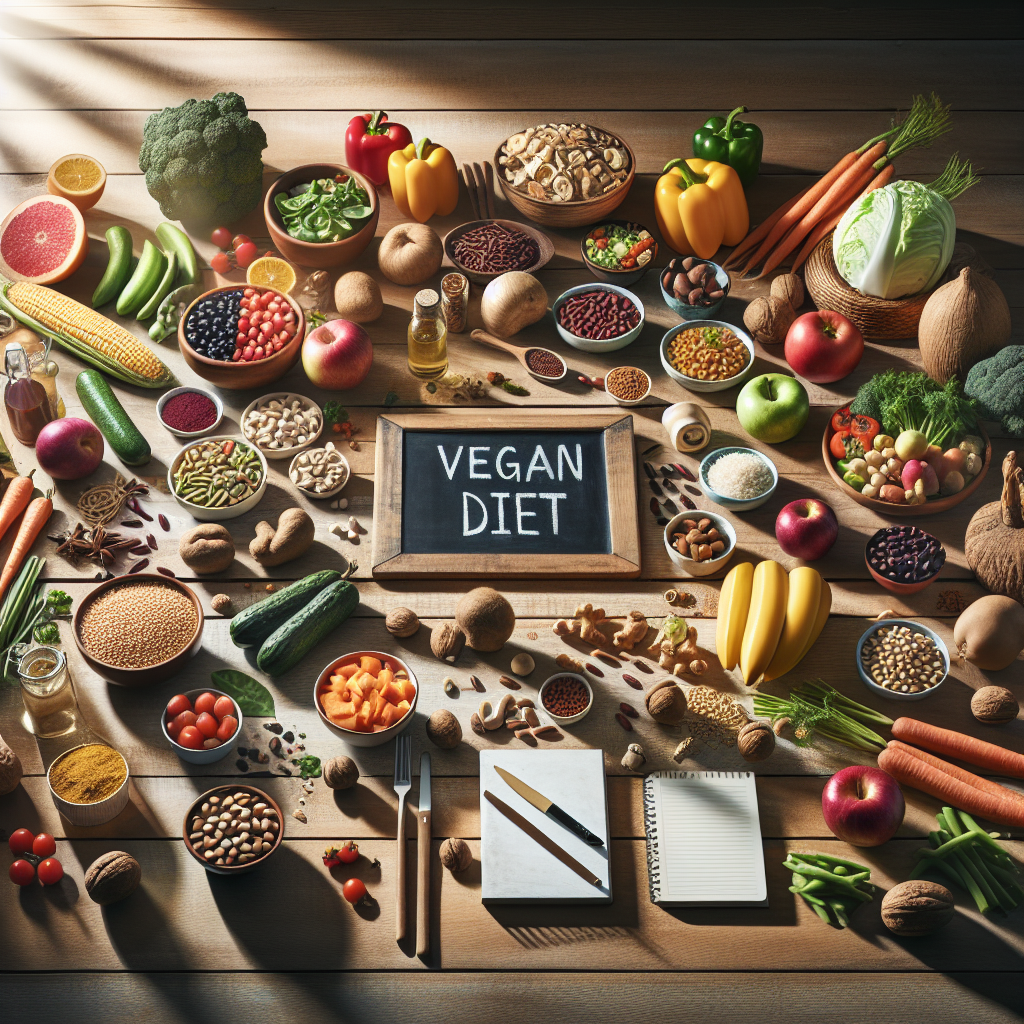
The EAT-Lancet Commission, in January 2019, introduced this diet as a scientifically backed universal reference. Predominantly plant-based, it includes whole grains, fruits, vegetables, nuts, legumes, and limited seafood, poultry, and meat, aligning with the UN Sustainable Development Goals and Paris Agreement objectives.
The study by Politecnico di Milano researchers suggests that adopting this diet globally would necessitate increased international food trade. The findings, published in Nature Sustainability, reveal potential benefits and adjustments needed for successful implementation, offering a roadmap for global dietary transformation.


 Google News