

Disruptions in Health: US Aid Freeze, Rising Measles, and Big Pharma Moves
Current health briefs highlight significant disruptions: US aid freeze affects HIV and malaria supply chains, FDA postpones rare disease events, and a leap in Texas measles cases. Meanwhile, Mirum Pharma's drug gets FDA approval, Eli Lilly invests in a weight-loss pill, and Pfizer halts a hemophilia gene therapy.
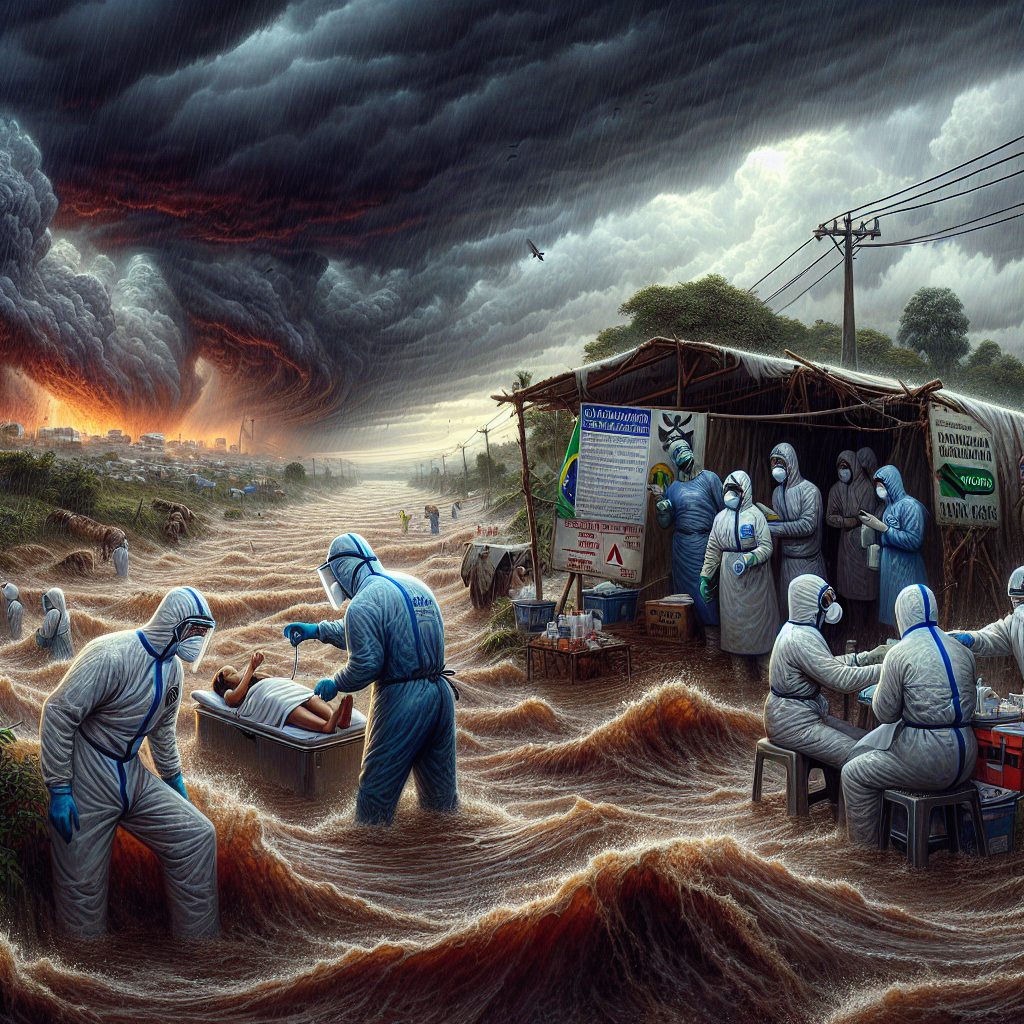
The global health landscape is facing significant disruptions, as a U.S. government foreign aid freeze impacts supply chains for HIV and malaria products. Products critical for battling diseases in impoverished regions experience life-threatening shortages, potentially persisting for months according to industry insiders.
Simultaneously, the FDA has delayed its rare diseases meeting and approved Mirum Pharmaceuticals' new genetic disorder treatment. In a further twist, Eli Lilly prepares to launch its weight-loss pill by stockpiling $550 million in inventory, even before completing its trial testing.
Troubling health outbreaks persist with the CDC reporting a five-fold spike in U.S. measles cases, mainly due to a growing Texas outbreak. On a corporate note, Pfizer is ceasing marketing for its hemophilia gene therapy due to low demand. Meanwhile, U.S. retail prices of eggs soar due to bird flu disturbances.


 Google News