

WHO Warns Measles Cases Surge Despite 88% Drop in Deaths Since 2000
Between 2000 and 2024, global immunization efforts led to an 88% reduction in measles deaths, saving nearly 59 million lives.
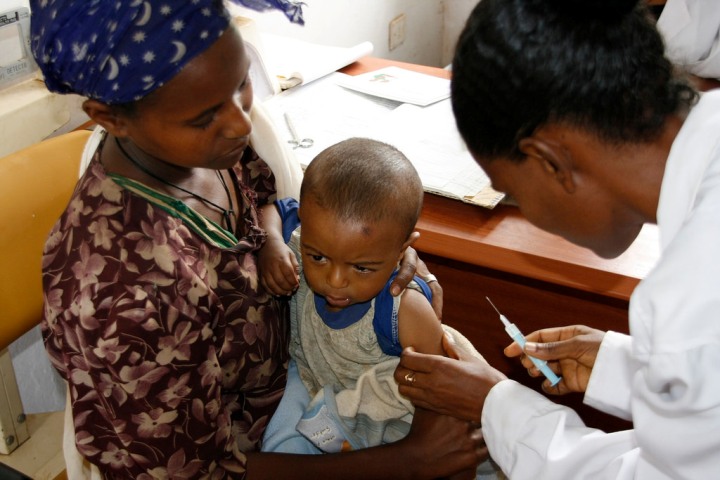
A major new report released by the World Health Organization (WHO) highlights a troubling paradox in the global fight against measles: while deaths from the disease have fallen dramatically over the past two decades, infections are once again surging worldwide. The findings underscore deep vulnerabilities in global immunization systems and reveal widening immunity gaps that threaten progress toward measles elimination.
A Global Health Success Story at Risk
Between 2000 and 2024, global immunization efforts led to an 88% reduction in measles deaths, saving nearly 59 million lives. These gains represent one of the greatest achievements of modern public health, driven by expanded vaccination campaigns, strengthened surveillance, and coordinated global action.
Yet in 2024 alone, an estimated 95,000 people—mostly children under age 5—died from measles, a preventable disease with a highly effective, low-cost vaccine. Although this marks one of the lowest death tolls recorded in the 21st century, WHO stresses that every measles death is one too many.
The greater concern now lies in the rapid rise of infections. WHO estimates 11 million measles cases occurred in 2024—nearly 800,000 more than in 2019, the year before the COVID-19 pandemic disrupted health systems worldwide.
"Measles is the world's most contagious virus," said WHO Director-General Dr Tedros Adhanom Ghebreyesus. "These data show, once again, that measles will exploit any gap in our collective defences. When every child is vaccinated, outbreaks can be prevented and lives can be saved."
Sharp Increases Across Multiple Regions
The resurgence is uneven across regions:
-
Eastern Mediterranean Region: cases rose 86% compared with 2019
-
European Region: up 47%
-
South-East Asia Region: up 42%
Notably, the African Region saw a 40% decline in cases and 50% decline in deaths, driven partly by strengthened routine immunization.
But even in regions where children are less likely to die due to stronger health systems, measles can cause devastating, lifelong health complications including:
-
Blindness
-
Pneumonia
-
Encephalitis (brain inflammation)
-
Severe immune suppression lasting weeks after infection
The disease's resurgence reflects gaps in vaccination rather than changes in the virus itself.
Immunization Coverage Still Too Low
WHO and UNICEF estimates show that in 2024:
-
84% of children received their first measles vaccine dose
-
76% received the second dose
This represents modest progress from the previous year, with 2 million additional children immunized. But the numbers still fall far short of the 95% coverage required with two doses to achieve herd immunity and prevent outbreaks.
More than 30 million children remained under-protected in 2024. Three-quarters live in:
-
Conflict-affected regions
-
Fragile states
-
Humanitarian settings
These environments experience severe barriers to routine immunization, including population displacement, disrupted services, insecurity, and lack of cold-chain capacity.
Immunization Agenda 2030 at a Critical Juncture
The newly released Immunization Agenda 2030 (IA2030) Mid-Term Review warns that measles is often the first disease to re-emerge when vaccination coverage declines. The recent rise in cases reveals critical weaknesses in immunization systems globally, jeopardizing IA2030 targets—including measles elimination.
The report cites:
-
Insufficient routine immunization
-
Growing vaccine hesitancy
-
Funding gaps
-
Fragile health systems
-
Disruptions from conflict and climate crises
These vulnerabilities leave millions of children exposed.
Outbreaks Nearly Triple Since 2021
The global epidemiological picture continues to worsen:
-
In 2024, 59 countries reported large or disruptive outbreaks
-
This is nearly three times the number during 2021
-
All regions except the Americas saw at least one major outbreak in 2024
-
By 2025, numerous countries in the Americas are once again battling outbreaks
Enhanced surveillance—powered by the Global Measles and Rubella Laboratory Network (GMRLN)—helped identify outbreaks earlier. In 2024, more than 760 laboratories tested over 500,000 samples, a 27% increase from 2023.
However, deep funding cuts threaten the sustainability of GMRLN and national immunization programmes. WHO warns that without stable and predictable financing, immunity gaps will grow, especially in the poorest countries.
Progress Toward Elimination: Gains and Setbacks
By the end of 2024:
-
81 countries (42%) had achieved measles elimination
-
Only three new countries were added to the list post-pandemic
But significant progress has emerged in 2025:
-
Several Pacific island countries and territories were verified measles-free in September 2025
-
Cabo Verde, Mauritius, and Seychelles became the first African countries to achieve verification this month
This brings the total number of countries that have eliminated measles to 96 globally.
However, success remains fragile. The Region of the Americas, the only WHO region ever to regain elimination status (in 2024), lost its status again in November 2025 due to ongoing transmission in Canada.
The resurgence—even in high-income regions—demonstrates that measles anywhere is a threat everywhere, and that national averages can mask dangerous pockets of low coverage.
The Path Forward: Urgent Action Needed
To stop the global backslide and achieve measles elimination, WHO calls for decisive political and financial commitments. Countries must ensure:
-
Universal coverage of two measles vaccine doses
-
Strengthened routine immunization systems
-
Rapid outbreak detection through robust surveillance
-
High-quality, high-coverage catch-up campaigns
-
Increased domestic investment in immunization
-
Protection of immunization budgets from austerity or crisis-related cuts
The IA2030 Mid-Term Review warns that without urgent action, measles will continue to cause avoidable deaths and undermine broader global health goals.
"Measles is preventable. A world free of measles is achievable," WHO stressed. "But only if every child—no matter where they live—receives the life-saving protection of vaccination."


 Google News