

WHO Issues New Global Guideline for Mercury-Free Dental Care
Dental caries, commonly known as tooth decay, is the most widespread noncommunicable disease globally, affecting an estimated 2.7 billion people.
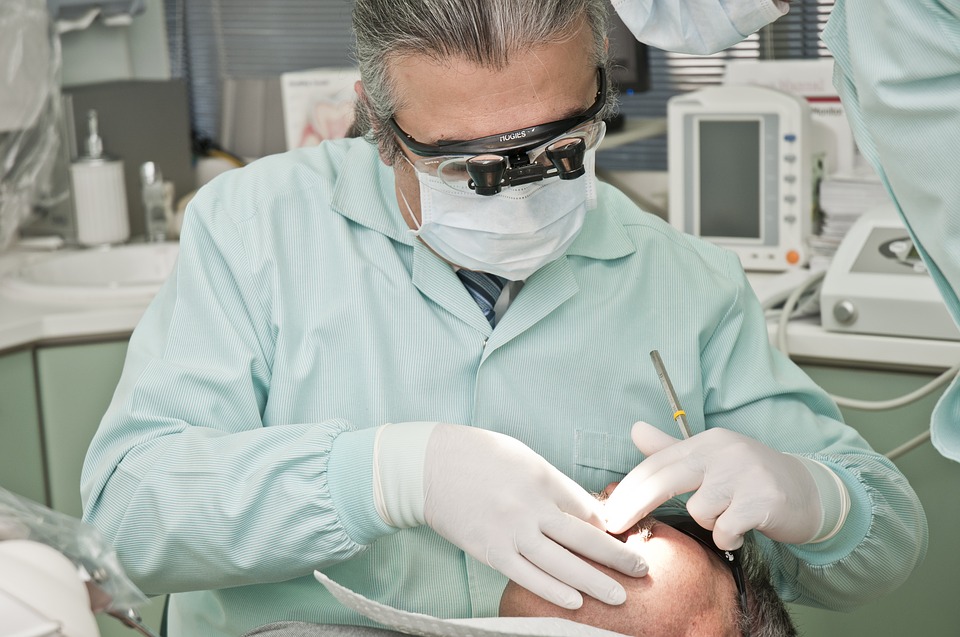
The World Health Organization (WHO) has released a new global guideline promoting environmentally friendly and less invasive approaches to prevent and manage dental caries, marking a major shift in oral health care toward safer and mercury-free treatments.
The guideline, titled Environmentally Friendly and Less Invasive Oral Health Care for Preventing and Managing Dental Caries, provides evidence-based recommendations to help countries expand safe, effective and sustainable dental care while reducing environmental harm.
Tackling the World's Most Common Disease
Dental caries, commonly known as tooth decay, is the most widespread noncommunicable disease globally, affecting an estimated 2.7 billion people.
The condition often begins in early childhood and disproportionately affects underserved and low-income populations.
Historically, treatment has relied heavily on dental amalgam fillings, which contain mercury and pose risks to both human health and the environment.
The new WHO guideline promotes mercury-free alternatives and preventive care, supporting global commitments to phase out mercury under the Minamata Convention on Mercury.
"This guideline represents a landmark in global oral health," said Dr Benoit Varenne, WHO Dental Officer.
"For the first time, countries have strong evidence showing that safe and less invasive interventions with mercury-free products can effectively prevent, stop and manage dental caries."
Supporting Global Health and Environmental Goals
The recommendations are aligned with several major international initiatives, including:
-
The WHO Global Oral Health Action Plan 2023–2030
-
The Minamata Convention on Mercury
-
The Bangkok Declaration – No Health Without Oral Health
Together, these initiatives aim to ensure that essential oral health services become part of universal health coverage.
WHO officials say integrating preventive and minimally invasive dental care into primary health care systems will be essential to improving access worldwide.
"Oral health care must evolve to support planetary health," said Dévora Kestel, Acting Director of WHO's Department of Noncommunicable Diseases and Mental Health.
"By promoting mercury-free products and less invasive procedures, this guideline strengthens environmental protection and universal access to safe oral health care."
Eight Key Recommendations
The guideline includes eight recommendations and two best-practice statements, supported by systematic reviews examining clinical effectiveness, toxicology, cost-effectiveness and environmental impact.
Key measures include:
Preventive care
-
Strong recommendation for fluoride varnish as a population-wide preventive intervention
-
Pit and fissure sealants for children at high risk of tooth decay
Non-invasive treatments
-
Fluoride varnish for early caries lesions
-
Silver diamine fluoride twice annually to stop moderate caries progression
Mercury-free restorations
-
Use of glass ionomer cements
-
Resin-based composite fillings as alternatives to dental amalgam
Safety and environmental protection
-
Protocols for safe handling of dental materials
-
Limits on bisphenol A (BPA) derivatives for children, adolescents and pregnant or breastfeeding women
Guidance for Governments and Health Systems
The guideline also provides practical recommendations for governments, health ministries, professional bodies and frontline health workers.
Key actions include:
-
Integrating mercury-free dental products into national policies
-
Updating clinical training and dental curricula
-
Improving waste management and sustainable procurement in dental services
-
Expanding access to dental care through community and primary health systems
Research Gaps and Future Innovation
WHO also identified several areas requiring further research, including:
-
Long-term effectiveness of new dental materials
-
Environmental impacts of mercury-free alternatives
-
Occupational exposure risks for dental professionals
The organization called for stronger global collaboration to advance innovation in sustainable oral health care.
Health experts say the new guideline represents a major step toward making oral health care safer, more accessible and environmentally responsible worldwide.


 Google News