

China Joins Southeast Asian Nuclear Ban Amid Trade Tensions
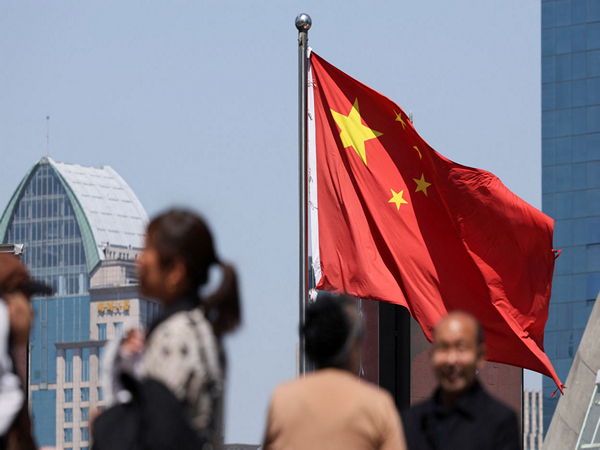
China has committed to signing the Southeast Asian Nuclear Weapon-Free Zone treaty during the ASEAN Foreign Ministers' Meeting, amid escalating global security tensions and impending US tariffs on the region. The treaty, active since 1997, aims to ensure nuclear activity in the region remains peaceful.
- Country:
- Malaysia
In a significant diplomatic gesture, China has agreed to sign the Southeast Asian Nuclear Weapon-Free Zone (SEANWFZ) treaty, a pledge celebrated by regional diplomats amidst escalating global security concerns. This commitment was confirmed during the ASEAN Foreign Ministers’ Meeting in Kuala Lumpur, where Malaysia's Foreign Minister Mohamad Hasan announced Beijing's intention to sign the treaty, pending the completion of required documentation.
The treaty, established in 1997, restricts nuclear activities in the Southeast Asian region to peaceful purposes, such as energy generation. ASEAN has consistently urged the five recognized nuclear powers, including China, to endorse the agreement, thus maintaining the region’s non-nuclear status across its economic zones and continental shelves.
Meanwhile, US Secretary of State Marco Rubio's visit to Kuala Lumpur is overshadowed by President Donald Trump’s aggressive tariff strategy, which imposes hefty tariffs on ASEAN countries starting August 1. These developments have prompted ASEAN nations to explore stronger trade ties with alternative partners, notably China, amid a backdrop of intensifying global diplomatic maneuvers.
ALSO READ
-
Thailand’s $750 Million Nature Bond Puts Biodiversity at the Heart of Public Finance
-
ADB Backs Indonesia With $650 Million to Expand Markets and Safer Digital Finance
-
ILO Report Reveals How to Bring Social Security Within Reach of Informal Workers
-
Carbon Capture Could Cut Solar Power Waste and Battery Needs Across ASEAN
-
WTO Sets Up Panel on EU Carbon Border Rules as Russia Challenges Restrictions


 Google News